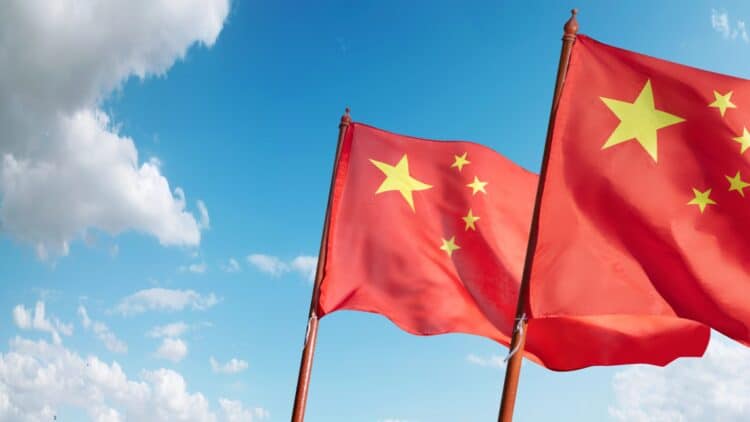
The European Commission has begun drafting a strategy to cut the EU’s dependency on China for supplier-critical raw materials, to be finalized in early 2026. The strategy will contain plans to diversify the EU’s sourcing, increase EU production, and expand the EU’s recycling capabilities to ensure the EU’s industrial future. The Commission’s proposals have been driven by growing concerns regarding geopolitical tensions and supply chain security.
Critical raw materials are on the line
They are essential in the production of certain technologies, including batteries, semiconductors, electric vehicles, and wind turbines. China unarguably and overwhelmingly dominates the global supply chains for these materials, controlling 90% of rare earth processing.
This concentration came to the attention of those making policy in the capitals of the European Union after Beijing placed certain rare earth exports under restrictions, citing claims of national security.
Some EU policymakers have positioned these restrictions as creating barriers to trade. This has sparked claims that the bloc will be unable to fulfil the commitments of the green deal, as well as carry out trade in cutting-edge products and technology.
The strategy ahead
The forthcoming strategy will revolve around three pillars:
- Diversification of Supply Chains: The EU aims to reinforce its relationships with South American, African, and Australian countries that possess valuable resources. Long-term contracts that sustain access to lithium and other rare minerals and sustainable mining practices are being negotiated.
- Increasing Domestic Production and Processing: New investments are to be made in the extraction of raw materials in European member countries like Portugal and Sweden, and in the building of the EU’s new refineries. EU funds will also go toward sponsors of research that seek to develop less reliant processing technologies in order to shift the imbalance toward China for refining.
- The Circular Economy and Recycling: The EU Commission wants to increase the recycling of batteries and electronic waste to retrieve lost metals. The EU wants to be able to recycle enough secondary rare earth materials to supply up to 20% of its rare earth needs to relieve stress on primary supply chains by 2030.
The strategy is likely to affect the automotive industry and all related sectors. The wind turbine and electric vehicle manufacturers have warned of the high cost and reduced production that supply disruptions would bring. To keep steady on the desired climate target, the EU has to secure new supply sources to keep production unhindered and prices in check.
Industries such as steel and chemicals are also expected to improve from having more resource security
Analysts are forecasting that more investments will accumulate within European mining and new technologies that reduce the need to use certain materials.
It will be a struggle to become more independent of China. Finding alternative possibilities also takes time and more money. China is also becoming increasingly more competitive with Critical Minerals. China, the United States, and Japan are all working with the same diversifying strategy.
The Commission has a strategy, and it is in line with the Critical Raw Materials Act, the act that Europe implemented. It also aims to help Europe become more independent with important technologies such as batteries and semiconductors.
The ongoing geopolitical tensions, along with the demand for critical minerals, are key to understanding the EU’s new message as to which economic factors possess the greatest fundamental importance: resource security as a cornerstone of economic resilience. The EU is expected to present its first official roadmap towards the new industrial strategy in Brussels in the first quarter of 2026. This will mark the starting point in the revision of Europe’s industrial prospects in conditions of global resource competition.