
Automotive
Our Automotive section delivers authoritative coverage of the dynamic forces reshaping mobility—from electric vehicle rollouts and autonomous driving regulations to supply chain disruptions and high-profile safety recalls. We analyze market trends, legislative changes, and technological innovations—such as connected-car platforms and next-generation charging infrastructure—through concise, investigative reports. Stay informed on the strategic developments and emerging solutions steering the future of transportation.

Lexus to debut eighth-generation ES in Europe next spring with expanded electrified lineup
Lexus has launched what is the most radical change ever brought about in a car in the ES sedan series...
Read moreDetails
Hyundai’s 2026 Palisade debuts with major redesign and new hybrid powertrain option
The Korean automaker has now unveiled the redesigned 2026 model of its leading three-row SUV, the Palisade. The latest model...
Read moreDetails
Nissan’s 2026 Sentra debuts with strong value proposition starting at $22,400
The automaker has rolled out its all-new 2026 Sentra, marking the ninth generation of such a widely popular model. The...
Read moreDetails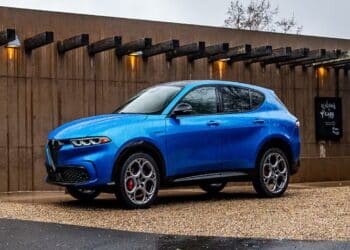
Alfa Romeo updates 2026 Tonale with refreshed design and drops plug-in hybrid variant
Alfa Romeo is set to roll out drastic updates to the 2026 Tonale, giving it sportier and more aggressive looks...
Read moreDetails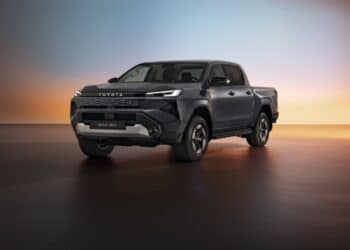
Toyota confirms all-electric HiLux model debuting in 2026
Toyota has only just revealed one of the most revolutionary things to ever happen in pickup trucks, announcing that for...
Read moreDetails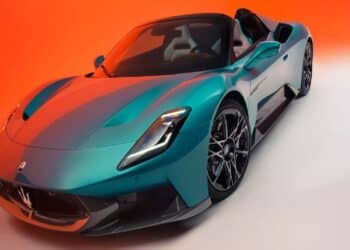
Maserati unveils 2026 MCPura supercar, redefining performance for the modern era
The 2026 MCPura is one such masterpiece unveiled by Maserati that is ready to turn this segment on its head...
Read moreDetails
Nissan–Mercedes joint venture to wind down by May 2026 as market shifts
The auto industry is bracing for another earth-shaking transition as two of the world's largest players (Nissan and Mercedes) are...
Read moreDetails
Chery Tiggo 9 comes under review following its recent market introduction
Chery is a manufacturing corporation that has carved out its own unique lane and maintained consistency in producing vehicles that...
Read moreDetails
Nissan Leaf third-generation EV enters production in the UK
Nissan, one of the most recognizable car brands of all time, is increasingly diversifying its portfolio and competing in different...
Read moreDetails
Trade tensions set stage for major tariff battles in 2026 auto market
The auto industry has been facing the most difficult times in light of rising trade tensions approaching 2026. The auto...
Read moreDetails
MG rolls out the updated Hector facelift, scheduled to arrive in showrooms in mid-December 2025
MG is one of the numerous car brands that have connections to multiple countries, which is a massive advantage in...
Read moreDetails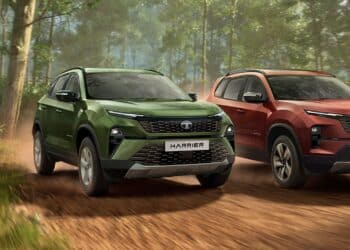
Tata introduces petrol-powered versions of the Harrier and Safari, with market launch set for December 2025
The automotive industry is experiencing something new, which is fostered by the limitless and endless technological innovation. Companies are more...
Read moreDetails
Smart unveils the #6 plug-in hybrid sedan in early December 2025
Smart Automobile is one of the most intriguing upcoming companies in the automotive space, which has managed to capture the...
Read moreDetails
Nissan prepares to unveil a new B-segment MPV derived from the Renault Triber
Nissan, a reputable vehicle manufacturer based in Japan, is the center of attention once again following its recent announcement regarding...
Read moreDetails
Perodua to debut the QV-E electric SUV with a scheduled launch in December 2025
In an environment where electric vehicles are taking over, every car brand wants a piece of the pie. It is...
Read moreDetails
China’s Changan will produce Avatr and Nevo in Europe within the next two years
China has once again expressed its firm intention to have a long reign as the leading country when it comes...
Read moreDetails
Toyota debuts the completely redesigned sixth-generation RAV4 in Japan
Toyota is one of the standout corporations in the now congested automotive industry. The Japanese company has remarkably withstood the...
Read moreDetails
Mini opens preorders for the Cooper convertible ahead of its December 2025 release
Mini is a premium, entry-level luxury automotive brand that offers its customers a considerably wide range of options to choose...
Read moreDetails
Kia outlines major redesign and feature upgrades for the 2026 Seltos
As 2025 is coming to an end, many businesses are already looking ahead and strategically planning ways to improve in...
Read moreDetails
Tata reveals the new Sierra SUV as customer reservations begin today
The automotive industry is fascinating for corporations to be a part of right now, considering the constant competition fostered by...
Read moreDetails
Ford and Renault forge partnership to produce low-cost electric cars and vans for the European market
The automotive industry is more competitive and saturated than ever before because all countries have increased access to the modern...
Read moreDetails
German car dealers expect new-vehicle registrations to post modest growth in 2026, says VDIK
Germany is reportedly the third-largest vehicle-producing country in the world, falling behind the USA and China. This makes the country’s...
Read moreDetails
Mercedes-Benz reveals first preview images of its upcoming G-Class Cabriolet
Mercedes-Benz is a corporation that has mastered the art of maintaining relevance, regardless of the era of vehicles society is...
Read moreDetails
EU postpones key automotive rules, creating fresh doubts about the 2035 phase-out of CO₂-emitting vehicles
CO₂-emitting vehicles have long presented a challenge for the automotive industry to overcome by reducing carbon emissions. The dominance of...
Read moreDetails
Tesla introduces a budget-friendly Model 3 version for the European market
Contrary to popular belief, Tesla was not the first corporation to launch electric vehicles, but it significantly advanced the range...
Read moreDetails
Toyota updates the bZ4X with a longer range, upgraded battery, and enhanced comfort features
Toyota is a corporation that has existed since 1937 and, according to numerous reports, is the largest car manufacturer in...
Read moreDetails
Toyota unveils its new flagship performance model, the GR GT, in full
Toyota is one of the most noteworthy car brands in the world. It has managed to maintain relevancy from the...
Read moreDetails
Tesla Model Y selected as worst car in German study
Tesla is a corporation that took the world by storm when it was first introduced. It is undoubtedly among the...
Read moreDetails
Nissan unveils all-new Micra EV ahead of its European market rollout
Nissan has just dropped a bombshell that is about to shake up the European compact car market forever. The legendary...
Read moreDetails
Zeekr enters the German market with the rollout of three electric vehicle models
China is one of the leading countries in the automotive industry and continues to rank among the most significant annual...
Read moreDetails
Hyundai Motor Group unveils new flagship battery hub to accelerate next-generation EV technology development
Hyundai Motor Group has been a prominent figure in the manufacturing of conventional vehicles with an internal combustion engine, but...
Read moreDetails
EU car sales rise 1.4% year-to-date, with electric vehicles reaching a 16.4% market share
At present, the automobile market in the European region has witnessed a paradigm shift of historical dimensions, having significant influences...
Read moreDetails
BMW introduces 2026 Z4 Final Edition as the roadster line nears its end
BMW just dropped the curtain on one of its most beloved sports cars, and it's hitting harder than expected. The...
Read moreDetails
Hyundai unveils CRATER concept globally at AutoMobility LA 2025
Hyundai Motor America has recently revealed the CRATER concept car at the AutoMobility LA 2025 event. This event marks the...
Read moreDetails
Polestar introduces its first bidirectional charging package for customers
Polestar introduced its very first bi-directional charging product offering, a major step forward for electric car development. The company is...
Read moreDetails
Genesis launches next-generation lineup, signaling a new chapter in luxury performance
Genesis has revealed its “Luxury High Performance” vision, and it indeed promises an uncompromising decade in the days to come...
Read moreDetails
Hyundai Inster wins Germany’s Golden Steering Wheel for best car under €25,000
Hyundai’s all-electric Inster won the prestigious “Golden Steering Wheel” award in the “Vehicles under €25,000” category in Germany. This is...
Read moreDetails
Hyundai’s high-performance Ioniq 6 N makes North American debut at AutoMobility LA
The South Korean automaker Hyundai launched the Ioniq 6 N, an electric vehicle meant for high-performance driving. This car was...
Read moreDetails
Hyundai previews new “Crater Concept” ahead of its AutoMobility LA 2025 debut
Hyundai has unveiled concept sketches of its new "Crater Concept," which is an aggressive and rugged show vehicle specifically designed...
Read moreDetails
Hyundai’s all-electric Inster and upcoming Ioniq 9 set to anchor Europe’s 2025 EV launches
Hyundai is making its presence felt as a major leader within the electric car market, offering in Europe through its...
Read moreDetails
Bentley unveils new Continental GT Supersports
The legendary nameplate Supersports returns after a gap of seven years, and this is the most extreme variant of the...
Read moreDetails
Porsche to unveil fully electric Cayenne at global debut on November 19, 2025
Porsche's most anticipated SUV launch in over two decades is just days away from making automotive history. The German luxury...
Read moreDetails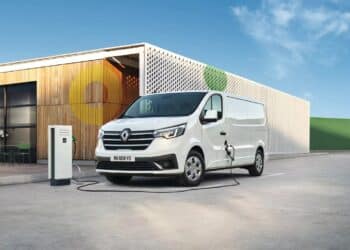
Renault debuts the new Trafic Van E-Tech Electric on November 18
Renault rolled out its long-awaited Trafic Van E-Tech Electric at the 2025 installment of the Solutrans trade fair, which took...
Read moreDetails
Hyundai unveils the all-new Venue and Venue N Line in global premiere
Hyundai Motor India Limited has officially launched the all-new Venue and Venue N Line, marking a significant milestone in the...
Read moreDetails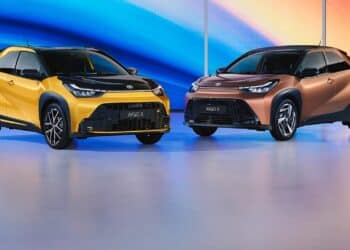
Toyota begins European production of the new Aygo X Hybrid
Toyota Motor Europe has begun mass production of this revolutionary new model, called the Aygo X Hybrid, at its manufacturing...
Read moreDetails
Opel rolls out new Mokka GSE variant on November 5, 2025
The Mokka GSE is the strongest electric vehicle that has ever been produced by Opel, and its launch has taken...
Read moreDetails
Kia previews next-generation 2027 Telluride ahead of upcoming U.S. world premiere
Kia has unveiled its highly anticipated second-generation Telluride SUV, marking a significant evolution in the brand's flagship three-row vehicle design....
Read moreDetails
Toyota Sienna tops U.S. new car sales rankings for November 2025
The American automotive landscape has witnessed a remarkable shift that's catching industry experts by surprise. Toyota's family-friendly minivan has emerged...
Read moreDetails
Volkswagen to co-develop proprietary autonomous driving chip in China through new joint venture
German automotive giant Volkswagen has announced a groundbreaking partnership that could reshape its competitive position in the world's largest car...
Read moreDetails
Opel debuts new “Mokka GSE,” rounding out its compact crossover lineup
German automaker Opel recently unveiled its most powerful production electric car. The new Mokka GSE models are already considered the...
Read moreDetails
© 2025 by GCN