Walk into a college library this fall and you will see something new on the tables.
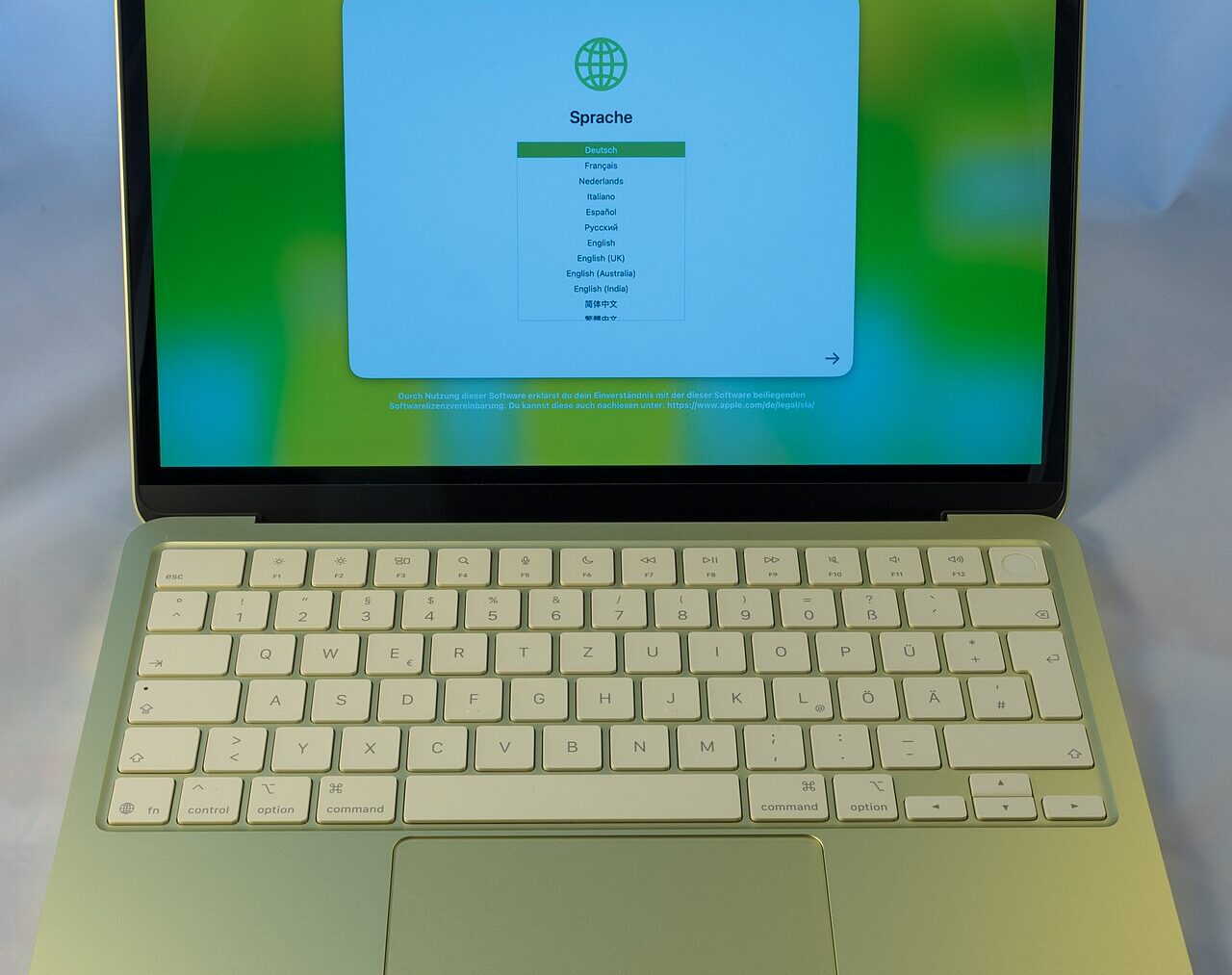
Thin aluminum lids in silver, indigo, blush and citrus. A starting price of $599, the lowest a Mac has ever carried. Supply crews were already scrambling on launch morning. And the rest of the laptop industry is now staring at a forecast it did not want to read.
How a phone chip in a laptop body broke the budget market wide open
The engine inside it is the A18 Pro, the same chip that powered the iPhone 16 Pro line. Ported into a 13-inch aluminum chassis, it runs macOS without needing the more expensive M-series silicon that has historically kept Apple out of the sub-$700 category.
That crossover is the mechanism: a chip already in mass production for phones costs far less to place in a laptop than designing a new low-power desktop processor from scratch. Apple could keep the bill of materials tight even as rivals faced surging memory costs.
The wider PC industry is battling a surge in component costs, particularly for memory. Apple navigated that by equipping the Neo with non-upgradable 8GB of unified memory and a lower-cost SSD. It also helped insulate Apple from surging prices for RAM and other PC components that have driven Windows laptop prices upward.
What a three-week sellout and revised forecasts look like in practice
The MacBook Neo was officially announced on March 4, 2026, a 13-inch device starting at $599, or $499 for students and educators. General availability followed on March 11. The response was immediate and overwhelming, triggering supply strain almost immediately and prompting Apple to raise production orders within weeks of launch.
Nearly 44 percent of shipments went to Apple’s US home market alone. Analyst estimates of the full production target were revised upward after launch, with demand exceeding expectations in multiple regions including India, where retailers struggled to secure enough inventory.
Supply delays and sell-outs hit quickly after launch. The debut was the best start for a Mac product in a long time, despite the computer being introduced only at the end of the quarter and initially struggling with delivery problems.
Industry analysts identified the Neo as the primary growth driver, a product viewed as lowering the entry barrier to the Apple ecosystem and successfully attracting more new users. That competition is not abstract. It is pulling buyers who would previously have defaulted to a $500 Windows machine.
The hard numbers showing who wins and who loses this year
The market-level data is where the shift becomes impossible to ignore. Apple’s Mac shipments in 2026 are projected to grow 23 percent year over year, while the overall laptop market is forecast to decline 11 percent, according to Counterpoint Research. Those two numbers sit on opposite sides of a dividing line.
Driven by the volume expansion of the MacBook Neo, Apple’s full-year notebook shipments are estimated at approximately 23 million units, with full-year growth still expected to remain in the double digits. That is a counter-trend result in a category where most vendors are heading the other direction.
The shipment forecasts above draw on Counterpoint Research’s analysis and IDC data reported by TechCrunch, both of which updated their estimates upward after launch-week data came in.
Where the pricing pressure is hitting rivals hardest
The complication for the rest of the industry is that the memory shortage Apple sidestepped is actively squeezing Windows PC makers. Some 2026 laptops cost hundreds of dollars more than equivalent models from the previous year, including a $400 jump for Dell’s XPS 14 and across-the-board hikes from Asus.
That means the gap between a $599 Neo and a comparable Windows ultraportable is widening, not narrowing. Microsoft began offering a college student bundle worth $500 for some PCs, while Intel signaled efforts to improve baseline quality and design for budget laptops using its CPUs. Those are defensive moves, not offensive ones.
The Neo remains the cheapest new Mac on sale. Budget Windows rivals now face the awkward task of justifying higher prices for comparable or lesser hardware. This matters for anyone shopping within the current Apple lineup cycle, where the ecosystem pull has never been stronger.
What the market looks like from here and what is still unsettled
IDC projects overall global PC shipments will decline roughly 11 percent this year, with a painful 20 percent sales drop envisioned for Q4. The research firm sees no relief to the memory shortage before the end of 2027, meaning prices will continue to rise and PC manufacturers will struggle to maintain full product portfolios. Apple sits as the clear outlier, growing into a market that is, on balance, contracting around it.
Yet not everything is settled. A single manufacturer handles final assembly for the Neo, making any capacity expansion dependent on that one partner’s speed. Supply chain constraints in the face of enthusiastic demand could turn all of the Neo’s competitive assets into a messy delivery bottleneck.
The longer question is whether the $599 price holds. If component costs keep climbing, the budget positioning driving the Neo’s market-share gains could erode faster than analysts currently expect.
For now the data is unambiguous: a single device launch has done more to reshape a segment than any comparable moment in years. Those tracking the broader shift in global hardware spending will find the Neo’s trajectory one of the sharpest illustrations of how a chip cost advantage translates directly into share gains at scale.
