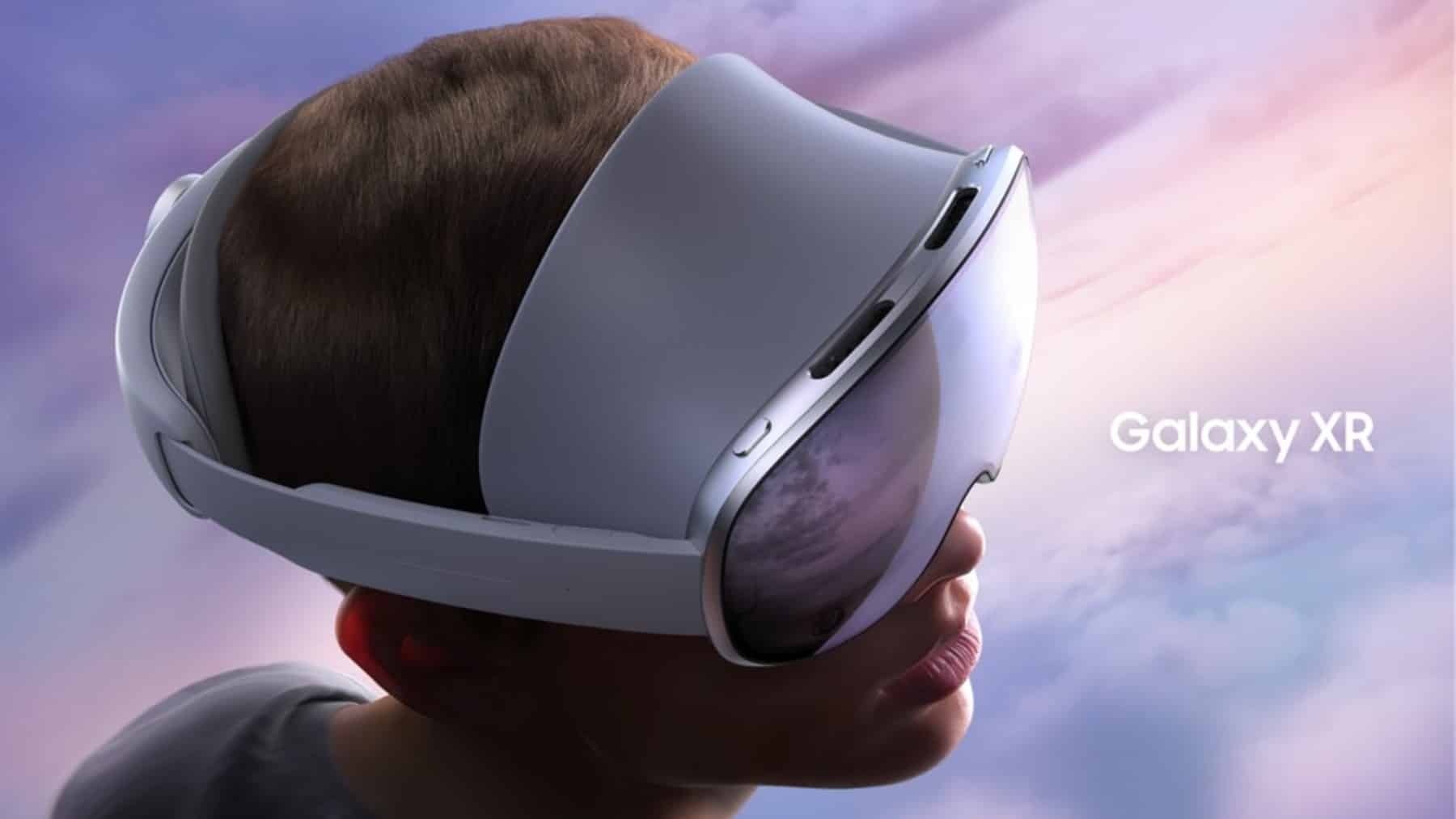
Samsung, after months of consumer anticipation, finally unveiled the Galaxy XR, its first mixed reality headset. The launch took place at a virtual event on October 21st, marking the end of the “Moohan” project and the beginning of a new phase for the Android product line. The device comes with advanced features and a competitive price in the mixed reality technology market — practically half the price of Apple’s Vision Pro, also a recent release. With this launch, Samsung enters the XR universe, promising to blend the physical and digital worlds in a more accessible and practical way.
Samsung enters as a new competitor in the world of mixed reality
Samsung intends to transform the way its customers interact with the digital world. Project Moohan — the codename for its new XR headset — is described by the company as “a device capable of uniting everyday utility and immersive experiences in a single environment.”
The companies’ proposal is to create a platform that goes beyond providing entertainment, extending spatial computing to everyday life. This headset promises to offer new, natural, and intuitive interactions, such as the use of voice commands, gaze, and gestures, instead of screens and touch. The first preview released shows cinematic landscapes blending with virtual elements, a sort of demonstration of how the concept of “wide-open worlds,” which gives the event its name, works.
The specifications and price of this new product have not yet been officially confirmed, but the price is already being estimated at something above US$1,800. Reservations are now open on Samsung’s website, and customers who want to secure the device in advance can receive a US$100 credit. This is an incentive that reinforces the brand’s commitment to early adoption.
How Samsung’s “Welcome Package” Works
This new release has a major differentiator: its focus on integration with everyday life and the professional environment. According to Samsung, the new headset will be a tool capable of increasing productivity, creativity, and collaboration. One example mentioned by the company is a user participating in a meeting with three-dimensional avatars, allowing them to interact in real time, review 3D prototypes with their hands, or visualize data simply by looking.
Samsung emphasizes that Android XR was designed with the intention of being multimodal, combining voice, motion, and scene recognition, all done with the help of adaptive AI. The company’s goal is to make headset interactions more human and, most importantly, less dependent on screens and devices.
Samsung’s challenge to Apple and the future of XR
With its new product, Samsung demonstrates its desire to become a leader in a market previously dominated by Apple. The company offers half the price and integration with the Android ecosystem as a way to democratize immersive technology. Now the challenge is to win over the public, demonstrating that XR can be useful for studying, working, and relaxing.
What does Samsung hope to achieve with this upcoming release?
Samsung’s latest launch marks the beginning of a new technological race, in which mixed reality and artificial intelligence are beginning to merge in a more accessible way for everyone. This battle between Samsung and Apple will certainly accelerate the evolution of this sector, and for consumers, this is great news.
The Samsung Galaxy XR arrives on the headset market, combining performance, comfort, and a competitive price. Besides being a response to the Vision Pro, the new product offers a new type of digital interaction, more intuitive and accessible. With the support of Google and the tradition of the Samsung brand, the XR promises to take mixed reality from the realm of curiosity to people’s everyday lives. According to the company, we can expect a more democratic immersive future.
