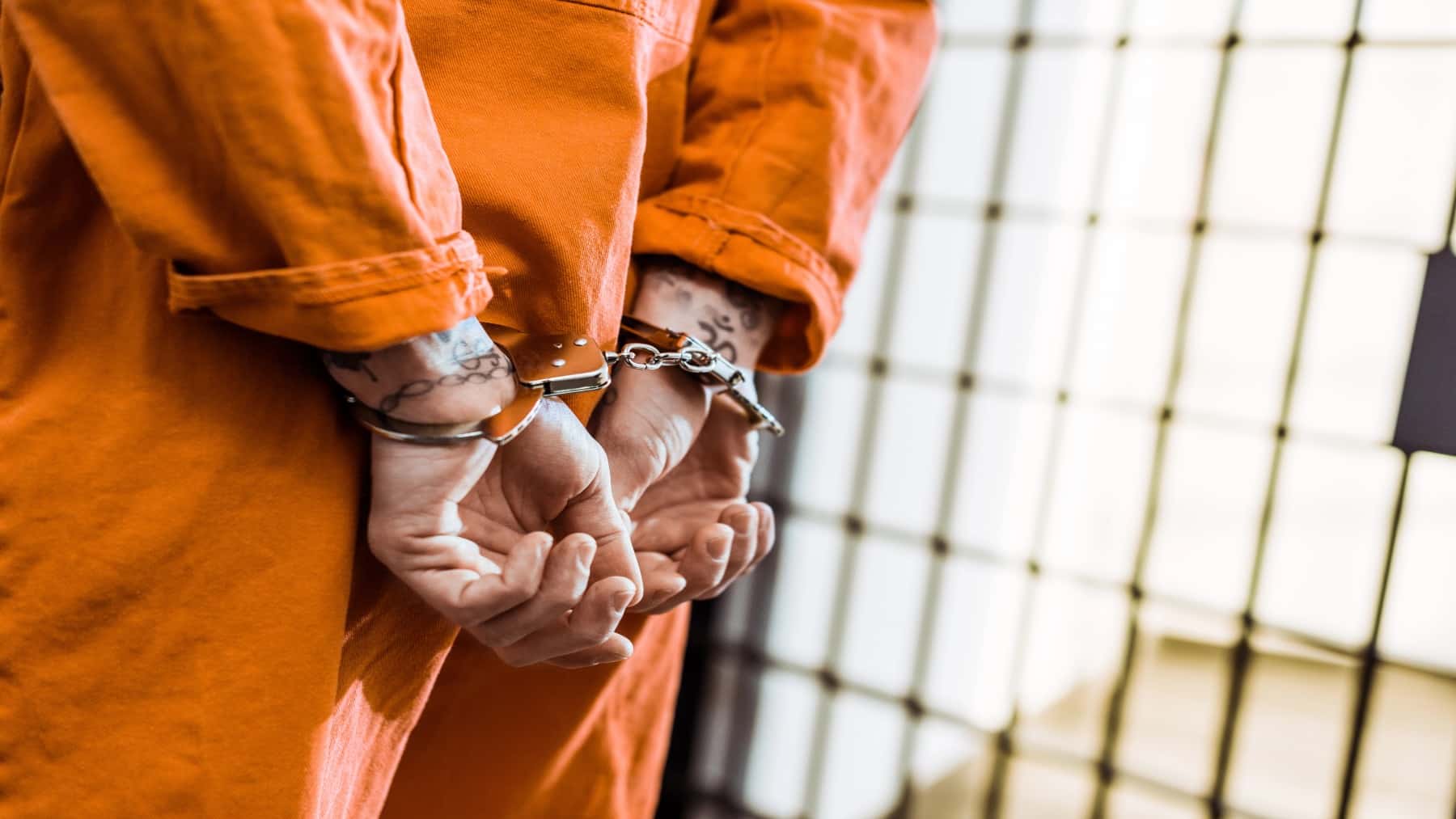
A suspect has been taken into custody by German law enforcement officials in one of the most shocking hate crimes to come out of Germany recently. The crime took place with numerous Nazi symbols being posted on dozens of cars and buildings with an unusual and alarming paint that has shaken the community in Hanau to its core. The town is still recovering from its worst nightmare realized in a violent attack that left nine people dead five years ago.
Police find shocking instances of vandalism in Hanau
The Hanau police began an investigation as soon as reports reached them about swastikas that had been found on parked cars in the entire town. The first one was noticed by a resident who saw that someone had sprayed a reddish symbol in the shape of a swastika on the hood of a car; calls to the police led to them searching the entire area.
A spokesman for the police, Thomas Leipold, confirmed that almost 50 cars, mailboxes, as well as the faces of various buildings had been vandalized with similar letters. The widespread act pointed to the possibility that it might be organized rather than carried out randomly. Yet, the initial problem was to establish whether there was any targeting or if the vandal had acted randomly within the neighborhood.
Forensic testing confirms disturbing details about the vandalism method
Laboratory tests on the reddish substance made it clear that the truth that would make this case stand out among those classified as hate crimes was to be found. The substance that had been used to make these symbols was found to be human blood. What initially was believed to be normal vandalism was instead found to be something more sinister.
Romanian citizen arrested following a witness tip leads breakthrough
The blood evidence was successfully traced to a 31-year-old Romanian national who was residing in Hanau. The suspect was apprehended in his home after an important tip-off that gave the investigators the lead that was essential in cracking the case. The suspect was found to be intoxicated during his arrest and had marks on his body that proved to be self-inflicted wounds similar to those from which the blood was taken to vandalize property.
“He was still definitely under the influence of alcohol. His motive seems to be rather personal and job-related—he just snapped,” is how Leipold explained the matter to the media.
The identity of the suspect has not been made public due to German privacy laws, though he has been committed to a psychiatric hospital for diagnosis and treatment. The motive behind his activities seems to be stress rather than neo-Nazi ideology; however, the use of Nazi symbols is alarming, irrespective of the reason behind that use.
Community leaders respond to the attack in a highly sensitive area
Hanau Mayor Claus Kaminsky was deeply shocked by the vandalism attack and condemned it strongly. The city made international headlines in February 2020 after a shooting attack resulted in the death of nine people with migrant backgrounds in the town’s hookah lounge. Clearly, this event has had a deep impact on the town that was only recently struck by tragedy.
“It’s an act that oversteps all boundaries of decency and humanity,” Kaminsky said. “Swastikas do not belong in Hanau. We will not tolerate symbols which spread fear and division.”
The arrest has brought some sense of relief to the people living in Hanau who had feared that they might be facing some form of organized extremist activity within their vulnerable community. Though the suspect’s current state of mental crisis offers no excuse whatever for his alarming behavior, it does imply that this was an isolated event and that there was no organized form of hate crime taking place here.
