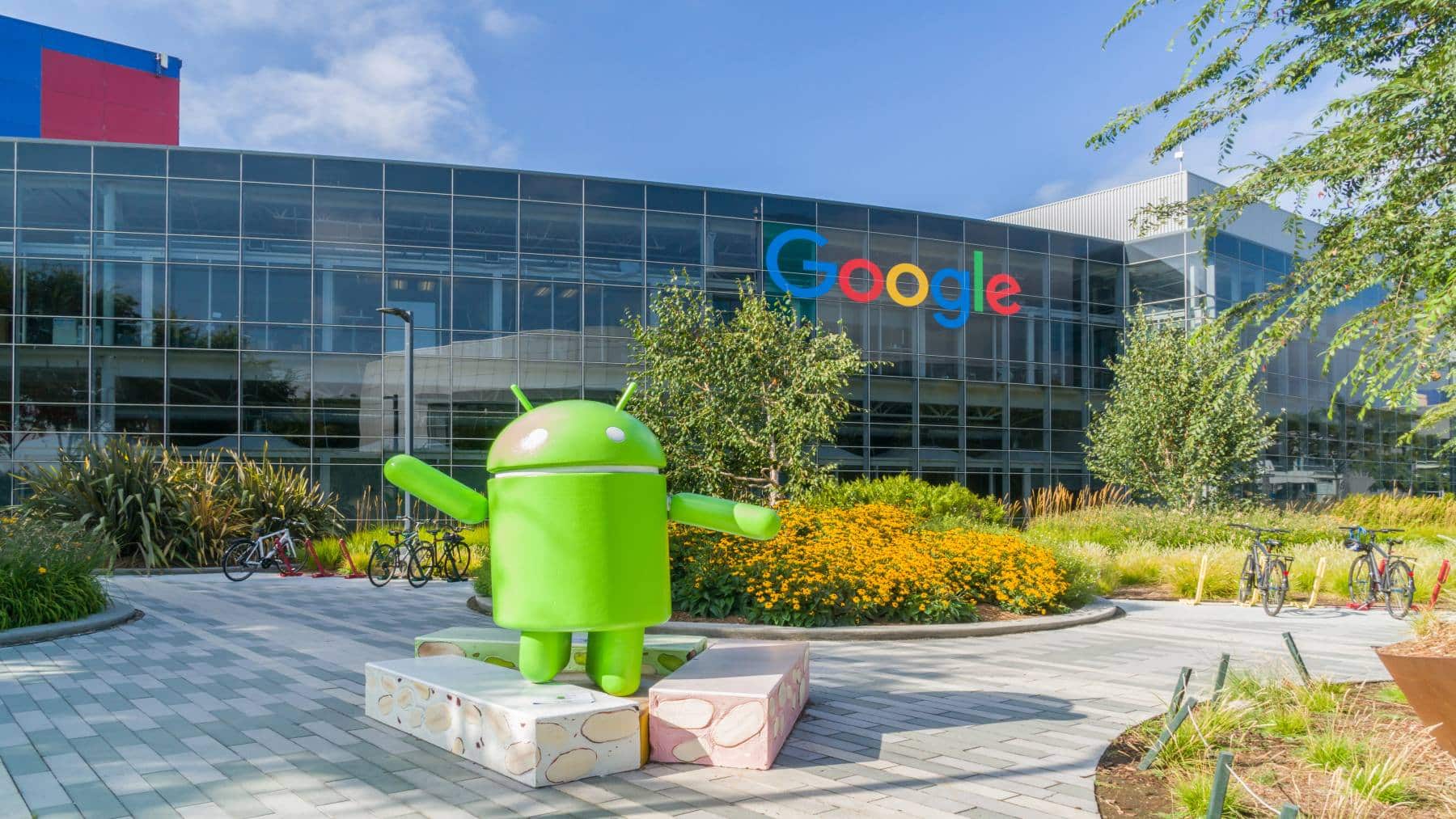
Anthropic has announced an unprecedented collaboration deal with Google Cloud, which is set to greatly augment Anthropic’s artificial intelligence computing capacity. Anthropic’s deal offers access to as many as one million Tensor Processing Units, which is currently Anthropic’s biggest compute commitment to date. This significant infrastructure development, which is worth several dozen billion dollars, positions Anthropic to keep up with demand due to its exponentially increasing customer base, besides enjoying competitive dominance in the AI sector.
A multi-billion-dollar deal transforms Anthropic’s computing infrastructure
The joint venture is set to deploy more than a gigawatt of AI compute capacity by the year 2026, which will fuel Anthropic’s explosive business growth model. The estimated costs of a data facility pegged at 1-gigawatt capacity range in approximately $50 billion, of which a significant $35 billion is accounted for by processors.
Anthropic is now supporting more than 300,000 business customers, which is an astounding 300% rise in the past two years. The current customer base consists of large customers who provide run-rate revenue of over $100,000, which has increased by close to seven times in the past year. This kind of phenomenal rise obviously requires an immense amount of computing capacity to provide efficient support.
Revenue growth of Claude fuels unprecedented computing demand
Anthropic’s annual revenue run rate is close to $7 billion, which is an impressive achievement in this saturated market for AI products. Claude Code, which is Anthropic’s coding assistant, achieved an annual revenue of $500 million in just two months after launch, which, according to Anthropic, is an unprecedented achievement, as it is the fastest-growing product in history, which, in turn, stimulates this rush for increased computing infrastructure.
A multi-platform strategy by the company ensures optimal resource utilization for varied workloads ranging from training, inference, to research work. TPUs from Google provide an efficient pricing-performance solution, but alternatives from Amazon Trainium provide more economical solutions for applications that require them. Having this mixed bag solution, Anthropic can fine-tune better than monolithic solutions for costs, performance, and even for power consumption.
“Anthropic and Google have a long-standing partnership, so this latest expansion of capacity helps us to continue to grow compute needed to further define what our frontier of AI is going to look like,” commented Krishna Rao, Anthropic’s CFO.
Strategic partnerships balance competition while ensuring advancement
Despite this massive expansion at Google Cloud, Amazon is Anthropic’s most integrated collaborator, which has invested an estimated $8 billion, in contrast to $3 billion from Google. AWS is Anthropic’s primary source for infrastructure, which makes these inroads more structural in nature as well. The supercomputer developed by Amazon, Project Rainier, is based on Trainium 2 processor cores, offering further scaling in higher-margin costs.
The multi-cloud infrastructure has been quite resilient during recent instances of AWS downtime, as services from Claude have not been affected because of diversified infrastructure. Anthropic retains control over model weights, pricing, as well as customer data, without any exclusivity agreements between them and any of the cloud companies.
The benefits of partnerships include the following:
- State-of-the-art TPU access and Google’s seventh-generation “Ironwood” processor
- Diversified risk management for different cloud platforms and chipsets
- Cost optimization by effective allocation of workloads, using vendor rivalry
- Improved availability of services via redundant infrastructure capabilities
Anthropic’s massive compute capacity expansion is a calculated wager placed by the organization in terms of continued demand acceleration in AI. A diversified infrastructure offering by Anthropic, which encompasses TPUs from Google, Trainium from Amazon, as well as GPUs from NVIDIA, leads to increased competitiveness in relation to optimized ratios of costs versus benefits, apart from remaining at the pinnacle of technological development in the competitive domain of AI.
