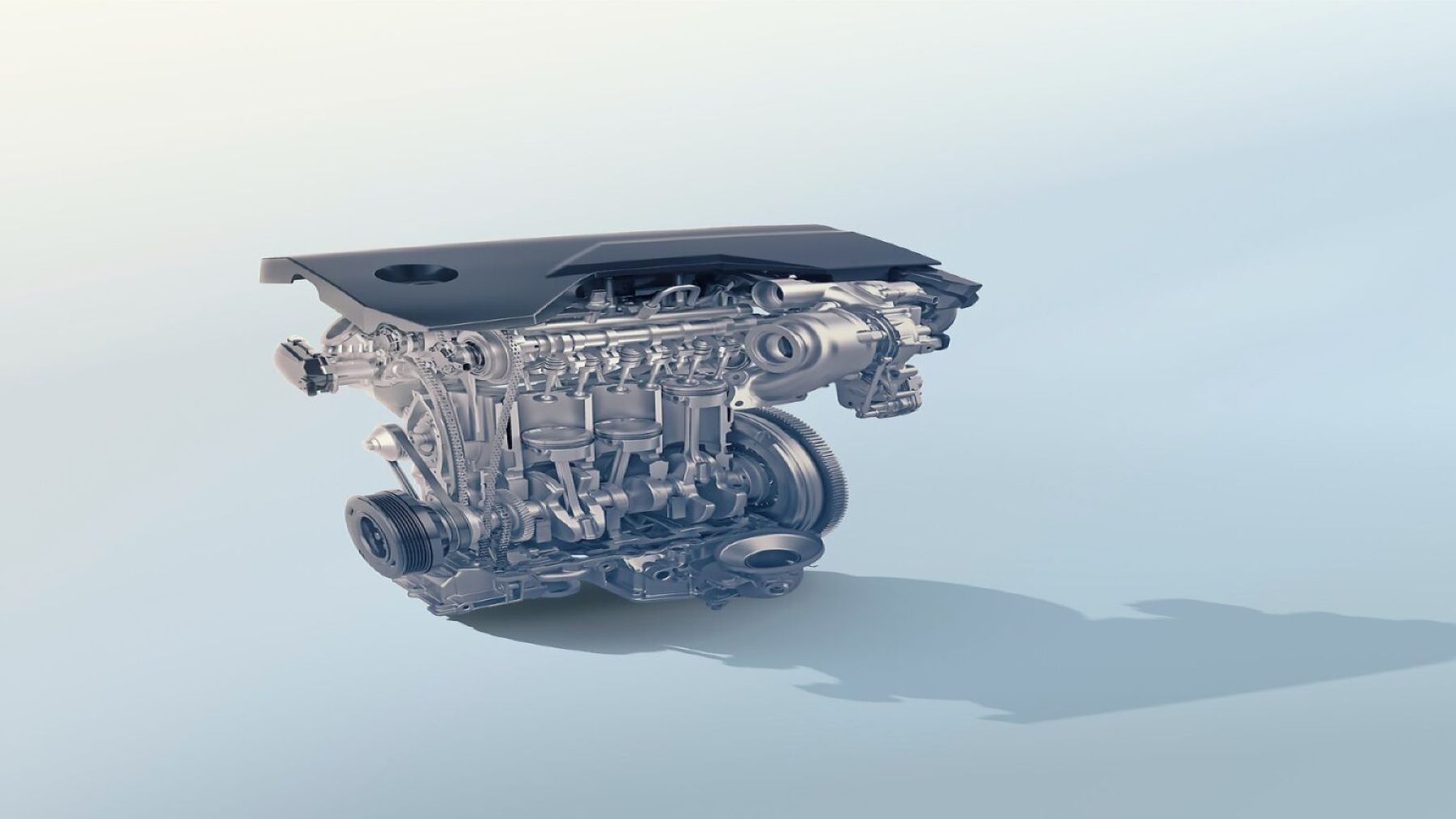
Sweden, often seen as a leader in environmental innovation, has drawn criticism for a recent decision that many view as a step backward. The release of the Vauxhall Corsa with a newly introduced gasoline engine captured consumer interest, but it has also raised eyebrows. Swedish officials are now under scrutiny for embracing outdated engine technology, a move that some argue contradicts the country’s green reputation.
The new Vauxhall Corsa engine: a surprising choice for Sweden
Many people have noticed the latest version of the Vauxhall Corsa since its release, which has multiple engine choices. The 980 kg weight vehicle incorporates a gasoline fuel system. Sweden stands out as a country which led in electric vehicle and renewable energy promotion yet this motor choice appears unexpected. Electric cars dominate the market today, so selecting a gasoline engine as a new addition to the lineup seems unusual. Gasoline engines’ emission output leads to both air pollution and climate change problems. Such a choice runs directly against national initiatives for carbon reduction and clean energy adoption in Sweden.
Introducing gas-powered engines creates environmental concerns about fulfilling Sweden’s green initiatives.
The Swedish government established a target of achieving carbon neutrality nationwide by 2045. Adding a gasoline engine to Vauxhall Corsa models works against Swedish green energy initiatives. Introducing a gasoline engine will negatively affect Sweden’s environmental situation by enabling more emissions production and delaying the adoption of sustainable energy solutions.
Swedish carbon neutrality targets now face difficulty reaching their final goals
The choice to use engines powered by gasoline would increase carbon pollution, which could prevent Sweden from reaching its carbon neutrality goals. The decision may also inhibit the transition towards electric vehicles since these vehicles play a key role in lowering greenhouse gas emissions. Such a move raises doubts about Sweden’s dedication to achieving environmental targets.
The general public expressed ambiguous opinions about the Vauxhall Corsa after its launch
People have various opinions regarding the latest Vauxhall Corsa model. The public has divided reactions about the Corsa because of its lightweight construction and performance abilities, yet gasoline engine dissatisfaction remains. The automobile choice has ignited a public discussion regarding Sweden’s transportation path and traditional engine evolution in a sustainable contemporary society.
How the public perceives the return to gasoline engines
The Swedish population takes great pride in their nation’s leading environmental performance. Introducing a gasoline-powered engine creates a 20th-century sensation, contrasting with historic engine standards. Because of this development, ecological associations and Swedish citizens question Sweden’s sustainability status. The introduction of the Vauxhall Corsa creates a debate about the continuous conflict between fiscal viability and environmental responsibility.
The economic outlook requires engineers to make innovations practical through moderation
Environmental sustainability issues remain important, yet economic factors also need evaluation. The GOAL acquisition of a gasoline engine for the Vauxhall Corsa represents a strategic move between technological advancement and customer convenience. The low expenses of gasoline engine production and servicing make the Corsa available to an expanded market segment.
Affordability and market reach
Vauxhall could implement the gasoline engine to attract buyers who primarily use fossil fuels instead of transitioning to electric vehicles because of budget and infrastructure requirements. Implementing this product strategy would allow Vauxhall to preserve its market position and protect its sales in the aggressive automotive market. Using regular engines raises sustainability concerns about their extended viability.
The Vauxhall Corsa’s gasoline engine model, introduced by Sweden, has met widespread condemnation as a mistaken move among the population. Modern society is progressing toward climate-friendly power technologies, whereas this development takes us away from outdated gas-powered models of the twentieth century. Sweden must find ways to solve the tradeoff between preserving traditional values and advancing environmental priorities based on their environmental impact analysis and citizens’ reactions.
