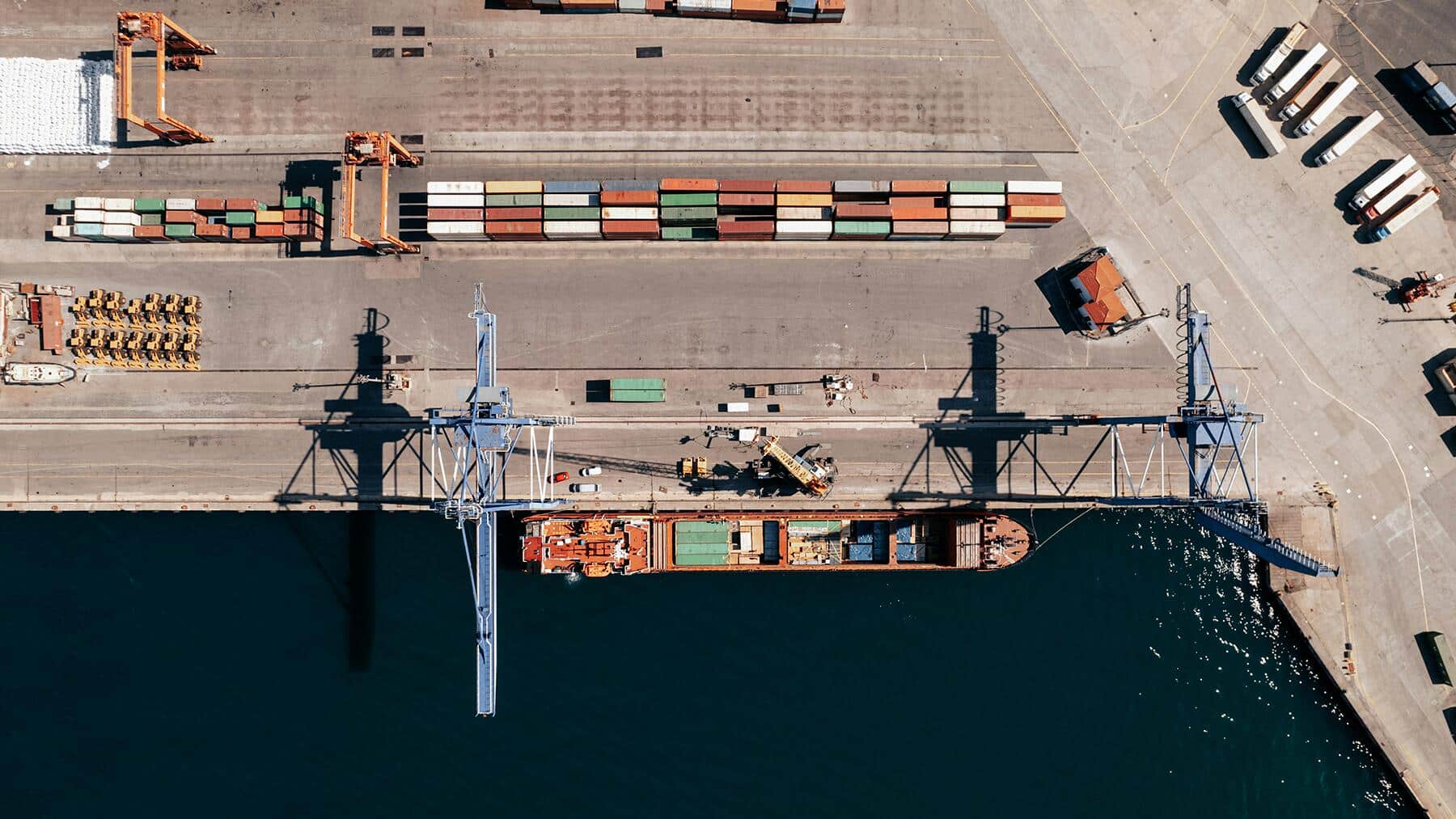
Namibia has achieved a groundbreaking milestone in Africa’s renewable energy landscape with the launch of an innovative green hydrogen facility that promises to reshape the continent’s energy future. The project represents a significant step toward establishing Africa as a major player in the global clean energy transition. This pioneering initiative combines cutting-edge technology with abundant natural resources to create a sustainable energy solution.
Game-changer: Revolutionary plant converts Walvis Bay into a hydrogen hub
One of these green hydrogen production plants was established at the Namibian Walvis Bay Port with a production capacity of 5MW by the end of December 2025. This green hydrogen production plant is based in Africa and marks the first plant of its kind that has been totally integrated. This green hydrogen production plant was constructed with the joint efforts of Plug Power and Cleanergy Solutions Namibia. This hydrogen production plant has the ability to produce sufficient green hydrogen to power 40 cargo-carrying heavy trucks at the terminal of the port.
The hydrogen production plant is based on the use of renewable forms of energy and an electrolysis process that separates oxygen and hydrogen from water. Currently, the harbor handling equipment, like yard trucks, container cranes, and small ships, is fuelled by hydrogen derived from local production. The port can serve as a model for conversion to environmentally friendlier forms and methods for ports in Africa.
Integrated infrastructure can provide a foundation in this regard
In the context of Walvis Bay, the project has an infrastructure system that not only covers the aspect of hydrogen production but also offers a complete fuel solution. The power plant at Walvis Bay has a 5MW solar park that covers more than 6.5 hectares, as well as a 5.9 MWh battery energy storage system to offer the required hydrogen from renewable sources for a system not connected to the grid. The idea presents a vertical solution that combines clean electrons with clean molecules.
It has the same space requirement as that of a small warehouse and needs roughly nine liters for each kilogram of hydrogen generated. Its modules can be replaced without having to undertake major constructions, an aspect that makes it an efficient process in the long run. It is expected that future expansions shall reduce the costs of production, as stated by company spokespersons.
The hydrogen plant created jobs to the tune of 150 during the construction process, in addition to 200 jobs created indirectly. Cleanergy Solutions Namibia has a collaboration agreement with various institutions to train Namibians with specific skills pertinent to the running of hydrogen systems. The partners will launch a second phase that will double the capacity from 5MW to 10MW, creating ammonia production infrastructure.
The positioning strategy allows for regional export potential
The opportunities in Walvis Bay make this location very suitable for renewable energy projects as well as projects involving the export of hydrogen. Walvis Bay has high solar intensity as well as wind along the coastal areas, which implies sufficient renewable energy resources needed for the hydrogen supply chain. The partners in this project will also explore opportunities to export hydrogen to foreign markets through ammonia.
“Projects like Cleanergy Solutions Namibia are excellent examples of how green hydrogen moves from idea to execution,” Jose Luis Crespo, the President and Chief Revenue Officer of Plug, said.
Indeed, the green hydrogen plant to be established in Namibia is among the most striking projects on the African continent regarding the advancement of African capacity in the domain of renewable energy resources. The project is predicted to place African states among the world leaders in green energy resources and could open a new way for future constructions in Africa in the domain of best practices in sustainable production processes.
