The EU is willing to spend a certain amount of money on energy, and it has been ridiculed for that. Apparently, their idea is unrealistic. The dilemma facing the EU is that it aspires to be both a worldwide leader in combating climate change and a secure purchaser of dependable energy. However, spending hundreds of billions on imported petrol each year would conflict with its own climate objectives. Locking into long-term gas contracts might hold down investments in wind, solar and other renewable energy sources, according to some lawmakers.
The EU has little energy control; hence, its idea is unrealistic
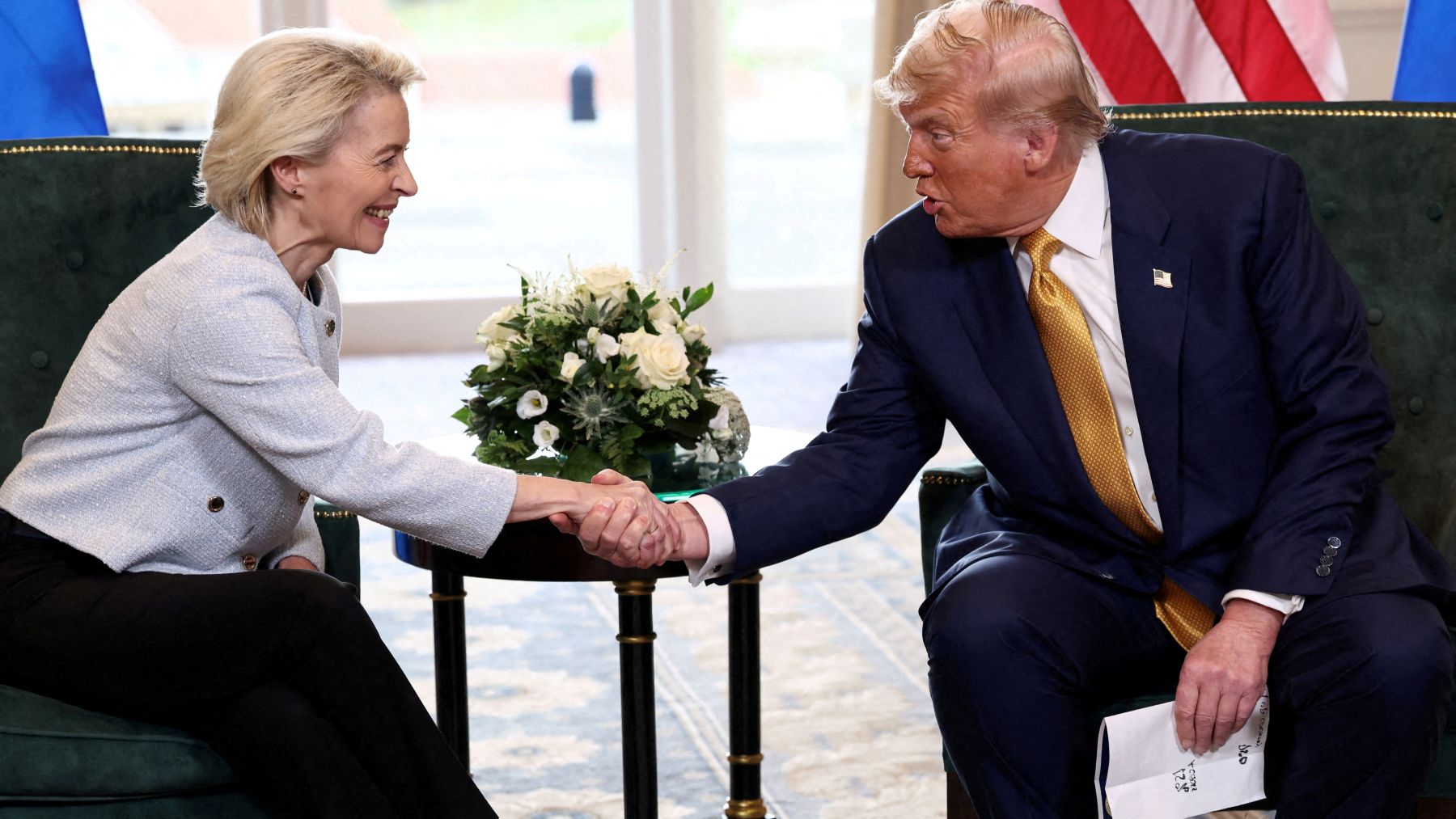
The European Union’s pledge to buy $250 billion of U.S. energy supplies per year is unrealistic because it would require the redirection of most U.S. energy exports towards Europe, and the EU has little control over the energy its companies import. The U.S. and EU struck a framework trade deal on Sunday, which will impose 15% U.S. tariffs on most EU goods.
The deal included a pledge for the EU to spend $250 billion annually on U.S. energy imports of oil, liquefied natural gas and nuclear technology for the next three years. Total U.S. energy exports to all buyers worldwide in 2024 amounted to $318 billion, U.S. Energy Information Administration data showed. Of that, the EU imported a combined $76 billion of U.S. petroleum, LNG and solid fuels such as coal in 2024.
Too many buyers and insufficient energy in America
More than tripling those imports was unrealistic, analysts said. Arturo Regalado, senior LNG analyst at Kpler, said the scope of the energy trade envisioned in the deal “exceeds market realities.” Regalado continued and said,
“U.S. oil flows would need to fully redirect towards the EU to reach the target, or the value of LNG imports from the US would need to increase sixfold.”
There is strong competition for U.S. energy exports, as other countries need the supplies and have themselves pledged to buy more in trade deals. Japan agreed to a “major expansion of U.S. energy exports” in its U.S. trade deal last week, the White House said in a statement. South Korea has also indicated interest in investing in and purchasing fuel from an Alaskan LNG project as it seeks a trade deal.
Is there money? Who is going to cover the bill?
Their whole idea of purchasing has been expressed, and opinions shared, but is there money or are there funds to fulfil this need? It is not a secret that the cost of living for regular individuals is high, and so it is for nations when it comes to imports and exports. Therefore, financial strains have been identified, which is why the question surrounding the availability of money is being questioned.
The EU estimates that its member countries’ plans to expand nuclear energy would require hundreds of billions of euros in investments by 2050. Its nuclear reactor-related imports, however, totalled just 53.3 billion euros in 2024, trade data shows. The energy pledge reflected the EU’s analysis of how much U.S. energy supply it could accommodate, a senior EU official said, but that would depend on investments in U.S. oil and LNG infrastructure.
Competition for U.S. energy could drive up benchmark U.S. oil and gas prices and encourage U.S. producers to favour exports over domestic supply. That could make fuel and power costs more expensive, which would be a political and economic headache for U.S. and EU leaders. Neither side has detailed what was included in the energy deal or whether it covered items such as energy services or parts for power grids and plants. Everything the EU is doing and deciding is related to Russia and trying not to form enmity, but it could lead to future consequences.
GCN.com/Reuters.
