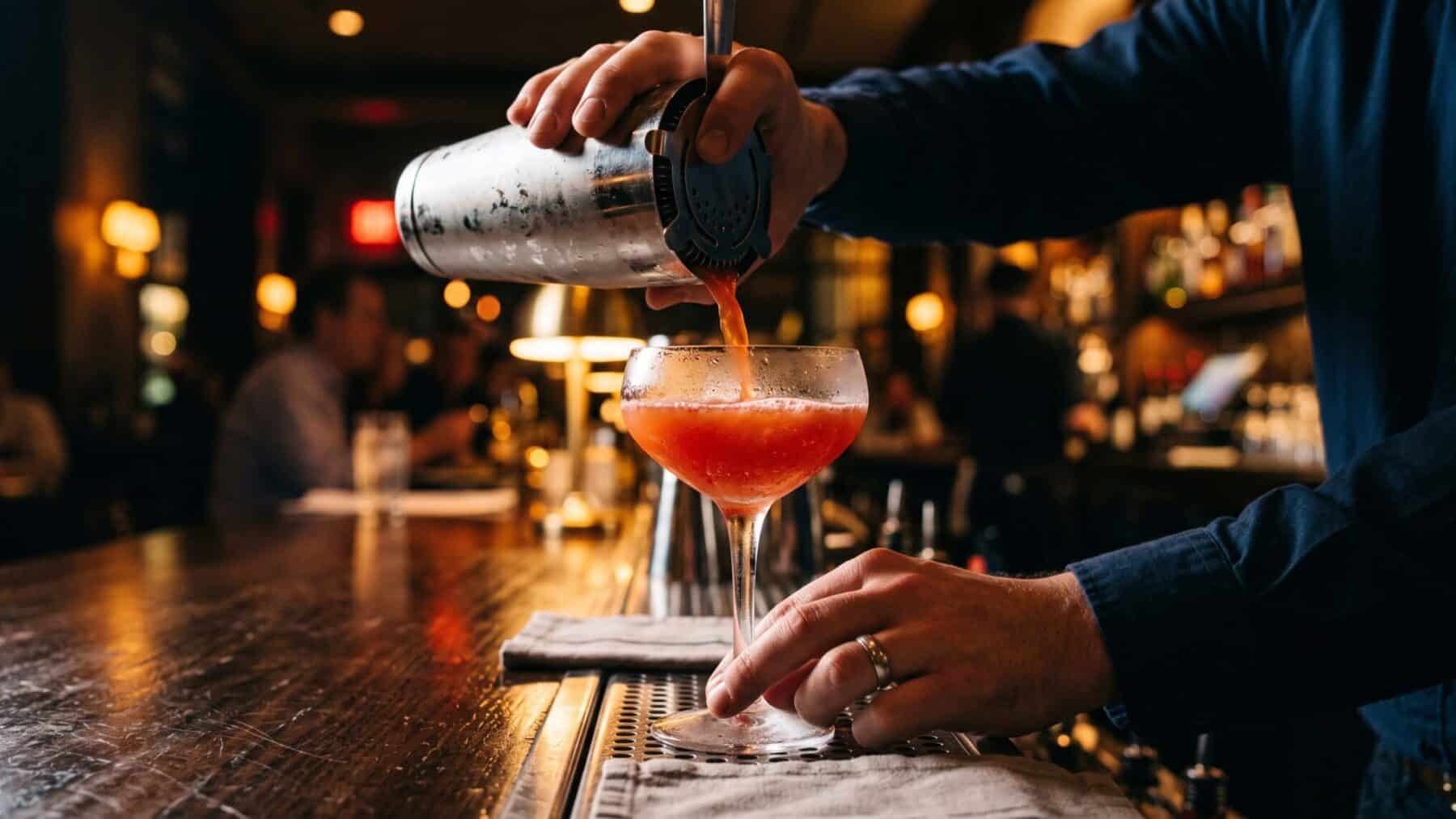
Americans are increasingly walking into restaurants not just to eat but to drink something they cannot make at home, and a sweeping new industry report confirms the shift is now shaping how operators stock their menus and how they compete for diners’ money.
What the report found
The National Restaurant Association released its 2026 Restaurant Beverage Trends report on August 25, 2026, finding that beverages are becoming one of the most dynamic and innovative growth drivers in the restaurant industry. The report is powered by presenting sponsor The Coca-Cola Company.
The research reveals that restaurants are increasingly serving as destinations for beverage discovery, while consumers, especially Gen Z and millennials, are fueling demand for new flavors, expanded menus and beverage-centric experiences.
Seventy-two percent of surveyed consumers say restaurants are a good place to learn about beverages they have never tried before, while 54% say they enjoy being adventurous when selecting a beverage. An overwhelming majority, 87% of full-service operators and 80% of limited-service operators, say beverages can be an important driver of restaurant traffic.
Majorities in both segments also say offering a larger variety of beverages is more important than it used to be.
Michelle Korsmo, president and CEO of the National Restaurant Association, said in a statement: “Beverages are more than just a drink for today’s consumers, they’re looking for something that feels personal, memorable, and worth going out for.”
Younger diners are driving the change
Younger consumers are leading the trend, as 71% of both Gen Z and millennial consumers say their favorite restaurant beverages provide flavor experiences that cannot easily be replicated at home, and roughly seven in ten younger adults want more beverage options on menus.
The preference for novel drink experiences connects to a broader pattern in how younger Americans are using dining out. OpenTable’s 2026 Dining Trends Report found millennials plan to dine out an average of 14 times per month, and 79% agree that a restaurant’s “Instagram/TikTok-worthiness” is important when deciding where to dine, a dynamic that gives photogenic specialty drinks an outsized role in driving foot traffic.
This generation’s appetite for discovery is also reshaping how restaurants position the visit itself. With more Americans cooking at home more often amid economic pressure, the drink menu is emerging as one of the clearest ways a restaurant can justify the trip over a prepared grocery meal.
What operators are stocking
Limited-service operators are focused on growth categories such as coffees (46%), teas (31%), smoothies (29%), lemonades (27%), energy drinks (26%) and wellness beverages (24%).
Full-service operators are expanding both traditional and emerging alcohol offerings, including mixed cocktails (55%), alcohol-free cocktails (49%), beer (45%), wine (42%) and alcohol-free beer (39%).
The investment in non-alcoholic cocktails is notable. Consumers want more choice across channels, particularly lemonades, juices, smoothies, teas, coffee drinks, craft sodas and other flavor-forward non-alcohol options.
Off-premises beverage service remains underdeveloped, with many guests not regularly adding beverages to takeout and delivery orders. Eighty-three percent of delivery customers say they would include beverages in delivery orders more often if improved packaging allowed restaurants to offer more beverage options, representing the next opportunity operators are working to close.
As consumers seek more variety, functionality and beverage-led experiences, operators are refreshing menus to capture evolving demand, with limited-service operators concentrating investment on coffees as their top growth category.
A new kind of restaurant occasion
The report also documents a shift in how people use the restaurant setting itself. The beverage-only occasion is taking off, with restaurants moving toward being beverage discovery destinations in their own right.
Beverage-only purchases are emerging as a significant occasion, particularly among younger consumers. Thirty-seven percent of consumers make beverage-only purchases at least weekly, including 50% of Gen Z adults and 47% of millennials, as consumers stop in for an afternoon drink, a post-dinner non-alcoholic option, or a novelty coffee between meals.
Restaurants that build a compelling drink program can give price-sensitive customers who might skip an entree a reason to visit, anchored by a craft lemonade or a seasonal zero-proof cocktail.
For consumers already weighing whether to reduce spending on food, a curated drink experience that feels genuinely novel offers a lower-commitment reason to walk through the door.
The 2026 Restaurant Beverage Trends report is based on surveys of restaurant operators and consumers conducted by National Restaurant Association economists, covering consumer preferences, beverage purchasing behaviors, beverage-only occasions, alcohol and non-alcohol beverage trends, off-premises opportunities and operator menu plans.
