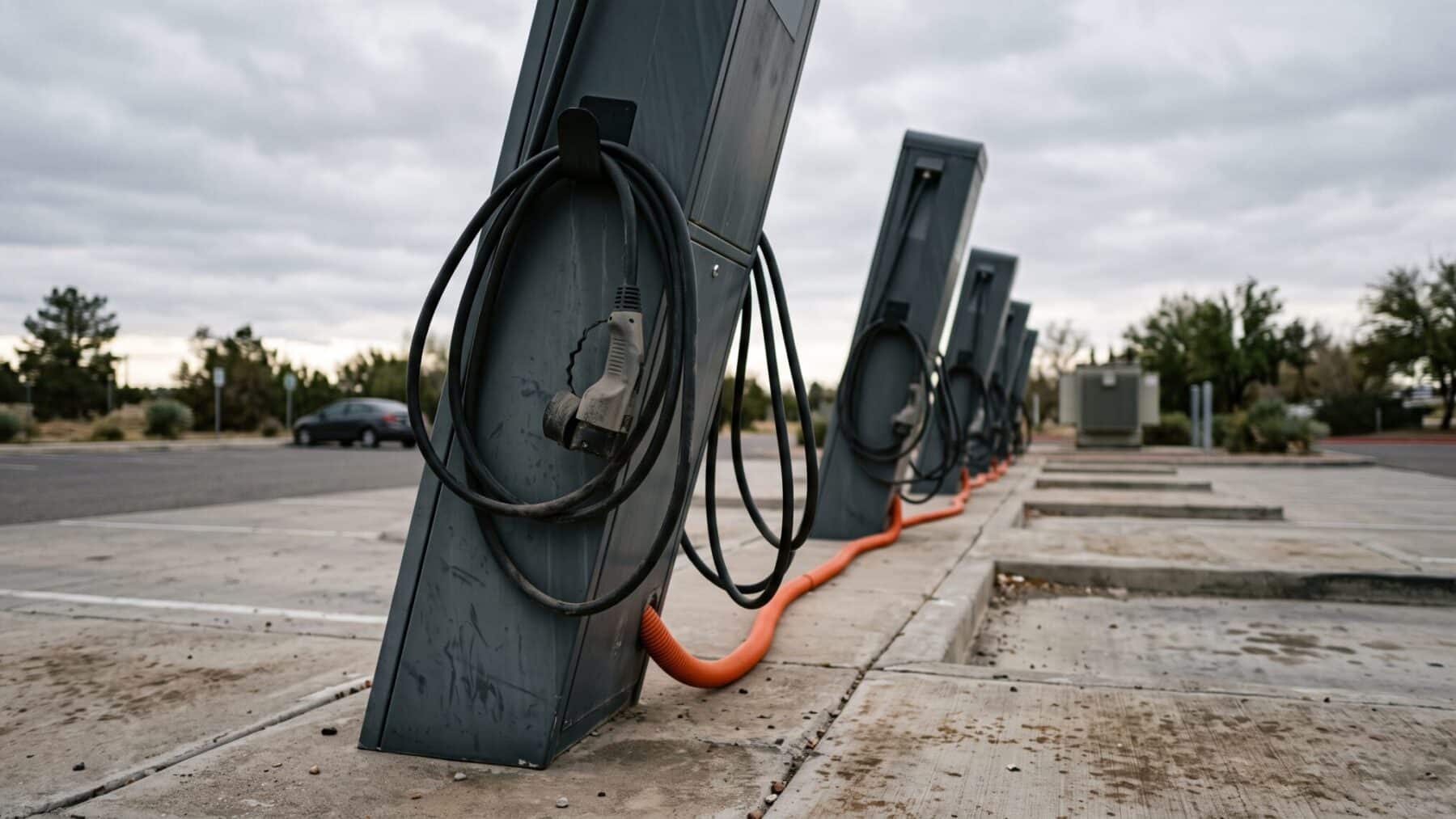
A new industry guide supported by the U.S. Department of Energy through Lawrence Berkeley National Laboratory is calling on utilities and regulators to improve the way they predict electricity demand from electric vehicle charging, warning that current methods were built for an era of slow, predictable load growth and are poorly suited to the speed and geographic concentration of EV adoption.
What the guide says
While, historically, forecasting has relied on trends in economic and population growth, transportation electrification presents a new and complex planning challenge.
EV charging is driven by complex human behaviors, is mobile, and can concentrate geographically in ways that, without proper planning, can quickly overwhelm local distribution systems.
The result is 20 best practices across the core components of EV load forecasting: scoping, implementing, and reviewing the forecast, and applying it to inform actionable grid planning. The recommendations were produced by the EV Load Forecasting Task Force, a 2026 report by the Energy Systems Integration Group (ESIG), supported by Lawrence Berkeley National Laboratory and prepared as an account of work sponsored by the United States Government.
Why utilities are not ready
Utilities’ forecasting efforts underpin billions of dollars in grid investments that ensure system reliability. Yet experts say the planning tools in widespread use today were designed around gradual, economy-driven load curves rather than the lumpy, behaviorally driven surges that a growing EV fleet can create on neighborhood circuits.
EV charging patterns are influenced by human behavior, can shift geographically, and may concentrate in ways that strain local distribution systems if not properly anticipated.
“It is more important than ever to understand where and when EV charging loads will arrive on the grid,” said Greg Mandelman, director of analytics and energy programs at Electric Power Engineers and a lead author of the guide. “This is especially critical as utility planners and regulators navigate high load growth, energy affordability, and increased grid complexity.”
To adequately prepare for future EV adoption, utility planners, regulators, and stakeholders require robust, fit-for-purpose forecasts that can better support planning for EV loads and help reduce the risk of service delays and inefficient grid investments.
An EV load forecast is more than a prediction of future demand, it is a critical tool for evaluating potential solutions to meet load growth.
The issue is not hypothetical. Utilities already face multi-year queues for grid interconnection at commercial fast-charging sites, a problem examined in detail by the federal software program trying to cut charging station wait times at up to 25 utilities across the country.
Scenarios and stakeholder transparency
Scenario analysis is an increasingly important modeling technique that can help planners manage investment risks more effectively and design a more efficient, flexible grid.
The guide recommends that utilities develop multiple demand scenarios rather than relying on a single forecast line, giving regulators and community stakeholders clearer insight into the range of outcomes driving proposed infrastructure spending.
The guide’s recommendations were informed by an industry advisory group, a regulatory advisory group, and interviews with subject matter experts, aiming to create a more consistent and transparent approach across forecasts, while providing a clearer framework for outside parties to evaluate assumptions and methodologies.
The transparency push matters for ratepayers. Utilities in several states have already filed large rate cases citing grid-readiness investments tied partly to electrification, including Arizona’s $1.7 billion in grid investments since its last rate review, which triggered a 14 percent bill hike request now under scrutiny from that state’s attorney general.
Broader grid planning context
Load from a single EV can equal nearly half the annual electricity consumption of an average U.S. household, and this new demand can materialize faster and with less notice than traditional loads.
Multiplied across millions of vehicles, the cumulative effect on distribution circuits that were never designed for simultaneous high-power draws is a central concern of grid planners nationwide.
Planners must anticipate not only how much power will be needed, but also when and where.
The ESIG guide argues that forecasting models must incorporate time-of-day charging behavior, workplace versus home versus public charging splits, and the likelihood that fast-charging clusters will land on specific feeders before those feeders are upgraded to handle the load.
The full EV Load Forecasting Guide is available publicly through ESIG, with the underlying technical report hosted by Lawrence Berkeley National Laboratory. Regulators in states reviewing utility infrastructure spending plans are among the primary audiences the task force says it had in mind.
