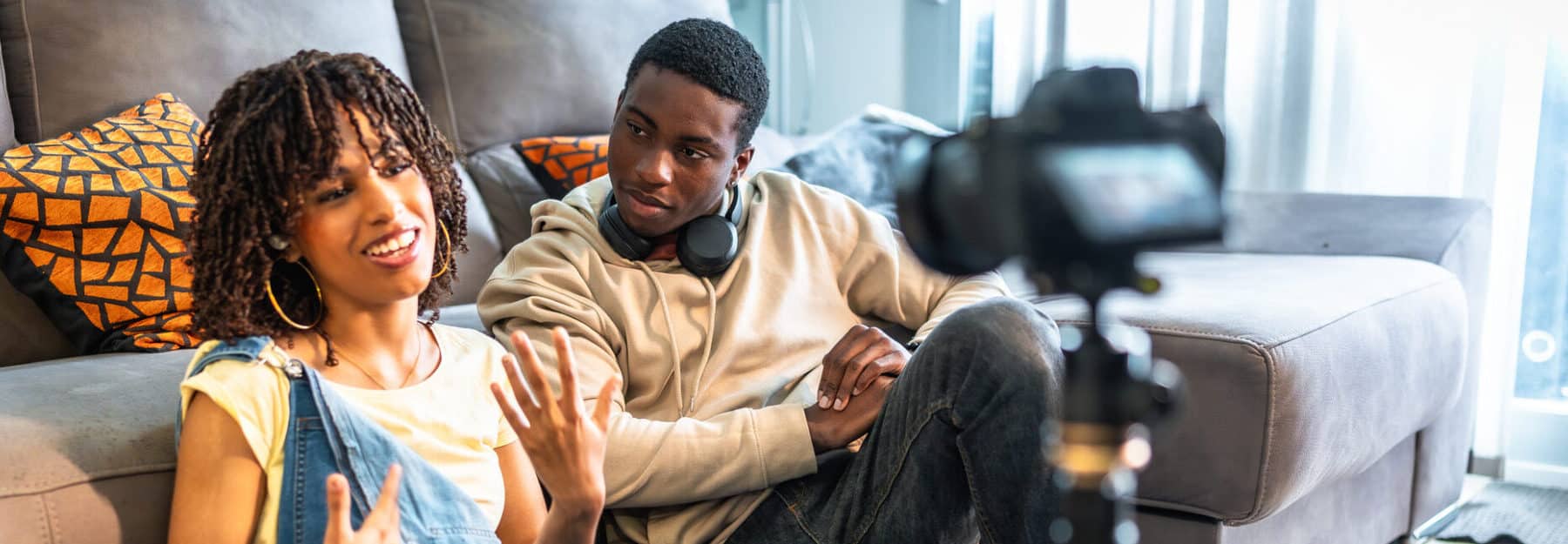
A ring light clicks on, a phone starts recording, and someone begins talking directly into the lens.
Not to a TV studio. Not to a magazine. Just to whoever stops scrolling long enough to listen. That moment, played out by more than 200 million creators worldwide, has assembled one of the largest advertising channels on earth. Most people still think of it as a hobby. Brands disagree.
How a like button turned into a $44 billion media buy
The mechanism is simple on the surface and surprisingly powerful underneath. When a creator posts a video recommending a product, the content does not look like an ad. It looks like a recommendation from someone the viewer already trusts. That trust gap is the entire value proposition, and it is something a banner ad or a primetime commercial slot cannot replicate at any price.
Brands figured out early that creator content travels further than paid placements because platforms reward engagement, not budgets. An algorithm treats a creator’s sponsored post exactly like organic content: if viewers watch it, share it or comment, the platform amplifies it for free. The brand’s paid investment compounds on top of earned reach, a dynamic that simply does not exist in traditional media buying.
Because the content sits inside a feed the viewer chose to open, friction is lower. Audience attention stays longer, click-through rates run higher, and a single creator with a loyal niche audience can outperform a broad TV spot for a fraction of the cost per conversion.
What $44 billion looks like sitting inside your phone
The scale becomes concrete when you break it by sector. Retail and consumer packaged goods brands are the largest drivers of creator spending, the same categories that once anchored network television, except the audience followed them somewhere else first.
Multiple major advertising categories are each expected to invest more than one billion dollars in creator media. When financial services firms and travel brands are committing ten-figure budgets alongside retailers, the channel has crossed from trend to infrastructure. Every major sector now has a dedicated creator line item on its media plan.
The viewers receiving those messages are not passive. Social media posts make up the largest share of creator formats, with short-form video platforms next, followed by live streaming. Those three formats together cover nearly every waking hour a phone is in someone’s hand.
The hard numbers and where they came from
The IAB’s 2025 Creator Economy Ad Spend & Strategy Report found that US creator spending more than doubled since 2021, climbing from $13.9 billion to $29.5 billion in 2024, then to a projected $37 billion in 2025.
US creator ad spend is projected to reach $44 billion in 2026, a growth rate running about four times faster than the media industry overall, which the IAB projects at 5.7 percent. For every dollar the broader ad market gains, creator spending gains four.
Nearly half of all creator ad buyers now consider creators a “must buy,” ranking them just behind paid search and social media. That is the language media planners use for channels they cannot walk away from, the same phrase that once locked broadcasters into guaranteed NFL packages. The IAB report notes that workflows remain fragmented across budgets, discovery tools and measurement systems, meaning the spending is running ahead of the infrastructure built to support it.
Where the model still breaks down
Finding the right creator remains the top difficulty cited by a third of advertisers in the IAB report. With more than 200 million people identifying as creators globally, the supply side is enormous and almost entirely unstandardized. There is no rating system equivalent to a Nielsen number, no universal audience-verification tool.
Brands are calling for better attribution, more consistent reporting, and operational tools linking creator efforts to measurable business outcomes. Without those foundations, the channel runs partly on faith. A brand spends millions hoping the creator’s audience matches its customer and that the content actually drove a sale rather than a like.
AI has disrupted the creator economy alongside everything else, with nearly three-quarters of creator ad buyers either already using or planning to use AI within the next year. But scaled AI content that still feels human is a difficult line to walk, and those handling platform trust and verification at the infrastructure level know the problem is not unique to creators.
What a $44 billion channel means for the platform economy
As brands pour money into creator content rather than direct display ads, the platforms that host creators capture value twice: once when a creator buys editing tools or analytics subscriptions, and again when a brand pays to amplify that creator’s post. Both revenue streams grow together, which is why platforms have raced to add direct creator monetization features.
Across major short-form video and social platforms, creators produced more than 33 times more brand-related content than Fortune 100 companies published through their own channels across TikTok, Instagram and YouTube. That ratio inverts the old model of corporate communications entirely. The brand is no longer the primary publisher of brand content. The creator is.
Creator economy ad spend is reshaping how digital infrastructure costs are allocated across the entire ad tech stack. The ring light clicked on as an experiment. It stayed on as a forty-four billion dollar industry. The debate now is not whether creator spending belongs in a media plan, it is how to measure whether it is actually working.
