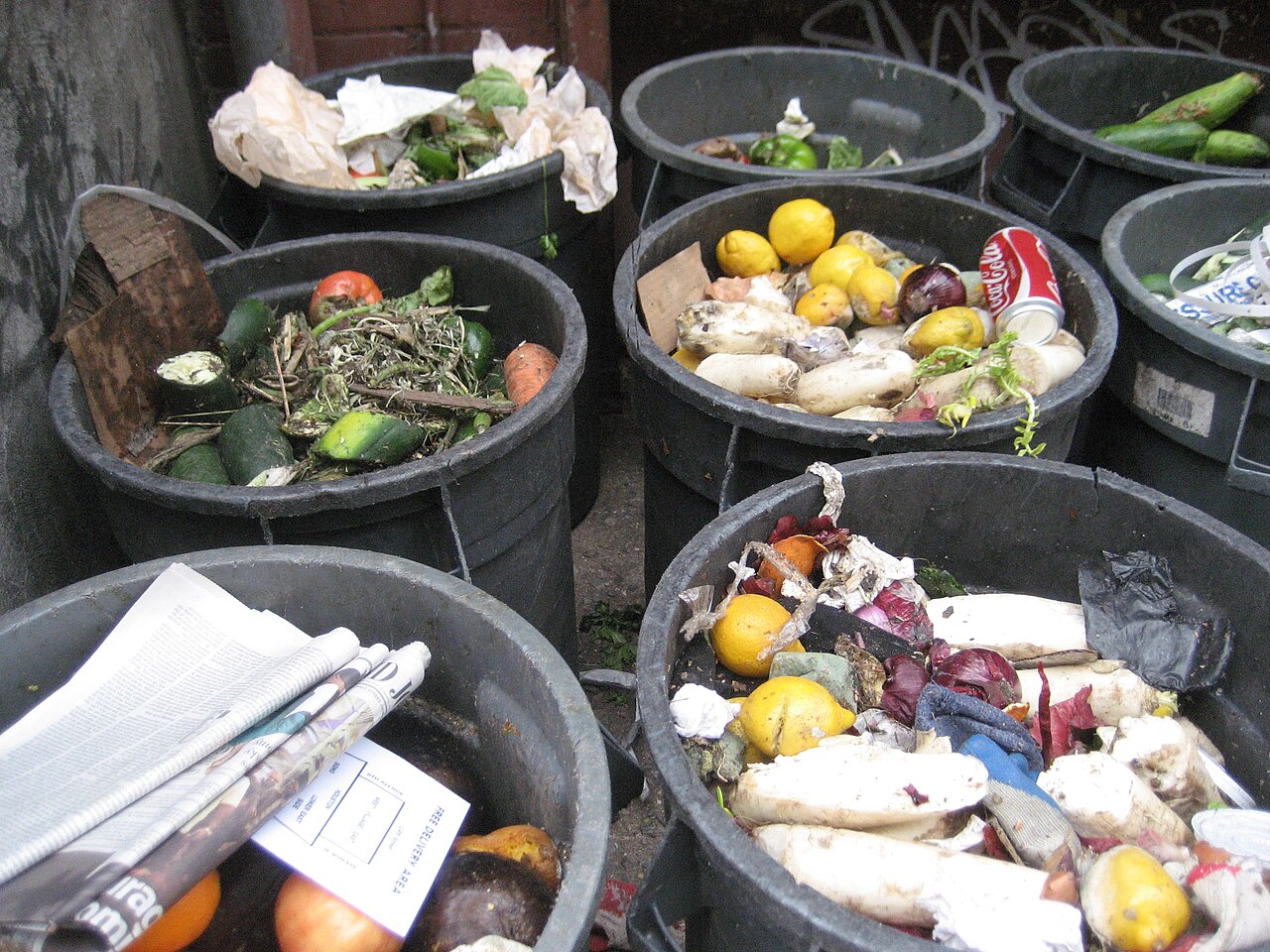
Picture a family of four sitting down to dinner every night this week.
Now picture a second household buying the exact same groceries and tossing half a bag straight into the trash before anyone touches it. That is not an exaggeration. It is, according to EPA data, close to what the average American spends on food every seven days without ever eating it. The bill has finally been tallied, and it is far larger than most people expect.
Why the kitchen trash can quietly collects so much cash each week
The mechanism at play is not carelessness so much as optimistic buying behavior. People shop for the meals they intend to cook across a busy week, not the meals they actually cook. The produce sits, the dairy opens, and the gap between ambition and reality turns into a slow financial drain that almost nobody tracks as a line item in their budget.
Food prices have risen more than 50 percent since the old federal estimate was published, and the cost of what Americans throw away has risen right along with them. The arithmetic behind the gap is straightforward, and it compounds with every grocery run.
Most people underestimate how much food they waste. Studies consistently show that consumers believe they discard far less than they actually do, which is precisely why the dollar figure lands with such force when they finally see it.
The food categories draining the most money, and where it adds up fastest
The EPA report breaks the cost down to roughly $14 per person per week. For a household of four that amounts to about $56 a week in food that goes uneaten, totaling $2,913 over a year, approximately 11 percent of the average family’s entire food budget.
That is not a rounding error. It is a meaningful slice of household spending that simply disappears.
Meat and dairy products are among the commodity categories that carry the greatest dollar cost when wasted. Both are expensive per pound and both spoil on a hard deadline. Fruits and vegetables, meanwhile, make up a large share of total food waste by volume, and perishables including fresh produce, dairy, meat, seafood, and bread account for the bulk of what households discard uneaten. The foods people buy with the best nutritional intentions are consistently the same foods most likely to expire before they are eaten.
Where the evidence comes from and how the calculation was built
The EPA report released in April 2025 put the annual food waste cost per person at $728, nearly doubling the previous federal estimate of $1,500 per household that had been cited for over a decade and was based on grocery prices from 2010. That earlier figure came from a 2014 USDA analysis by Buzby et al. The EPA analysis counts both groceries and prepared foods purchased at retail stores or food service establishments that are not ultimately consumed, using the latest available pricing data.
The underlying supply figures draw on the USDA’s Loss-Adjusted Food Availability data series, which tracks what food enters the supply chain and what share reaches a plate. Researchers note that financial awareness can be an effective motivator for reduction, which is why consumer education campaigns increasingly cite the direct cost to individuals rather than abstract national totals.
As grocery prices have risen, some Americans have already begun reducing their food waste to stretch tighter budgets. But the overall scale of the loss remains substantial: EPA estimates that in 2019, 66 million tons of wasted food was generated in the food retail, food service, and residential sectors, and most of this waste (about 60%) was sent to landfills.
Where the $728 figure runs into its own limits
The calculation captures what consumers pay for food they never eat, but it does not account for the full chain of invisible costs that stack on top. The time spent shopping, the trips made for items that spoil before use, and the replacement purchases that follow are all outside the scope of a strict food-cost model.
Americans who dine out regularly carry a parallel version of the same problem. Restaurant portions often exceed what one person can finish, and the leftovers that ride home in takeout containers frequently meet the same fate as the zucchini in the crisper drawer.
Global data from the United Nations Environment Programme estimates household food waste at around 74 kilograms per person per year on average worldwide. Households and restaurants together account for the overwhelming majority of consumer-level food waste, meaning the personal kitchen is only part of the story.
There is also a behavioral ceiling on how much a dollar figure alone can change habits. Consumer researchers who study unspent household savings find a similar pattern: awareness rises sharply, but follow-through demands a system change, not just a statistic.
What a family of four could realistically recover, and what is still open
Cutting the waste figure by even a third would save a family of four roughly $1,000 annually, money currently being spent on food, carried home, stored in the refrigerator, and thrown away without ever reaching a plate. That is large enough to register as a real household budget decision.
Practical guidance from food researchers points toward buying fewer items more frequently, storing proteins toward the front of the refrigerator where they stay visible, and treating what is already in the kitchen as the starting point for each week’s meals. None of these require spending money.
The larger question the EPA report leaves open is whether the new, doubled dollar figure will shift consumer behavior in ways the old estimate never managed. The previous figure had been cited for over a decade, meaning a generation of public messaging rested on a number that had quietly fallen far behind reality. Now that the math has been updated, the test is whether a sharper price tag finally makes the cost of a forgotten bag of salad feel like what it is: real money, spent for nothing.
