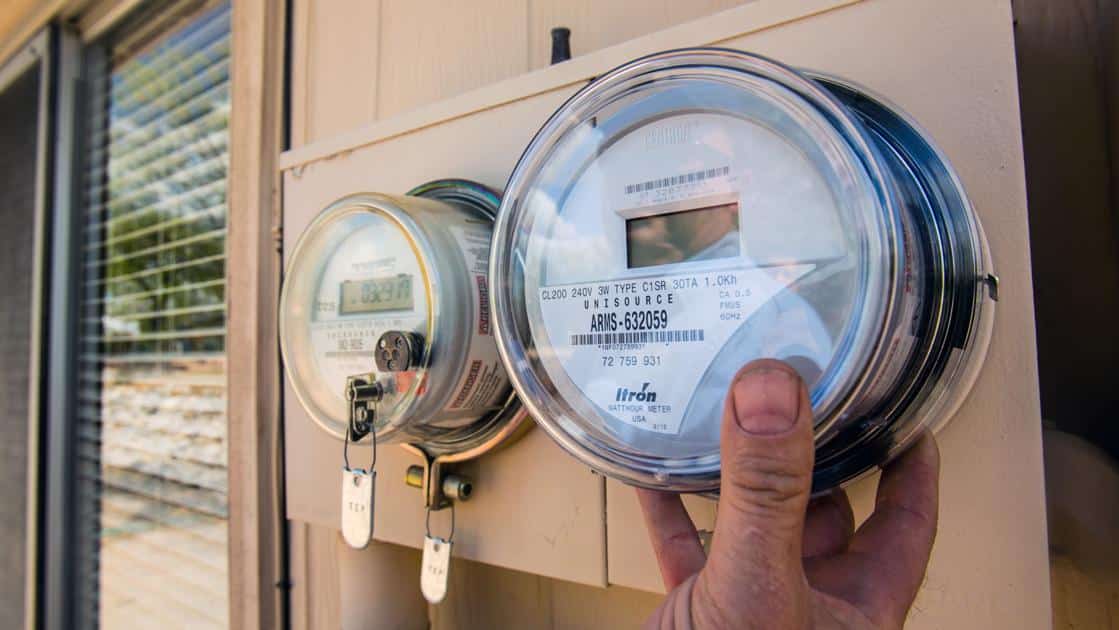
Arizona utility regulators are set to vote November 17 on a Tucson Electric Power rate increase, along with a new mechanism that would let the company adjust rates every year without a full rate case. An administrative law judge recommended an 11.2% average residential bill increase, but TEP has since amended its request to 9.8% after factoring in the judge’s proposed reductions.
If approved, the changes could take effect December 1.
What the judge recommended
The vote follows a recommendation from Administrative Law Judge Julia L. Matter, who issued a 278-page order on October 20 , according to AZ Luminaria.
The case has been pending since TEP filed it in 2025, originally seeking a larger increase.
The administrative judge said that TEP’s proposed rate structure was scaled appropriately, meaning an average monthly bill increase of 11.2% .
According to the Arizona Daily Star, Tucson Electric Power is seeking a nearly 10% rate increase from the Arizona Corporation Commission, and TEP’s final proposal to the commission would increase an average customer’s monthly bill by about $13.50 . However, after the judge’s order recommended reducing the total amount TEP can recover through rates, the overall impact on bills is an increase of about 9.4%, said TEP spokesman JD Wallace, before TEP filed an amendment seeking a slightly higher 9.8% instead .
The company had originally sought considerably more when it filed, with TEP originally requesting a 14% rate increase when the case was first filed in May 2025 .
A new annual rate formula is the real flashpoint
Beyond the headline percentage, the case centers on whether Arizona should let TEP switch to an Annual Rate Adjustment Mechanism, or ARAM, a formula that would update rates every year instead of through the traditional multiyear rate case process.
The company is requesting a process called an Annual Rate Adjustment Mechanism, or ARAM, which updates rates every year , allowing utilities to adjust rates up or down annually based on a formula approved by the Arizona Corporation Commission.
The judge’s recommendation endorsed the idea, arguing it would improve regulatory efficiency.
Not everyone is convinced. Pima County, the City of Tucson, the Attorney General and the Residential Utility Consumer Office all weighed in during the process to voice their concerns about a double digit significant rate increase for Southern Arizona communities.
The Arizona Attorney General’s office objected to the size of the increase. In testimony filed with the commission, the office argued “TEP can achieve the same reliability with just a 4% increase by aligning what customers pay with TEP’s actual costs.”
Return on equity and legal costs also in dispute
The Residential Utility Consumer Office, a state agency that represents residential ratepayers and intervened in the case, has raised separate concerns about how profitable the new rates would let TEP become.
RUCO’s rate expert told Arizona Public Media that the agency is concerned about the return on equity, or the rate of profit that regulatory commissions allow an investor-owned utility to earn on its capital investments, in addition to the percentage increase and authorization of the ARAM .
The office had recommended a lower profit margin than the judge ultimately endorsed, with RUCO recommending a ROE of 9.2% or 9.0% if the ARAM was authorized .
RUCO also flagged the cost of the litigation itself. TEP requested more than $1 million for its rate case expense, which is what it costs the company to essentially prepare for and try the rate case, and the rate case expense is built into the rate that the utility is requesting.
Why the vote matters beyond Tucson
TEP is not the first Arizona utility to pursue this kind of annual rate formula. The Arizona Corporation Commission recently approved its first ARAM for UNS Gas, which is also a subsidiary of TEP’s parent company, Fortis , at the Commission’s February 19, 2026, special open meeting, when it voted 4-1, with Commissioner Lea Márquez Peterson dissenting, to approve UNS Gas, Inc.’s application to implement the mechanism .
If commissioners approve it for TEP’s roughly 455,000 customers in Pima County and the Fort Huachuca U.S. Army base in Cochise County , it would mark a broader shift away from traditional multiyear rate cases toward yearly formula-based adjustments.
Other state regulators are likely to watch the model closely as utilities nationwide push to modernize aging grids, much as this site has reported on a Virginia fuel bill spike and on Maryland’s EV charging rollout.
The commission’s November 17 meeting will determine whether the judge’s recommendation stands, with commissioners able to approve or reject it, and if approved, the rate increases would go into effect Dec. 1 .
