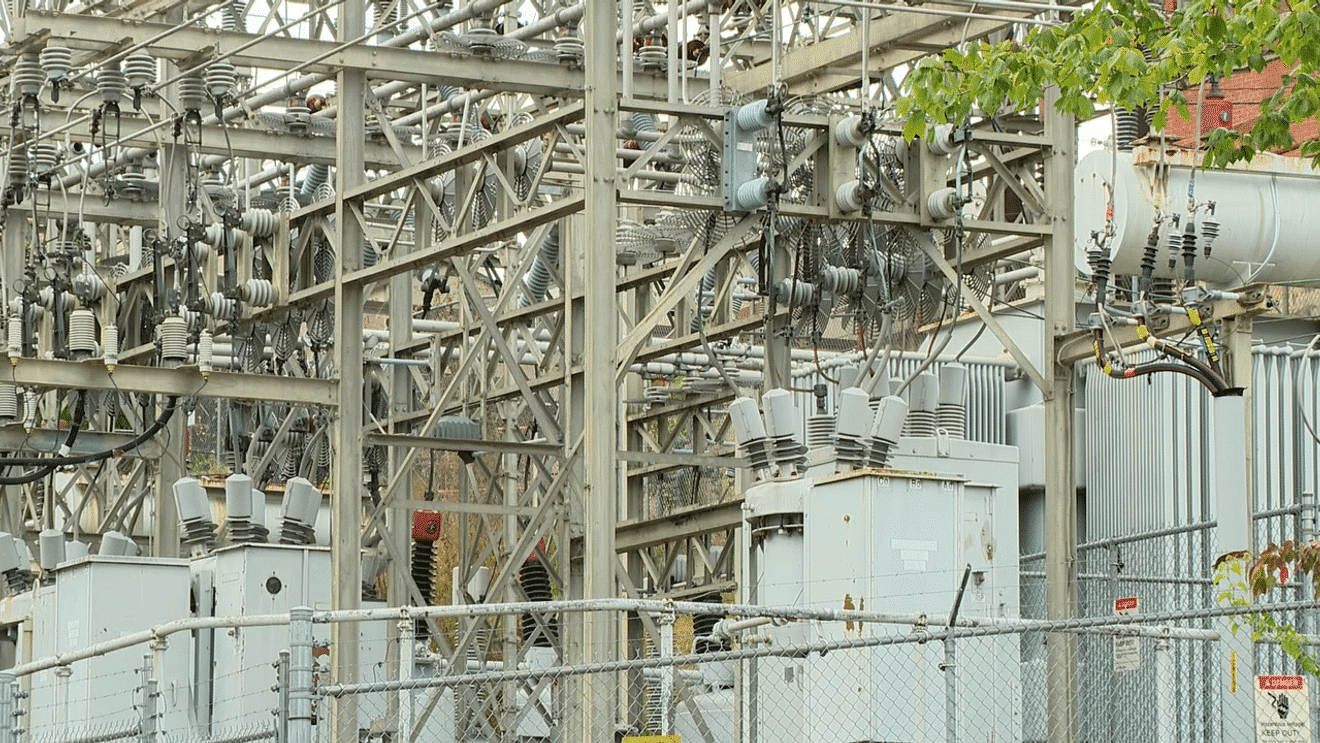
California’s three largest electric utilities must now use a single, shared modeling framework to plan grid upgrades for electric vehicle charging along the state’s highway corridors, under a proposed decision from the California Public Utilities Commission.
The ruling, detailed in a proposed decision published this month in Rulemaking 23-12-008, requires Pacific Gas and Electric, San Diego Gas and Electric, and Southern California Edison to align how they forecast and plan for charging demand before it strains local distribution circuits.
What the decision requires
The commission’s order directs the three utilities to adopt a common set of assumptions and a shared methodology, rather than each company running its own separate forecasts.
Collectively, these modeling tools are called Transportation Electrification Proactive Planning Inputs & Assumptions and Corridor Disaggregation Methodology.
The goal is to let planners break down statewide EV adoption projections into corridor-level and even circuit-level estimates of future charging load, rather than relying on broad regional averages that can miss local bottlenecks. These modeling tools disaggregate transportation electrification loads from the California Energy Commission’s Integrated Energy Policy Report, providing localized insights to identify the location, size, and timing of expected transportation electrification load growth along public highway corridors in California for use in existing planning processes.
That kind of granularity matters because a single highway rest stop that adds a bank of fast chargers can push a local distribution transformer well past its original design limit, something utilities and researchers have flagged as a recurring constraint on charging buildouts nationwide.
Why grid planners are moving first
The shift comes as EV charging keeps adding measurable load to the grid even though vehicle sales growth has cooled. Federal data have shown that pattern playing out nationally.
The U.S. Energy Information Administration estimated that light-duty electric vehicles in the United States consumed 8% more electricity during the first six months of 2026 than in the last half of 2025, down from the 13-24% growth seen in six-month periods in recent years.
The slowdown traces back to a single policy change: EIA reported that the slowdown in EV electricity-consumption growth followed a decline in new EV sales after federal tax credits expired in September 2025.
Even with slower growth in new sales, the EIA’s own data confirm that the installed base of vehicles keeps driving up total consumption.
US light-duty EV electricity use has more than doubled since the first half of 2023, totaling nearly 14 billion kilowatt-hours during the first half of 2026 , according to the EIA’s Monthly Energy Review.
That steady climb in baseline demand is part of why California regulators want utilities planning years ahead of where chargers will actually get built, rather than reacting after a developer applies for an interconnection.
The planning challenge is not unique to California. Other utilities have taken different routes to the same problem, from off peak pricing shifts aimed at moving charging load off peak hours to automated charging programs that let a utility directly manage when a vehicle draws power.
Corridor by corridor planning
Under the new framework, the three utilities will use the agreed methodology to disaggregate statewide EV adoption forecasts down to individual highway corridors.
The commission says this will help identify where upgrades to substations, feeders, and transformers need to happen before a corridor’s charging capacity is exceeded.
The approach is meant to give charging network developers, local governments, and the utilities themselves a common baseline for negotiating where new infrastructure can connect to the grid without lengthy, case-by-case studies. The modeling tools are also meant to serve as inputs to ensure consistent forecasting and scenario building across existing planning processes, including the distribution planning process and transmission planning process.
Why it matters for the broader grid
California has more registered electric vehicles and more public charging locations than any other state, which has made its utilities an early testing ground for how distribution systems absorb fast-growing, geographically concentrated charging load.
A standardized planning tool lowers the risk that each utility arrives at a different answer for similar corridor conditions, and it gives state regulators a consistent basis for reviewing future rate cases tied to charging infrastructure spending.
The decision does not itself authorize new utility spending. Individual upgrade projects identified through the shared modeling will still need to clear their own regulatory review, following a path similar to the one regulators used in a recent Oregon rate case, where PacifiCorp filed a settlement cutting its Oregon rate case request to $132 million, down from an original $171 million ask , after infrastructure costs were scrutinized line by line before approval.
