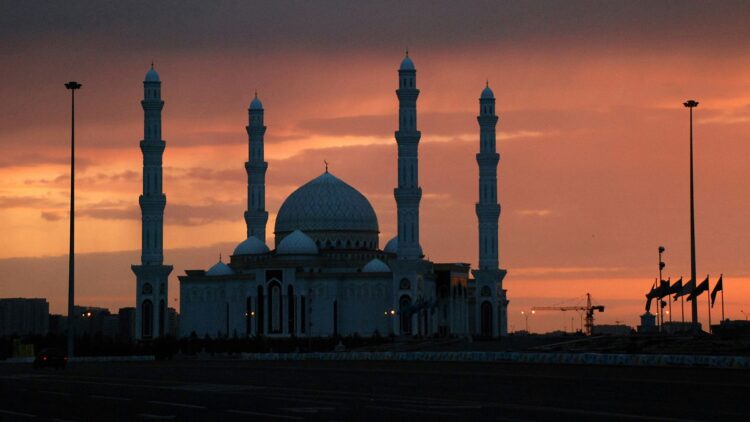
This week, European Council President António Costa will travel to Astana, Kazakhstan, as the EU attempts to strengthen its relations with Kazakhstan and the entire Central Asian region. This trip coincides with the 10th anniversary of the EU’s Kazakhstan Enhanced Partnership and Cooperation Agreement (EPCA), the first and fundamental agreement that has governed the EU’s relations with Kazakhstan and the EU’s political, economic, and military relations with Kazakhstan since 2015.
Deepening growing partnerships between the EU and Central Asia
This trip aims to further deepen Kazakhstan’s growing partnership with the EU in Central Asia and is a significant sign of recognition of the impact and importance of their collaboration. The EPCA is the first of its kind to be signed between the EU and Kazakhstan, which also allows the negotiation of 29 policies on other vital areas of cooperation, such as trade and investment, energy, the environment, and fundamental freedoms.
Costa is visiting Kazakhstan during a time of new geopolitics. The EU is attempting to realign its foreign policy as a result of new global issues, such as the Russia-West conflict and the increasing influence of China over Central Asia. By increasing trade and diplomatic relations with Kazakhstan, the EU is seeking to strengthen its presence and influence within Central Asia, previously dominated by Russia and China.
Energy negotiations and economic diplomacy will be the highlight of Costa’s visit
The European Council is indicating that the purpose of Costa’s visit is to strengthen partnerships in the areas of green energy, mobility and transport, digital transformation, and security, as these areas are important for the EU’s Global Gateway initiative, focused on new and more sustainable global partnerships and sustainable infrastructure. Kazakhstan is a major oil and uranium producer, while the EU is trying to enhance the import of critical raw materials for clean technologies, including rare earths.
Apart from economic matters, Costa’s visit also demonstrates the EU’s interest in strengthening political dialogue in the Central Asia region and advancing political stability in the region. In the context of the EU, in the interest of regional Astana’s position as a mediator in other regional disputes and as a supporter of multilateralism, the EU considers Astana a defending partner for the promotion of peace, security, and respect for the Rule of Law in the region.
Conversations around changing security landscapes in the EU and Central Asia will also be at the forefront
Regarding the upcoming visit, meetings with Kazakhstan President Kassym-Jomart Tokayev and other senior staff and officials are anticipated. There is an expectation of a discussion not only on the two participants of the meeting, the bilateral relations, but also on other issues, including Afghanistan and other related issues in the region, and the changing security environment.
Kazakhstan is building stronger ties with Europe with the efforts of the EPCA
Costa’s upcoming visit has significant symbolic value for the 10th anniversary of the EPCA. From Kazakhstan’s perspective, the EPCA is an important building block in Kazakhstan’s foreign policy, allowing the country to anchor its relations with Europe and diversify its international relations. From the perspective of the EU, the EPCA has served as a template for the EU’s relations with other countries in Central Asia, demonstrating the value of long-term cooperation.
Costa’s visit to Kazakhstan will probably start a new chapter in relations between the European Union and Central Asia. As the world’s balance of power continues in a new direction, Brussels wants to ensure its partnerships in the area are adaptable and focused on the future. More generally, the visit signals Europe’s determination to remain a relevant actor in the geopolitical game in Central Asia, offering the protective influence of European values as a sustainable and inclusive counterbalance to the other dominating powers of the region.