Beyond the traditions already known throughout Australia and the world, the arrival of 2026 occurred amidst a climate of caution, with security measures reinforced after a recent terrorist attack. But even in this context, the Australian population refused to stay confined at home, with millions of people deciding to take to the streets to celebrate the arrival of the new year.
Australia did not fail to celebrate the arrival of 2026, but did so cautiously
Sydney, once again, became the main hub for New Year’s celebrations in Australia, but this time with a necessary difference, focused on heightened attention to the event. The city welcomed over a million people, less than three weeks after the terrorist attack on Bondi Beach that killed 15 people. As a result, a reinforced security scheme was in place, with more than 2,500 police officers.
Despite all the organized planning and measures taken to ensure the safety of the population, authorities declared that there was no anticipated risk of attack during the New Year’s celebrations. The objective was simply to ensure that the population could celebrate peacefully, serving more as a precautionary measure due to the events of the previous weeks than as a response to a possible threat.
A city on alert, but determined to celebrate safely
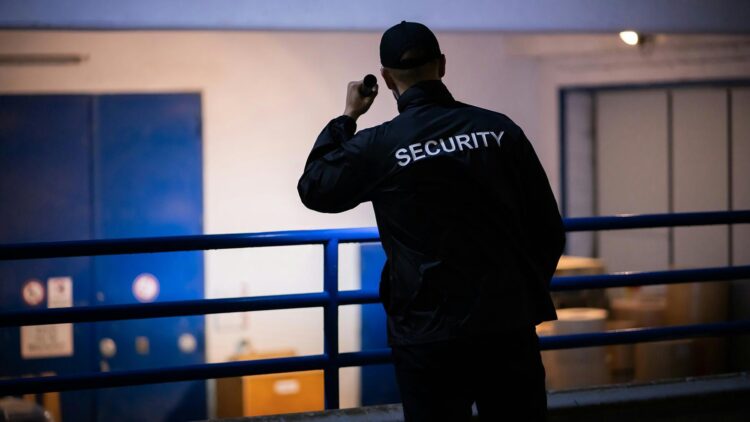
The two traditional fireworks displays in Sydney attracted families, tourists, and residents to the harbor for their traditional celebrations. Many remained after the initial show, waiting for the official New Year’s countdown. At Mrs. Macquarie’s Chair, approximately 10,000 people occupied the space, and, simultaneously, crowd control was carried out by private security guards, while specialized police teams monitored the sea and the airspace.
Crowds celebrate in different cities, despite weather and restrictions
The celebrations took place in various parts of the country, with each city organizing itself to face its own climate and challenges. In Brisbane, around 90,000 people had to welcome the new year with heavy rain on the banks of the river to watch the fireworks, which had to be brought forward. In Canberra, too, storms threatened to cancel the events, but the sky cleared in time for around 50,000 people to watch the pyrotechnic show.
Hobart combined traditional fireworks with the Taste of Summer festival, while in Adelaide, crowds flocked to the city center and also occupied beaches like Glenelg to enjoy the attractions organized for each location. Melbourne had around half a million people in its center, with streets closed and traffic controlled by the authorities.
Perth was not far behind in the celebrations, with events that included concerts, DJs, food trucks, and fireworks over the Swan River. The presence of armed police officers was also noteworthy, but was described as a proportionate measure. In Darwin, even with unstable weather, the fireworks at the Waterfront went ahead as planned.
Respect for safety and tributes marked the arrival of the new year
Although some events took place under unfavorable weather conditions, unfortunately, there were examples of cities that had to cancel the celebrations. In Wollongong, the 9 pm fireworks display had to be canceled due to dangerous sea conditions. In Sydney, a minute of silence honored the victims of the Bondi attack, while images of a menorah were projected onto the Harbour Bridge, and the public was invited to light up their cell phones in solidarity with the Jewish community.
Less than three weeks after a terrorist attack in the country, Australia demonstrated resilience in celebrating the new year, but without disregarding the need for security after the attack. The arrival of 2026 was duly enjoyed in the country without compromising the safety of the population.