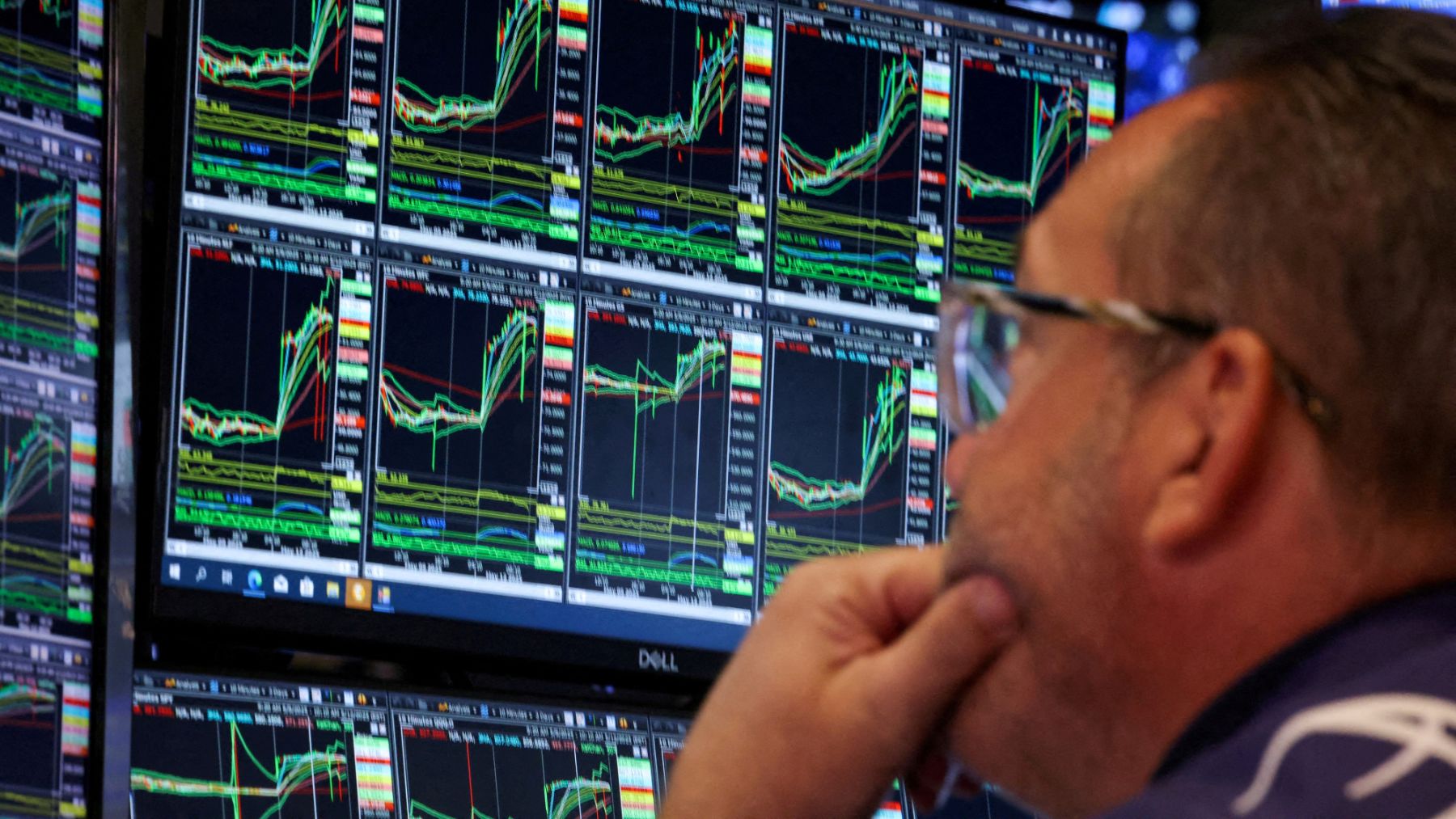
Nivea’s parent company, Beiersdorf, recently saw a significant drop in its share price, an impact that can be explained by economic factors, shifting consumer behavior, and international political decisions. This decline diminishes the company’s expectations regarding its growth and its ability to sustain good performance amid ongoing global economic changes and inherent market difficulties.
Revised guidance shakes market confidence
Nivea-maker Beiersdorf’s BEIG.DEshares fell 10% on Wednesday after the company lowered its 2025 sales growth forecast late on Tuesday and warned of difficult market conditions. Economic volatility and “consumer anxiety” stemming from U.S. President Donald Trump’s tariff policies and an uncertain economic outlook are encouraging shoppers to watch their spending and stretch their budgets, impacting consumer goods firms.
Beiersdorf lowered its outlook for organic sales growth to 3%, from a previous target of 4%-6%. It now expects 3%-4% growth in the consumer segment from a previous target of 4%-6%. The group forecast EBIT margin growth at its consumer business of 20 basis points (bps) against the previous year, down from a previous target of a 50 bps rise.
A good logistics strategy to try to reduce the impact of tariffs
The strategy of bringing forward shipments to the United States demonstrated Beiersdorf’s operational agility in the face of unforeseen protectionist measures. Even so, it’s a temporary solution that doesn’t fully resolve many of the structural issues raised by increased shipping and import costs. The impact on the La Prairie brand, in particular, raises significant concerns about the long-term competitiveness of the company’s premium line in the competitive North American market.
Beiersdorf has softened the impact of U.S. tariffs by shipping products to the United States ahead of the onset of the import duties, its finance chief, Astrid Hermann, said on Wednesday. Goods from Switzerland, where its anti-aging skincare brand La Prairie is produced, were hit by a 39% U.S. import tariff last week.
Local production reduces exposure, but uncertainties remain
Management recognizes that the situation can change rapidly, requiring constant adjustments to the supply chain and strategic market positioning. The modest sales growth in the first half of the year, while positive, indicates that the company still faces persistent difficulties in converting its global scale into a sustainable competitive advantage in the face of evolving new international trade dynamics.
A very large portion of Beiersdorf products sold in the U.S. are produced in Mexico or the U.S. and are thus not impacted by the tariffs, though that may change, Hermann said.
“At the moment it is still quite a small impact, and especially this year, as we have mitigated as much as we can by shipping earlier to the U.S. over the last few months,” Hermann said.
She added that the company hoped ongoing negotiations between Switzerland and the U.S. would produce a better picture. Beiersdorf reported a moderate rise in sales in the first half of 2025 on Wednesday, despite slower market growth in the second quarter. The company said its half-year sales rose 2.1% organically to 5.19 billion euros ($6.01 billion) from 5.18 billion a year earlier.
Company performance in the coming months to test Beiersdorf’s strategic measures
Faced with an uncertain economic environment and geopolitical pressures directly affecting its production chain, Beiersdorf is entering the second half of 2025 with a more cautious stance and heightened attention to market signals. The revised targets, although poorly received by investors, aim to align expectations with market reality. Now, we must closely monitor the company’s performance over the coming months, which will be key indicators to understand whether the measures discussed are effective or whether a new, more adaptive strategy will be necessary to improve the company’s long-term performance.
GCN.com/Reuters
