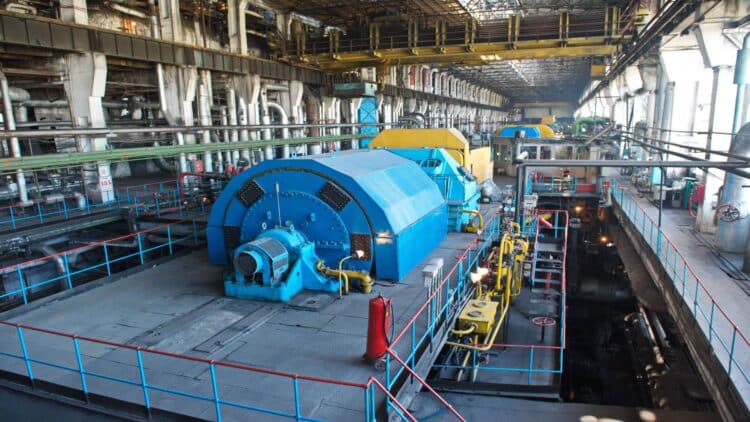
Chevron Corporation is setting up its initial power production unit that will focus on supporting the data centers used for artificial intelligence in the region of West Texas. This 2.5-gigawatt gas-fired power plant is quite the departure for the energy firm since it will no longer simply provide gas supplies for electricity but produce electricity directly. Chevron Corporation is clearly on the cutting edge of the evolving infrastructure for artificial intelligence.
Permian Basin location capitalizes on gas infrastructure
The project is intended for the Permian Basin in the state of Texas. This will help Chevron exploit its gas production chain. Chevron New Energies is behind the project. It leverages the company’s years of operating history and gas production know-how. This offers the company an advantage in terms of its proximity to the energy infrastructure and natural gas resources.
Talking to Bloomberg on the sidelines of the event was Jeff Gustavson, the head of Chevron New Energies. He pointed out the unique aspect of the company’s business in the Permian Basin. It holds interests in one-fifth of the wells in the Permian Basin. This also allows the company access to the relevant data for the optimization software used by the company.
Important project benefits comprise:
- Strategic location: Direct access to gas resources in the Permian Basin
- Infrastructure in place: Makes use of the existing production networks
- Data advantage: Interest in 20% of regional wells allows for operational insight
- Expansion potential: Initial 2.5 GW capacity to 5 GW
Behind-the-meter model bypasses the constraints of the traditional grid
It will employ a behind-the-meter setup where the power is directly supplied to the co-located data centers. By employing such an arrangement, Chevron can circumvent the normal limitations posed by the utility companies. Such an energy model indicates a paradigm shift in the generation of electricity for the massive computing sites.
Chevron is in exclusive negotiations with an unnamed data center firm for the project. However, the terms of the deal are not publicly known. It appears that the company has yet to announce the specific location for the project. Additionally, the processes involved in selecting the contractor for the project have not been publicly announced. The business is expected to start operations in 2027.
Model of direct power supply: Multiple advantages
The behind-the-meter setup also avoids the transmission losses and the issue of reliability that are experienced in the normal course of running a data center. This setup also ensures the availability of power for the mission-critical tasks of the AI system. Chevron’s setup might also become the benchmark for future developments in the sector in regions like West Texas that are energy resource-rich.
Strategic expansion leverages the core partner network
This specific project in the West Texas region leverages the Chevron February 2025 partnership deal with GE Vernova and Engine No. 1 to develop four natural gas-fired power plants for the data centers in the United States. This larger initiative will employ GE Vernova 7HA gas-fired turbines in the data center locations outside of Texas. Locations for the sites have not been named.
This news coincides with the observation that applications of artificial intelligence are causing unprecedented demands for computing capabilities and electricity supply. Experts warn against the possibilities of overcapacity if the projected buildout for data centers fails to come to fruition. Concerns about too much gas infrastructure have been raised by the Institute for Energy Economics & Financial Analysis.
Chevron’s foray into the data center power market is also a deliberate wager on the future outlook for the applications of artificial intelligence. Chevron’s strength in natural gas production positions it perfectly to succeed in the data center power market. Additionally, its business model in the data center market might raise the bar for the industry’s dedicated power generation solutions.