
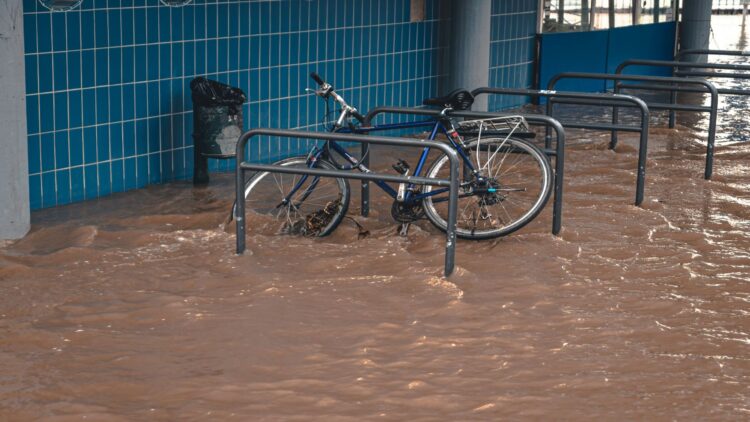
As the heavy downpour continues in Southeast Asia, floods have killed over 240 people and displaced hundreds of thousands. With torrential rains unable to let up, officials warn that the death toll is likely to rise as rescue teams are unable to access the remote areas that are completely submerged under water. Authorities state that the floods are amongst the worst in history and have devastated Thailand, Vietnam, Cambodia, and Laos. Entire villages have been swept away as rivers have overflowed.
Provinces are underwater
In Thailand, dozens of provinces are underwater, and thousands have been evacuated to temporary shelters. There is also severe damage to infrastructure in Vietnam, which includes bridges collapsing and highways becoming impassable, contributing to the blockage of rescue and aid vehicles.
Cambodia and Laos have also been devastated as farmland has been flooded by rivers, and homes are being destroyed. There are more than 1.5 million people suffering from humanitarian crises such as a lack of clean water, adequate food supply, and basic healthcare.
Authorities don’t know how to adequately respond to the overlapping crisis due to the flooding, emergency shelter overcrowding, predicted waterborne disease outbreaks, and the severe understaffing of emergency shelters by medical agencies. As more and more resources get pulled by international support agencies, local governments get more and more overwhelmed by the enormity of the crisis and the scaled emergency support needed.
The financial impact is likely to be enormous
Initial forecasts estimate massive destruction of residences, highways, and farmland, especially agricultural land. A large proportion of rice, which is grown in the affected provinces and is crucial to the area’s food security, has been lost. This raises the costs of rice and the overall food supply.
Flooding highlights the increasing vulnerability of Southeast Asia to climate-related disasters. Drastic flooding has complex, negative developmental impacts on economies dependent on agriculture.
As temperatures increase, the flooding of agricultural land and rice crops is predicted to be more severe. These changes to agricultural land flooding will impact the availability of developed climate change mitigation.
Climate analysts are saying,
“This is more than a natural disaster. This is a wake-up call. Rapid urbanization, poor drainage systems, and climate change together create a recipe for disasters and flooding.”
Regional governments pledge to facilitate investment and strengthen built flood defenses
Regional governments pledge to facilitate investment and strengthen built flood defenses, as well as invest in sustainable infrastructure and other systems. Critics, however, assert that the climate adaptation policies have fallen too far behind in the face of worsening disasters.
Witness accounts of the unfolding catastrophe are disturbing. “The water level rose so quickly that we barely had time to take our children,” said a northern Thailand dweller living in a provisional shelter. “We lost everything we had.”
While search and rescue operations are ongoing, the need to implement appropriate measures to address recovery and disaster risk reduction is already evident. Regional Leaders are expected to focus on climate adaptation and disaster preparedness for the coming world. Proposed measures include resilient built infrastructure, integrated flood management, and insurance systems for at-risk communities.
We are having a huge discussion about the costs of climate change while the floods are happening at the same time. The world, including Southeast Asia, is suffering from the impact of climate change, particularly from typhoons, droughts, and rising sea levels, so the costs are extremely high. Since more rain is expected, authorities are encouraging people living in low areas to leave the area. Although Southeast Asia is in a climate crisis, the main concern with the climate crisis is surviving the extreme weather.
