The pitch is clean and simple: power from the earth, around the clock, with no fuel to buy.
No gas shipments, no coal trains, no price spikes tied to a foreign market.
Geothermal runs at a capacity factor near 66 percent, nearly double wind and nearly triple solar.
That number is real, and it earns the sale.
But the bill that arrives before the first watt ever flows is the part of the pitch that tends to get skipped. So what, exactly, are buyers and ratepayers actually agreeing to?
Why the upfront cost of geothermal is so much higher than any other clean power source
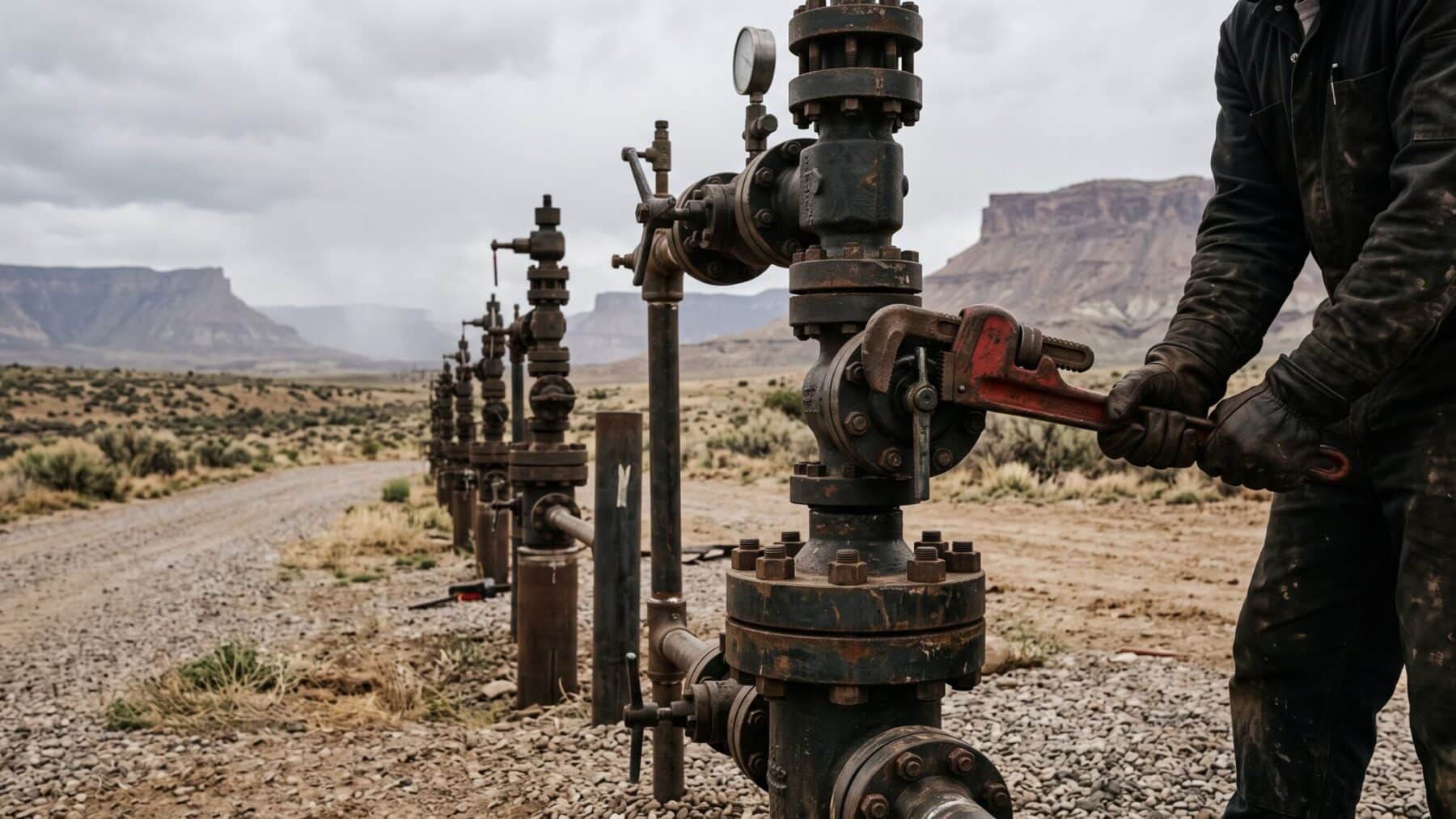
Every geothermal plant is essentially a mining operation first, a power station second. Geothermal electricity requires water or steam at temperatures between 300°F and 700°F, and plants are built where those reservoirs sit within a mile or two of the surface. Getting there means drilling deep into rock that resists every bit that touches it.
The deeper or hotter the target, the harder and slower that rock gets. Drilling can represent more than half of the total costs of a geothermal project. That is not a rounding error or an edge case.
Drilling activities account for 30 to 57 percent of the overnight capital cost to develop and install a plant, which means an accurate read on drilling cost is paramount in determining whether any project is feasible. The mechanism compounds: circulating extreme-temperature fluids through production wells and turbines creates ongoing corrosion and pressure stress, but those running costs are modest compared to the invoice that lands on day one.
What the capital numbers look like compared with wind and solar
Put the numbers side by side and the contrast is immediate. Geothermal flash plants carry average capital costs of roughly $7,000 per kilowatt, and binary plants reach $9,200 per kilowatt. Onshore wind runs about $1,700 per kilowatt and utility-scale solar about $1,600. A geothermal developer is committing four to five times more capital per unit of nameplate capacity than a wind or solar developer on the same grid.
That gap flows directly into the electricity price. In 2025, geothermal electricity cost $88 per megawatt-hour, about $10 to $20 more than onshore wind and solar, even though geothermal delivers far steadier output. The capital overhang is the reason, and the fuel savings never fully close it.
Enhanced geothermal systems, the next-generation designs that can be sited almost anywhere, carry even heavier capital costs. Progress is real: EGS costs have dropped by over 50 percent since 2021. The gap to wind and solar is still enormous.
The data behind the drilling cost problem and where it comes from
The US held the most installed geothermal capacity in the world in 2025, and generation is projected to grow from 15.7 terawatt-hours that year to 56 terawatt-hours by 2050. That projection assumes the drilling cost curve bends faster than it has historically. The historical record is sobering.
The DOE’s geothermal program has spent years and hundreds of millions trying to break that curve. In 2022, the National Renewable Energy Laboratory undertook a revision of the DOE’s baseline drilling cost curves but could not recommend updated curves, finding that actual project costs remained at or above the old baseline.
The most recent commercial data is more encouraging but still humbling. Drilling costs per well at Fervo Energy’s Cape Station project in Utah fell from $9.4 million to $4.8 million across four horizontal wells, a hard-won improvement. Yet millions per hole remain the norm. As NREL has concluded, economic viability is directly tied to overcoming the cost and risk of accessing subsurface heat.
Where the pitch holds and where it quietly breaks down
The fuel-free argument is not wrong. It just applies to the operating phase, not the construction phase. Once a plant is running, operating costs stay low and the absence of a fuel supply chain is a genuine advantage over gas or coal. The problem is reaching “running.”
For a standard 50-megawatt facility at a best-case conventional site, the capital commitment lands between $218 million and $223 million. Cooler resources, deeper drilling, or newer engineering can push costs two to five times higher.
As electric bills climb across the country, utilities weighing geothermal against cheaper-to-build wind and solar face a straightforward math problem: the no-fuel-bill advantage only pays back over decades, and rate commissions think in three-year plans. Even the capacity factor edge is conditional, as local resource degradation and scale formation on piping all chip away at the utilization number that anchors the sales case.
What the industry is doing about it and what remains genuinely open
The cost trend is moving in the right direction. Fervo Energy reduced drilling completion times by 70 percent compared with its first horizontal wells in 2022, with its fastest Cape Station well completed in just 21 days, directly cutting the primary cost driver. That kind of sustained improvement, replicated across the industry, is what would eventually flip the economics.
Federal money is helping de-risk the exploration phase. The DOE’s geothermal program has directed hundreds of millions toward characterization of promising prospects, while ARPA-E funds advanced early-stage research, underwriting high-risk work that private capital will not touch alone.
The honest open question is whether drilling costs can fall fast enough to compete with wind and solar on capital, not just on reliability. Geothermal delivers carbon-free, continuous power regardless of weather, a durable advantage in a grid adding more intermittent capacity every quarter. The question is whether developers and ratepayers can agree to absorb a larger upfront bill in exchange for reliability no solar farm can match at two in the morning.
