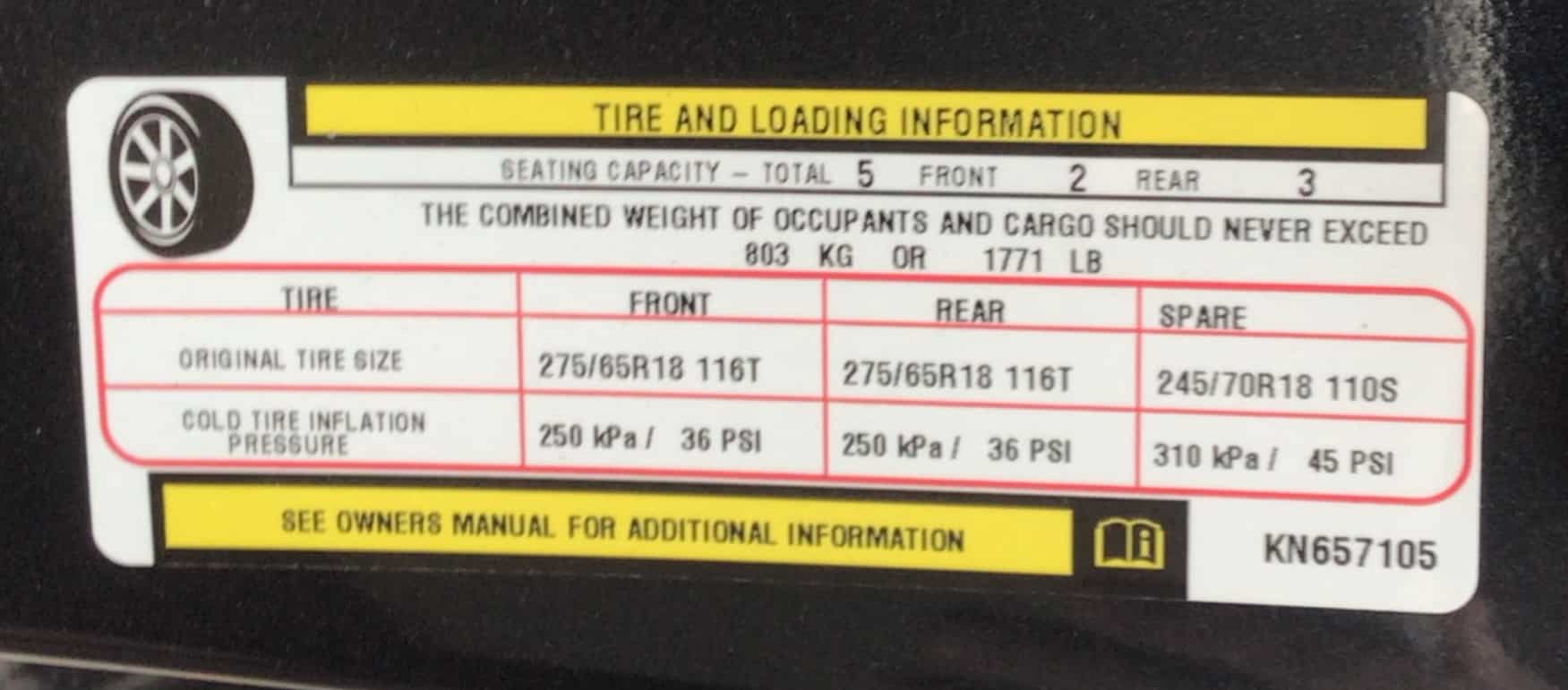
A truck salesman points at a sticker on the window and promises thirteen thousand pounds of towing muscle.
The buyer pictures a boat, a camper, a trailer full of lumber, all pulled without strain.
Nobody mentions the other sticker, the one hiding inside the door frame.
That second number tells a very different story about what the truck can actually carry.
It is the gap between those two numbers that quietly decides whether a loaded truck is legal or dangerously overloaded.
Why the brochure number and the real number almost never match
Every advertised max tow rating is built around a single best case setup, one 150 pound driver, an empty bed, and the lightest available cab and axle combination. The moment a second passenger, a tool box, or a hitch gets added, that theoretical ceiling starts shrinking fast. So the number that actually governs what a truck can safely pull is not the tow rating at all, it is the gross combined weight rating, the total allowed weight of truck and trailer together.
That real limit comes from subtracting curb weight and everything riding inside the cab or bed from that combined ceiling, using a towing calculator built around those figures. Because tongue weight presses straight down on the hitch, it eats directly into payload rather than the tow rating, and a trailer’s downward push typically runs ten to fifteen percent of its total loaded weight, meaning a seemingly modest trailer can still consume most of a truck’s remaining carrying capacity before anyone checks a number twice.
What that looks like in a real driveway, with real gear loaded
Picture a half-ton crew cab rated to tow around eleven thousand pounds, the kind of number that sells trucks off the lot. Two adults and two kids climb in, along with a cooler, a generator, and a weekend’s worth of camping gear, and that alone can burn through roughly seven hundred pounds of payload before the trailer is even hooked up.
Once a loaded trailer’s tongue weight is added on top, the real ceiling can drop toward 9,500 pounds, well short of the eleven thousand on the window sticker. None of that shows up anywhere near the price tag. It shows up on a small yellow and white placard inside the driver’s door jamb, the one federal rule requires every automaker to print with the exact combined weight of occupants and cargo that specific truck can carry.
That sticker is tied to the actual VIN, trim, and options on that one vehicle, not the version photographed for the ad. A loaded pickup or SUV hauling a trailer can look identical to its neighbor in the lot and carry a payload rating off by hundreds of pounds.
The hardest evidence behind the gap, and where it was measured
An analysis of 58 US pickup configurations whose manufacturers publish payload, GCWR, and curb weight found that the tow rating is binding on 98 percent of them when only the single 150 pound test driver is aboard, exactly the scenario used to generate the advertised max number. Once around 550 pounds of people, gear, and hitch hardware get added, payload becomes the binding constraint on 26 percent of those trucks.
Consumer Reports has published a similar breakdown using figures supplied directly by Chevrolet engineers, walking through how a 10,000 pound trailer, a 7,000 pound GVWR, and ordinary passenger and cargo weight stack up against each other. The accounting leaves far less room than the dealership number implied, and it explains why owners are told to check the sticker rather than trust the brochure figure alone.
Axle ratio alone can swing the real number by thousands of pounds on the identical body style. Consumer Reports found that switching to a shorter axle raised one Ram 1500’s tow rating from 8,240 pounds to 11,340 pounds, a difference buyers rarely notice until the paperwork is signed.
Where the gap matters least, and where it still trips people up
Heavy duty trucks built for commercial and farm work generally have far more breathing room. Three quarter ton and one ton models can carry payload ratings well past seven thousand pounds, so a loaded cooler and a few passengers barely dent the number, and the squeeze is tightest on half ton crew cabs, the single most common configuration sold to everyday families.
Most half ton pickups carry between 1,300 and 2,325 pounds of payload, a range that a loaded trailer hitch, a bed full of tools, and a family of four can consume before anyone leaves the driveway. Even experienced owners get caught by a simple framing error, one hypothetical that illustrates the trap well: a half-ton owner bragging about a 13,200 pound tow rating while sitting on a maxed out payload near 1,500 pounds, legally over the limit before the trailer ever touched the hitch.
