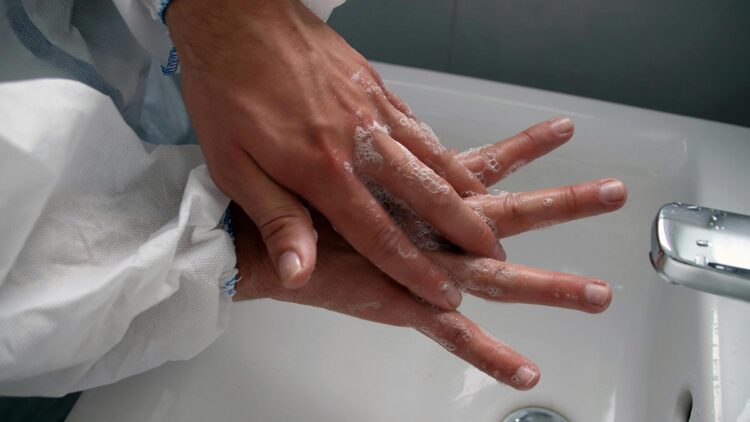
In 2026, the Malaysian Government intends to implement a new system of hygiene licensing for all commercial establishments in Malaysia. In addition to requiring businesses to operate under new public health policies and operational standards, the new hygiene licensing requirements will require businesses to achieve new levels of sanitation throughout the retail, hospitality, and food service industries. All commercial establishments including restaurants, hotels, malls, and service outlets, will have to meet the new hygiene standards through their licensing process.
The new hygiene licensing policy is intended to safeguard public health
According to officials, the new hygiene licensing policy is intended to safeguard public health, to minimize the spread of infectious diseases, and to build on Malaysia’s reputation as a clean and healthy environment for both residents and visitors. All businesses that fail to meet the new hygiene standards will risk having their operating license revoked, face fines, or be closed until they comply.
Another key feature of the new hygiene licensing requirement is the “BMW Toilet Standard”
The licensing, which has nothing to do with the vehicle brand, is intended to serve as a new benchmark for the cleanliness and maintenance of business restroom facilities. The “BMW Toilet Standard” will require that every business maintains restroom facilities that are “Bright, Modern, and Well-maintained.”
According to the Malaysian government, maintaining clean and well-maintained restroom facilities will reflect how a business operates in terms of overall cleanliness and sanitation. As a result, the government believes that requiring businesses to meet the “BMW Toilet Standard” will establish a new baseline for customer experiences and public health safety.
The new regulations will apply to a vast array of commercial enterprises
Although some commercial enterprises currently maintain very high hygiene standards, there may be others that will have to make major investments in upgrading their facilities, providing additional training to employees and establishing a monitoring program to ensure ongoing compliance.
Industry associations have reacted with varying degrees of enthusiasm to the announcement of the new hygiene licensing requirements. Many industry associations believe that the new requirements are an important step forward in protecting public health and enhancing Malaysia’s appeal to tourists.
However, several smaller businesses have voiced concern over the costs associated with meeting the new hygiene standards. In response, the government has indicated that it will provide phased implementation of the requirements and possibly assist financially to help businesses comply.
Routine inspections and audits of all businesses will be conducted by authorities
To monitor compliance with the new hygiene requirements, routine inspections and audits of all businesses will be conducted by authorities. In addition to conducting audits, businesses will be required to obtain certification to display at their premises indicating compliance with the new hygiene standards.
Failure to comply with the new hygiene requirements may result in the imposition of fines, revocation of operating licenses, or the mandatory adoption of corrective measures. To facilitate a smooth transition into compliance with the new hygiene requirements
The government has indicated that it will initiate awareness campaigns and provide detailed guidance to businesses regarding the new requirements. The decision of the Malaysian Government to require tighter hygiene regulations follows a world-wide trend to raise awareness of the risks to public health and to increase consumer expectations of cleaner environments.
Requiring higher hygiene standards represents a pro-active approach to public health and business responsibility
Businesses are urged to take immediate action to prepare themselves for the enforcement of the new hygiene standards in 2026. This will ensure compliance with the “BMW Toilet Standard” and other hygiene standards. Compliance with the new hygiene standards will not only be a legal necessity but also a source of competitive advantage for businesses in an increasingly health-conscious marketplace.