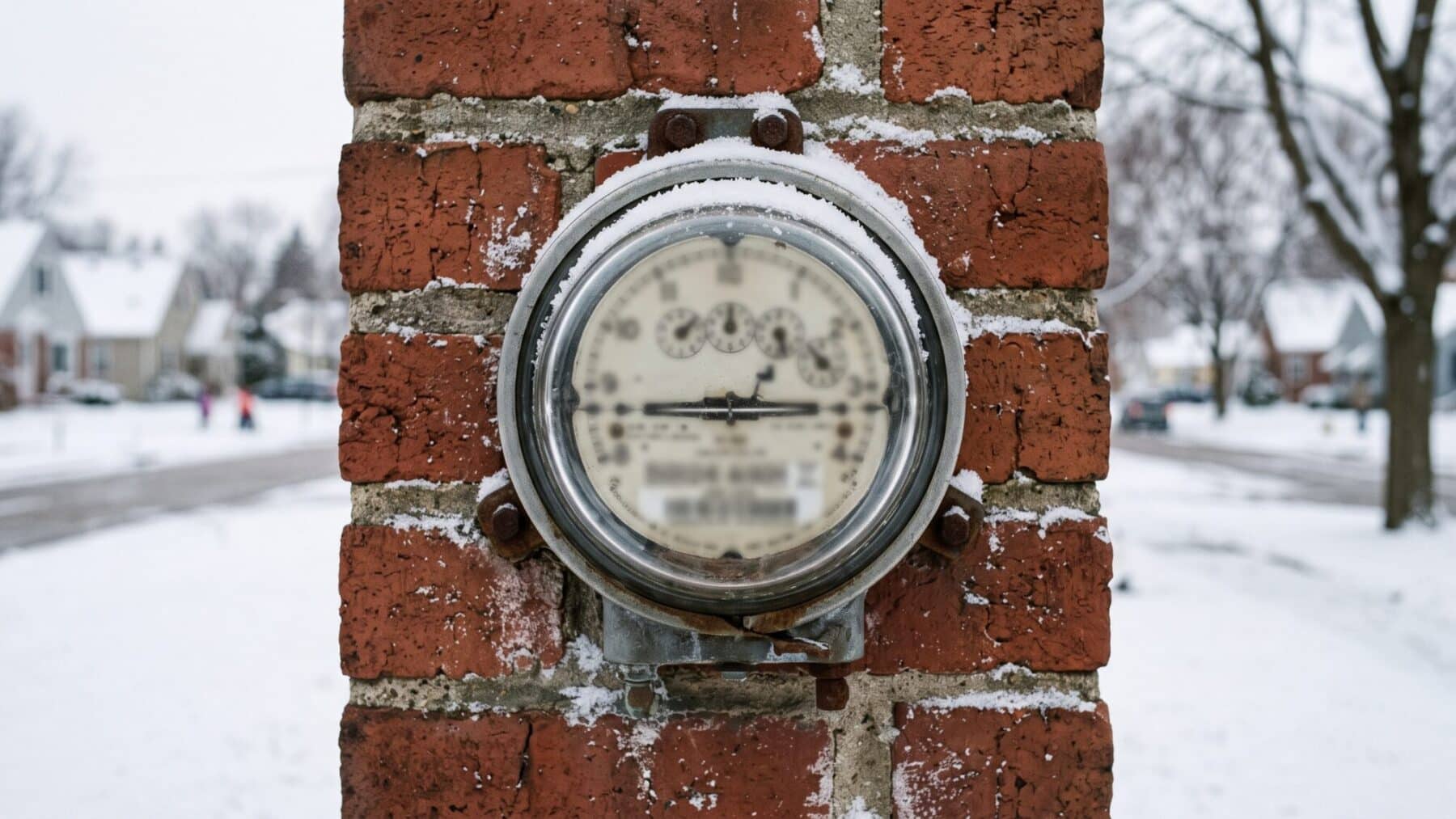
Picture a kitchen table in Lansing, a gas bill in one hand and an electric bill in the other.
Both numbers are bigger than last month, and bigger than last year. The meter on the side of the house hasn’t changed. What has changed, steadily and almost invisibly over two decades, is the rate structure behind those numbers. So why has Michigan’s electric bill become one of the highest in the Midwest?
How the annual rate-case machine keeps the meter running
A utility rate case is, at its core, a regulated negotiation. A power company files a request with state regulators, proposes a new revenue figure to cover its costs and a return for investors, and a commission reviews it over roughly ten months before issuing a final order. The clock resets almost immediately. Nothing in Michigan law bars a utility from filing a new case the moment the old one closes.
That conveyor belt has real momentum. Since 2019, the Michigan Public Service Commission has approved nearly $800 million in rate hikes for Consumers Energy alone. Each approved case becomes the new baseline from which the next request is measured, so the dollar figures compound rather than reset.
The mechanism is legal, and regulators in other states use similar frameworks. But Michigan’s combination of aging infrastructure and limited competitive retail choice means there is no meaningful market brake on the cycle.
When the commission approved the most recent DTE Electric increase, residential rates rose by 4.1 percent, roughly double the concurrent inflation rate. That gap, repeated year after year, is how a bill rises well ahead of wages inside a generation.
What Michigan households actually pay compared with the rest of the country
The numbers that have caught the attention of state politicians and consumer advocates are stark. Michigan’s residential electricity rates are already above the national average and rank among the highest in the Midwest, according to the Michigan Public Service Commission, even as average monthly bills remain below the national average because Michigan households use less electricity than those in warmer states. Rates have risen roughly 28 percent since 2019, outpacing what the state’s own regulators and independent researchers describe as a manageable trajectory, and the pending filings would accelerate that trend.
DTE serves about 2.3 million customers in southeast Michigan while Consumers Energy covers the Lower Peninsula’s other half, giving the two utilities an effective duopoly over most of the state’s 10 million residents. Neither faces meaningful retail competition from alternative suppliers in the way Ohio or Illinois customers do, removing a structural check that might otherwise moderate requests.
That political pressure is new. The issue has emerged as a major gubernatorial campaign topic, with most candidates calling rates unacceptable, and it is changing how the commission communicates its decisions even if it has not yet changed the underlying math.
The filings now on the table and the dollar figures behind them
Consumers Energy filed an application seeking to raise electric rates by approximately $456 million annually. The filing came less than three months after state regulators approved a $276.6 million hike for the same utility, which provides electricity to roughly 1.9 million customers. That approval was Consumers’ largest rate hike in more than 20 years, according to the Michigan League of Conservation Voters.
Meanwhile, the state’s other major provider moved in parallel. DTE Electric filed for a $474 million rate hike approximately two months after the state approved a $242.4 million rate increase that took effect in February 2026. The Detroit-based utility had signaled its intention days after that approval was granted, pursuing a $474 million increase. Together, the two open proceedings represent more than $930 million in pending annual revenue requests sitting before regulators at the same time.
Consumers Energy is also seeking an additional 12-month surcharge of $25 million, plus $52 million over three years for storm restoration, on top of the base rate request. That layered structure, base rate plus surcharge plus separate recovery rider, makes the true total harder for customers to read at a glance. It also mirrors the record $9.2 billion in US rate-hike requests filed in a single recent quarter nationwide.
Where the commission pushes back and where it falls short
Regulators do apply scrutiny. DTE’s most recent approved hike of $242.4 million was well below its original request, a meaningful haircut that still left a substantial increase in place, and the next filing begins from that higher floor. Michigan’s attorney general has publicly described the dynamic as a predictable pattern rather than genuine scrutiny, characterizing it as a cycle in which utilities load requests with “completely unsupported, inflated costs, and the MPSC simply splits the difference.”
The commission has also moved on transparency. Utilities must now notify customers about potential bill increases when filing rate cases, and must display dollar amounts and percentages on websites, mobile apps and monthly bills. Utilities raised concerns about the expanded notice requirements before the rules took effect.
Even so, disclosure is not a rate cap. The last approved hike authorized Consumers Energy to earn a return on equity of 9.9%, just under ten percent, for new capital projects. DTE, meanwhile, linked its filing to several billion dollars of investment in the electric grid and power generation, including new customer projects such as data centers that it says would allow it to subsequently freeze rates for two years. Every dollar of new infrastructure becomes a platform for another authorized return, which funds another rate case. Few states have let that dynamic compound for as long or as consistently as Michigan has.
What a slower cycle could mean for bills and the grid
The argument utilities make in every case is that investment now prevents larger costs later. DTE says the current increase is needed to improve grid reliability and move toward cleaner energy sources. Consumers Energy makes a parallel case for outage reduction, a claim that carries real weight in a state where ice-storm outages have drawn genuine public anger.
But consumer advocates note that the rate-case approval pattern seen in Colorado and other regulated states suggests regulators nationwide struggle to slow spending momentum once it is built into an approved revenue requirement. Michigan’s challenge is structural, not merely political.
Utilities in Michigan are allowed to file new rate cases every 12 months, but a pending proposal in the state legislature would set a three-year minimum between rate cases in response to public backlash over back-to-back increases. Without a mandatory multi-year rate plan, a competitive retail market, or a hard cap on case frequency, the annual cycle is self-reinforcing. None of those proposals has cleared the full legislature yet, and until one does, the bill on the kitchen table will keep getting heavier, one approved case at a time.
