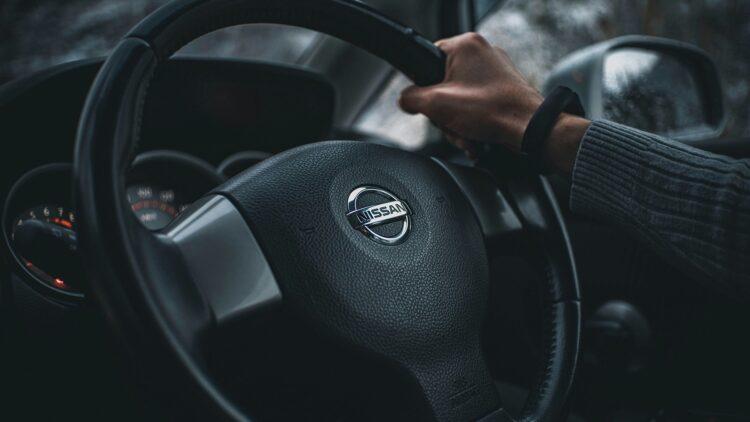
Nissan, a reputable vehicle manufacturer based in Japan, is the center of attention once again following its recent announcement regarding the B-segment MPV. As smaller corporations are emerging, veterans of the automotive industry have deemed it beneficial for them to collaborate as a way to strategically compete with everybody else. Thus, it was not greatly surprising when news broke that Nissan is planning to unveil a new B-segment MPV derived from the Renault Triber.
Reviewing the lengthy relationship between Nissan and Renault
The collaboration between Nissan and Renault comes as a massive shock to the contemporary generation, but to both corporations’ core customer base, the partnership is deeply rooted. Renault and Nissan are renowned strategic partners as per the Renault-Nissan-Mitsubishi Alliance, which was officially signed in 1999. Under the agreement, both companies agreed to share money, technology, and platforms with the aim of competing on a worldwide scale.
Competition is at its peak in the modern world, so the Renault-Nissan-Mitsubishi Alliance can come in handy for both parties as they attempt to maintain relevance in the congested automotive market. In simple terms, Renault and Nissan are independent companies that have strategically come together for the benefit of both, depending on the circumstances.
Recently, between 2023 and 2025, the collaboration had some alterations made to it. Renault agreed to sell Nissan shares and make adjustments to investments with the aim of supporting Nissan’s recovery and streamlining operations. It is under this new regime of the partnership that Nissan is preparing to unveil the B-segment MPV.
The new B-segment MPV, an exciting car derived from the Renault Triber
In true Nissan fashion, the Japanese company has built up excitement after sharing a few snippets of the upcoming MPV‘s design. Many people are looking forward to a vehicle that is derived from the reliable Renault Triber, but also goes a step further to adopt much more modern stylistic features. Nevertheless, people will not have to wait for too long because the MPV is slated for a 2026 release. For Nissan, this is a groundbreaking project because it will allow it to reach a wider audience, particularly where the Triber is popular, for example, Brazil, South Africa, and India.
A thorough comparison of the B-segment MPV and the Renault Triber
The most standout similarities between the two vehicles are rooted in the CMF-A platform, mechanical components, and the 4-metre footprint. The MPV is expected to be powered by a 1.0-litre, three-cylinder naturally aspirated petrol engine, which is similar to the Triber’s. Interestingly, Nissan has shown a reluctance to depart from ICE vehicles despite experimenting in electric vehicle production and achieving some success.
Upgrade or demotion? An overall assessment of the B-segment MPV
Despite the partnership between the two major corporations, Nissan continuously strives to maintain its core identity, which attracted its customers in the first place. This explains why the MPV is reported to have a unique appearance. For instance, it will have brand new wheel designs, a newly developed front fascia, and alluring lighting features.
As things stand, the MPV might generate an incredible amount of interest and profit by relying on the already popular Renault Triber. Nissan strategically manufactured the family-friendly vehicle to appeal to markets in need of an affordable family vehicle. Ultimately, Nissan deserves a tremendous amount of credit for managing to compete in different categories such as electric vehicles, SUVs, and now, the MPV category. However, the single question that shall be answered imminently is how well the B-Segment MPVs compete with the rest of the field.
The B-Segment MPV truly represents the power of a brilliantly executed collaboration in the automotive industry. Renault appears more open to partnerships after its recent collaboration with Ford to produce low-cost electric cars and vans for the European market. This time, it is Nissan that has realized how successful the Renault Triber was and decided to develop its own vehicle, which matches Renault’s masterpiece.