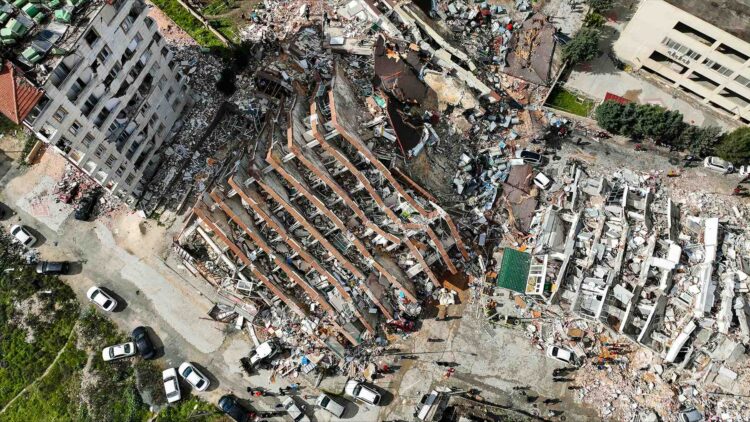
A devastating 7.6-magnitude earthquake struck off Japan’s northeastern coast on December 8, sending shockwaves through the region and triggering immediate emergency responses. The powerful tremor occurred at 11:15 p.m. local time, approximately 44 miles offshore from Aomori prefecture at a depth of 33 miles. This seismic event prompted authorities to issue evacuation orders for over 114,000 residents across multiple prefectures.
Massive earthquake prompts large-scale emergency response operations
The effects of the quake did not remain in the area around the epicenter, as strong shaking was felt as far away as Tokyo, which is over 400 miles from the source. Emergency teams were quickly deployed across the area as the Japan Meteorological Agency broadcast warnings of a potential tsunami in the Pacific coast areas of Hokkaido, Aomori, and Iwate prefectures. Prime Minister Sanae Takaichi confirmed that at least 30 people were injured as a result of the earthquake.
The initial tsunami warning reported waves up to 10 feet that may hit Japan’s northeastern coastlines. However, upon measurements, the actual height of tsunami waves was not as feared but was measured to a maximum of 2.3 feet at the Kuji seaport of Iwate Prefecture, while subsequent waves of 1.3 feet were measured in the Aomori and Hokkaido areas before being downgraded to an advisory level warning.
Seismic experts point to possible larger earthquake dangers
The Japanese Meteorological Agency indicated that there was a possibility of the occurrence of a “large-scale earthquake measuring magnitude 8 or higher” in the country during this week, although it gave a 1% chance. Residents were advised to be on their vigil regarding the possibility of aftershocks.
Infrastructure damage and transportation disruptions affect northern regions
Transport links in the Hokkaido region were also severely affected by the halt of bullet train operations between the Fukushima and Aomori prefectures, although this decision was taken as a precautionary measure. Expressways were also closed due to the inspection of bridges, tunnels, and other infrastructure by engineers to ensure that they were safe for traffic flow. There were also power outages that affected thousands of residents in the Aomori and Iwate prefectures.
Video footage shot by media agency Reuters showed the scale of the damage to buildings in the city of Mutsu, situated in the prefecture of Aomori, including the damage to a hotel and the stopping of vehicles on compromised highways. According to Chief Cabinet Secretary Minoru Kihara, there were reported cases of injury and fire in the affected area.
Nuclear facilities report no safety concerns following seismic activity
The Japanese government confirmed that there were no problems found at the Higashidōri and Onagawa nuclear power plants after thorough safety checks immediately following the earthquake. Additional nuclear power plants in the area were checked to verify that all safety systems were operating effectively. Government representatives reiterated their unity to function under the guiding tenet of prioritizing life when coordinating together with local government officials to investigate the situation and initiate all necessary actions to respond to the emergency.
Japan’s position within the Ring of Fire also makes it susceptible to seismic activity, and this earthquake comes as a wake-up call for the geological challenges that Japan faces. The 2011 Tohoku Earthquake, which had a magnitude of 9.1, was the most catastrophic in recent Japanese history, due to the tsunami and nuclear crisis that left more than 22,000 people dead or missing.
This new earthquake reminds us of the susceptibility of the Japanese nation to natural disasters, at the same time as it also proving the success of contemporary earthquake warning and emergency preparedness procedures. The situation is still being carefully watched by the authorities, and they continue to issue updates on the latest developments for the public and are prepared for any aftershocks that may occur in the already affected area of northern Japan.