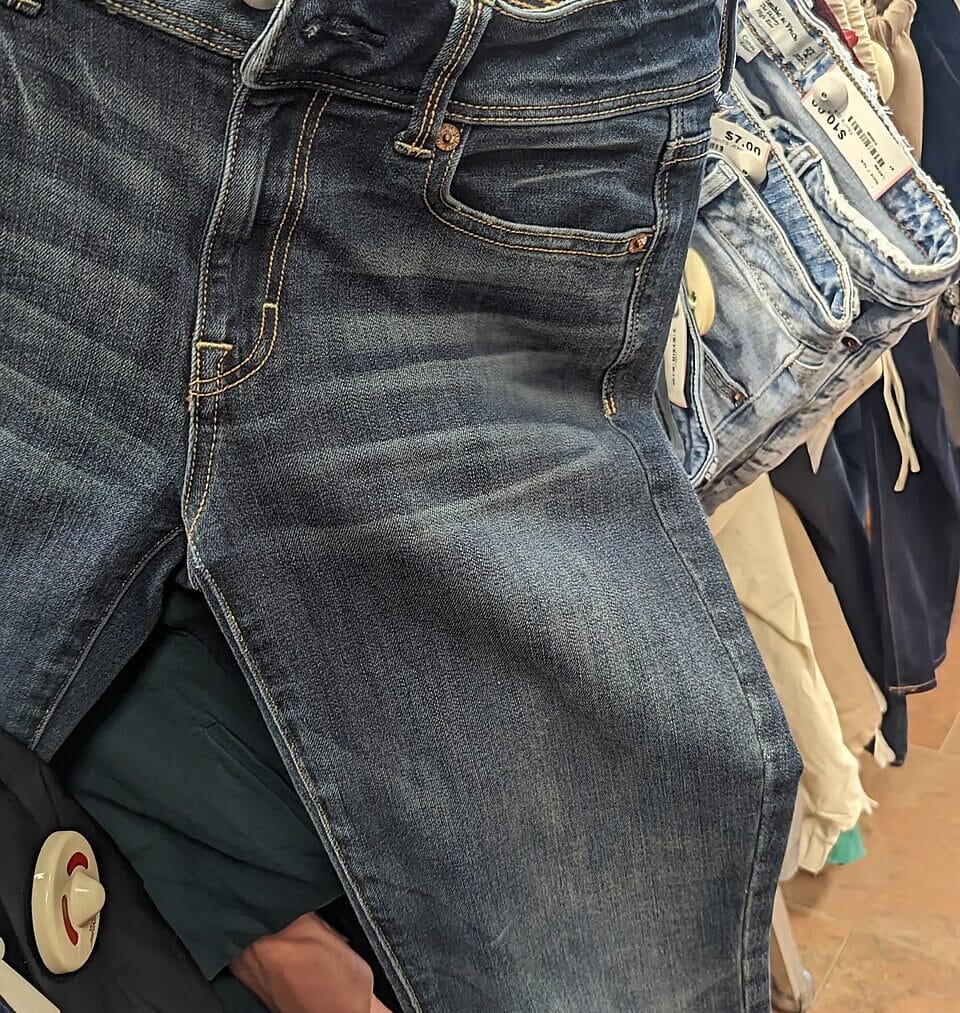
Buying used goods has become a routine habit rather than a niche pursuit for most Americans, according to a new report released this month.
The Consumer Collective, a consumer insights and advisory firm, found that 76% of Americans bought something secondhand in the past 12 months, and 89% have done so at some point, according to a survey by consumer insights and advisory firm The Consumer Collective.
What the survey found
The report, titled Second Nature, is based on results of an August survey of 400 U.S. shoppers, category breakdowns, motivations, generational and income data, and a regional look at where secondhand shopping is the most popular.
The firm says the findings suggest resale is becoming an increasingly important competitor for retailers selling new merchandise.
For some consumers, used goods already account for a substantial share of purchases. One in three said more than a quarter of what they buy is secondhand.
In-person shopping still wins out over online: 54% of consumers prefer buying secondhand in a physical store, 18% prefer online and 28% like both equally. Shoppers who like both spend the most, with about one in three spending $500 or more on secondhand goods in the past year.
Thrift stores remain the single most popular destination.
Younger shoppers and luxury goods drive the shift
The survey also found that 76% of Americans bought something secondhand in the past 12 months, and 89% have done so at some point… Also, 44% are buying more secondhand than they did two years ago, including 66% of Gen Z.
The trend is also moving upmarket. Meanwhile, 49 percent already buy luxury items secondhand or would consider doing so, rising to nearly 80 percent when shoppers who remain undecided are included.
Allison Collins, co-founder of The Consumer Collective, said “Enthusiasm around secondhand shopping started in clothes, but is spreading to more categories,” … “Brands that treat resale as a side market are missing where their customers already shop.”
That pattern lines up with other recent consumer behavior shifts GCN has tracked, including seven in 10 Americans cutting spending on extras over the past year as households look for ways to stretch budgets without giving up purchases altogether.
Rising prices seen as a tailwind
Higher prices for new merchandise appear to be reinforcing the shift toward resale. Higher prices for new products could strengthen demand for secondhand alternatives. Some 53% of respondents said they would likely shop secondhand more often if prices for new merchandise continued rising.
Jessica Ramírez, the firm’s other co-founder, said “The growth of the resale market has massive cross-category implications,” said Jessica Ramírez, co-founder of The Consumer Collective.
She separately noted that the implications extend across product categories, saying “Over time, we expect to see consumers’ gravitation towards secondhand pull spend from other retailers.” That is the firm’s forecast, rather than a measured decline in traditional retail sales.
Why it matters for retailers
The findings arrive as household budgets remain a persistent concern. Pew Research Center has separately tracked how many Americans report cutting back on discretionary spending, a trend that overlaps with the growing appetite for used goods documented in the new report.
The shift also connects to broader changes in how Americans manage money day to day, including the move toward digital payments that GCN covered in its report on cash use among adults halving over the past decade.
Together, the data suggest consumers are reshaping both how they pay and where they shop as they look to make their dollars go further.
The full “Second Nature” report includes results of an August survey of 400 U.S. shoppers, category breakdowns, motivations, generational and income data, and a regional look at where secondhand shopping is the most popular.
