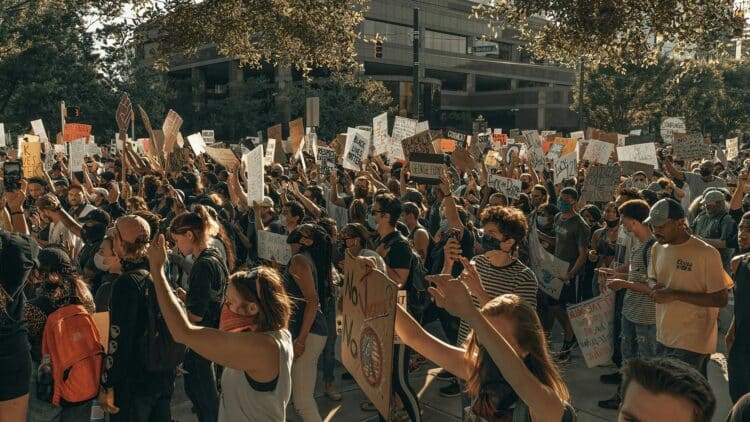
The Tanzanian government has implemented a nationwide ban on all demonstrations planned for December 9. This date happens to fall on the country’s 64th Independence Day. The ban occurred during a time of high political tensions due to the previous disputed general election on October 29. This unrest has started to garner global attention.
The police force threatens citizens ahead of the protests
The Police Force in Tanzania, on December 6, asserted that the protests, which had been planned, would be illegal due to the fact that the protesters’ organizers did not get permission from the relevant district commissioners.
Police spokesman David Misime stated that those who would choose to disobey the order would be arrested and that there have not been any protests that did not get the proper documentation.
The prime minister weighs in
Prime Minister Kassim Majaliwa, in an attempt to avoid unrest, said,
“We call upon all Tanzanians to celebrate this historic day peacefully from their homes.”
The unrest was due to President Samia Suluhu Hassan being declared the president of the Republic of Tanzania after winning 97% of the votes in October. This is the fourth time the CCM has won an election in such a manner.
The Tanzania’s tumultuous relationship with politicians
The opposition has been accused of political violence as a result of the post-election violence report, and internet services have been shut down in the opposition.
The CCM has also been accused of censorship and disqualifying opposition candidates in elections. This has been a result of the government’s violence. There have also been reports of the government tearing apart the homes of the citizens. Activism has been met with violence. The internet violence has also resulted in detaining opposition.
Why are protests being banned?
Tanzania’s unrest from October is the main point of concern for the police, explaining why demonstrations have been banned. Major cities like Dar es Salaam, Mwanza, and Arusha experienced unrest from protests. Sadly, the government has kept the number of deaths from the protests and subsequent military action a secret.
During the protests, military action overran and occupied the hospitals. The government contracted violence from protests, describing them as “isolated incidents.” This is disputed by eyewitnesses and diplomats.
Tanzanian authorities have placed a nationwide ban on protests and, effective immediately
Maintaining ‘order’ on the streets, police have limited sales of gasoline in jerrycans and banned the sale of gasoline at roadside stalls. People caught selling gasoline on the side of the road will be arrested.
Citizens have also been ordered to stay behind closed doors on the country’s Independence Day. Security forces expect and will respond to public disorder. The Prime Minister’s message appears to respond to the government’s concerns over the potential for violence, with the opposition’s capacity to continue mobilizing demonstrators over the internet.
The United States government has also expressed concern over the situation and, on December 5, issued a travel warning to American citizens, advising them to prepare for internet shutdowns, curfews, and travel disruptions.
The Kenyan High Commission advised Kenyans to avoid public spaces
International advocacy groups have urged the Tanzanian government to exercise restraint and respect the right to free expression.
However, the Tanzanian government maintains that its actions are for the protection of the country’s internal order and stability.
The absence of public demonstrations on the anniversary of Independence Day, which was for decades a day full of activities and celebrations, demonstrates the extent of the underlying political crisis in the country. Opposition groups remain determined in their pursuit of the right to vote and expect full accountability to be released from the government. Unrest is likely from the security patrols on standby, which demonstrates the extent of the country’s democratic crisis that the world is currently observing.