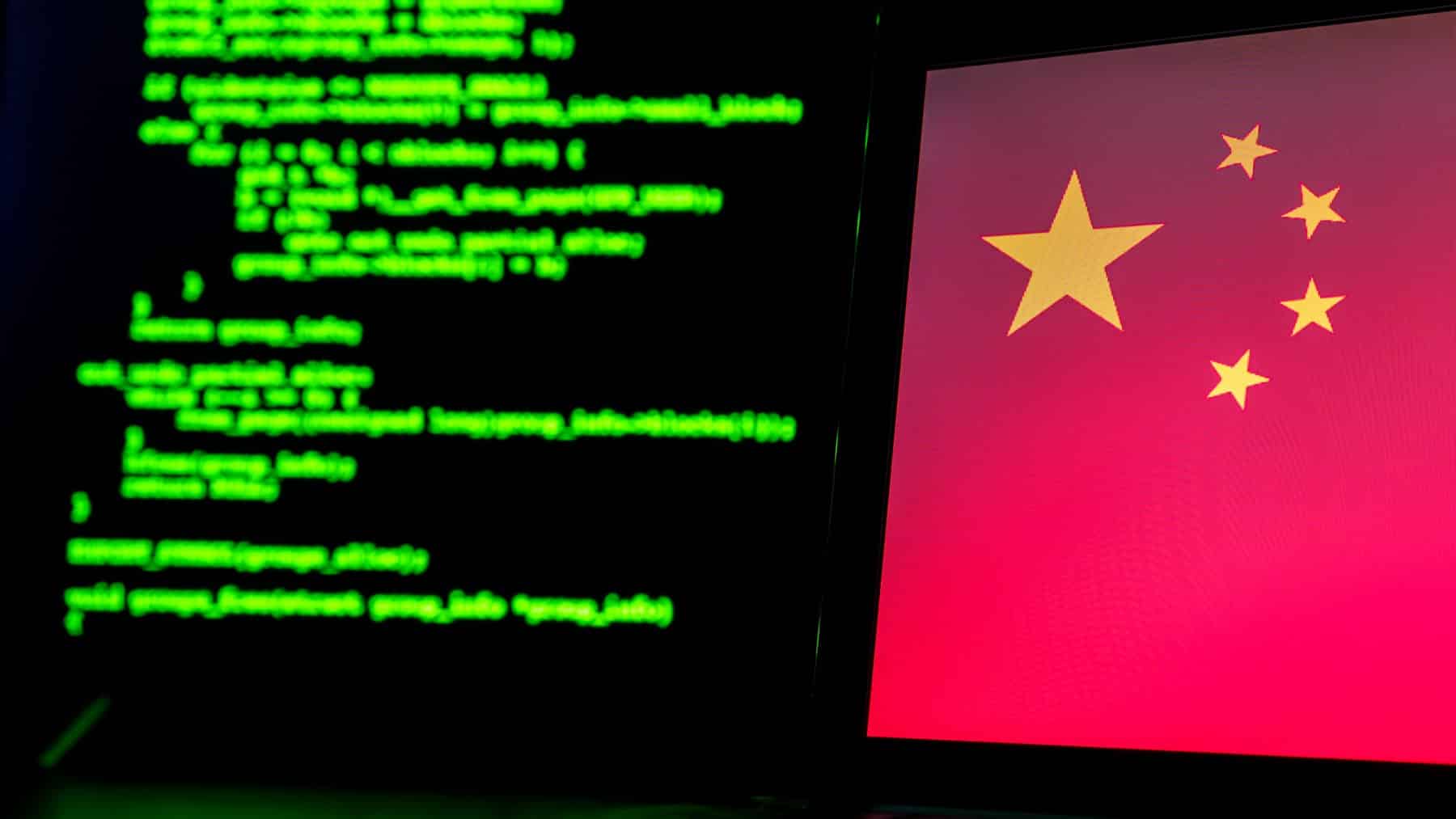
Another new chapter is being written in the long history of trade tensions between the United States and China. The U.S. government is now considering imposing export restrictions on specific software considered critical to China as a mitigating measure to try to slow technological advancement in its rival country. If approved, the consequences could impact companies and sectors in the technology sector, deepening the rivalry between the two countries.
Software restrictions rekindle fears about technology dependence and economic risks
The US is considering banning the sale of various types of software to China, including design systems, artificial intelligence platforms, and some business management programs. This wouldn’t be the first time the US has imposed such sanctions; the decision would be similar to the sanctions already imposed against Russia after the invasion of Ukraine, as a way to discourage war. However, the discussion now focuses on even higher sanctions.
Treasury Secretary Scott Bessent stated that nothing has been decided yet, but everything is under consideration, indicating that Washington may act in coordination with its G7 allies.
“Everything is on the table. If these export controls, whether it’s software, engines or other things happen, it will likely be in coordination with our G-7 allies,” he said.
Potential export restrictions could hit key industrial sectors and cause retaliation
Among the companies that could be impacted by the sanctions package are Nvidia, Synopsys, and Dassault Systèmes, which are companies considered essential to the chip creation, autonomous cars, and military equipment sectors.
China, for its part, has not yet officially commented, but Beijing can be expected to retaliate with export restrictions on rare earth minerals, which are key inputs for the global electronics and energy industries, as the country is the world’s leading supplier of these minerals. These types of moves, on both sides, tend to intensify the uncertainties already weighing on international trade.
Global companies fear bottlenecks and rising production costs
The impact of these potential new restrictions could be significant for multinationals that rely on American inputs and software for their Asian operations. Semiconductor manufacturers, automakers, and aviation companies could face delays and additional costs if exports are suspended, disrupting the supply chains of each of these sectors.
And this impact would be felt at every stage of the chain, from engineers using chip design programs to companies using cloud management systems. Analyst Michael Deng of Bloomberg Economics says that any interruption in this flow affects not only China but also Western companies that produce there.
The restrictions, as expected, if implemented, could also worsen the situation for technology companies that have China as one of their main markets. Some of these companies, such as Cadence Design Systems and Synopsys, for example, derive a large portion of their revenue from Chinese customers, which, along with the sanctions, could cause billions of dollars in losses and impact the entire sector.
Diplomatic tensions rise amid Trump-Xi Jinping talks
From a diplomatic perspective, President Donald Trump said he intends to discuss the issue personally with Chinese leader Xi Jinping in a meeting scheduled for later this month. During his remarks, the US president stated his belief in a successful agreement and emphasized mutual respect between the countries, while also reinforcing that he will not hesitate to act if Beijing maintains restrictions on rare earth mineral exports.
Although nothing has been decided yet, the mere possibility of this scenario is already provoking reactions and concerns among companies and governments. Any limitation on software exports could affect the current balance of the technology market and redefine trade alliances. For companies and consumers, the challenge will be to deal with an increasingly uncertain scenario, as political decisions capable of changing everything overnight have been occurring with increasing frequency in recent times.
