
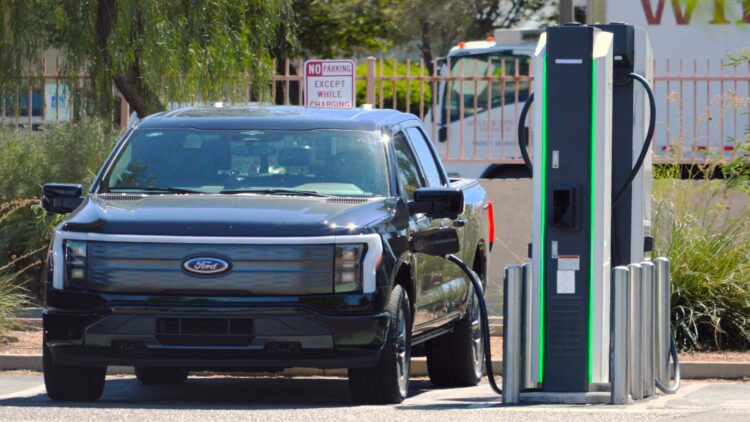
Electric Vehicles have been all the range in the motor industry in recent years and for good reason. Battery-powered EVs do not produce any tailpipe emissions thereby preventing the spread of air pollution. Environmentalists and car enthusiasts alike showed great interest in this type of vehicle and many cities even developed infrastructure to support this type of vehicle.
Ford, the well-known automaker, appears to be taking a step to the side in the EV game, however. This not not to say that the manufacturer will be abandoning the idea of electric powered vehicles entirely, but rather, the company has decided to redirect focus and resources towards the development of hybrid models.
Ford Motor Co. is shifting gears from electric to hybrid
The American automobile manufacturer seems to be scrapping its plans to develop a three-row all-electric sport-utility vehicle. Ford will instead be focus on manufacturing hybrid vehicles. This decision came about as a result of the steady decline in interest for fully electric vehicles seen by consumers. Motorists appear to want the next new thing and have been expressing an interest in alternate fuel-efficient vehicles.
A statement released by the Michigan-based automaker revealed the company’s plans to “speed customer adoption of more affordable vehicles with longer ranges.” As a result of declining demand for EVs, the automaker has shared that it will now include hybrid technologies when developing its new range of three-row electrified SUVs.
Data collected by AAA has deduced that close to two-thirds of potential car buyers “were unlikely to purchase an EV for their next vehicle.” The reasons behind this varied from individual to individual. The price of gas-powered vehicles was much cheaper than that of electric battery-powered vehicles. Additionally, drivers have felt a sense of anxiety due to the fear of the EV’s battery running low during a trip without being able to access a charging station.
Kelley Blue Book has also noted that from 2023, “the national average price for a new EV has slipped 9% to $55,252” as a result of consumer’s slipping interest in EVs.
Jim Farley, CEO of Ford Motors, recently shared in a statement, “We learned a lot as the No. 2 U.S. electric vehicle brand about what customers want and value, and what it takes to match the best in the world with cost-efficient design, and we have built a plan that gives our customers maximum choice and plays to our strengths.”
Plans for the coming years
The vehicle manufacturer has also announced its plans to develop and launch an electric commercial van sometime in 2026. Additionally, two new pickup trucks, amongst other vehicles, have also been slated to launch in the same year. Whilst the automaker is sidestepping to a more hybrid-centric approach to vehicle development, Ford has reiterated its commitment to environmental sustainability by promising to manufacture vehicles that generate lower levels of carbon emissions.
The automaker’s decision to pivot away from full electric vehicles — aside from dwindling consumer interest and high price points — was partially due to tough competition from the Chinese EV markets.
“In addition, today’s electric vehicle consumers are more cost-conscious than early adopters, looking to electric vehicles as a practical way to save money on fuel and maintenance, as well as time by charging at home,” the company shared in a statement. “This, coupled with scores of new electric vehicle choices hitting the market over the next 12 months and rising compliance requirements, has amplified pricing pressures.”
The company’s decision to take the nearest offramp away from the highway of electric vehicles may prove to be quite costly. A non-cash charge amounting to $400 million will be taken by Ford for “writing down the value of manufacturing equipment designed to build the scrapped electric, three-row SUV.”
The shift away from EVs could also result in additional costs of up to $1.5 billion.