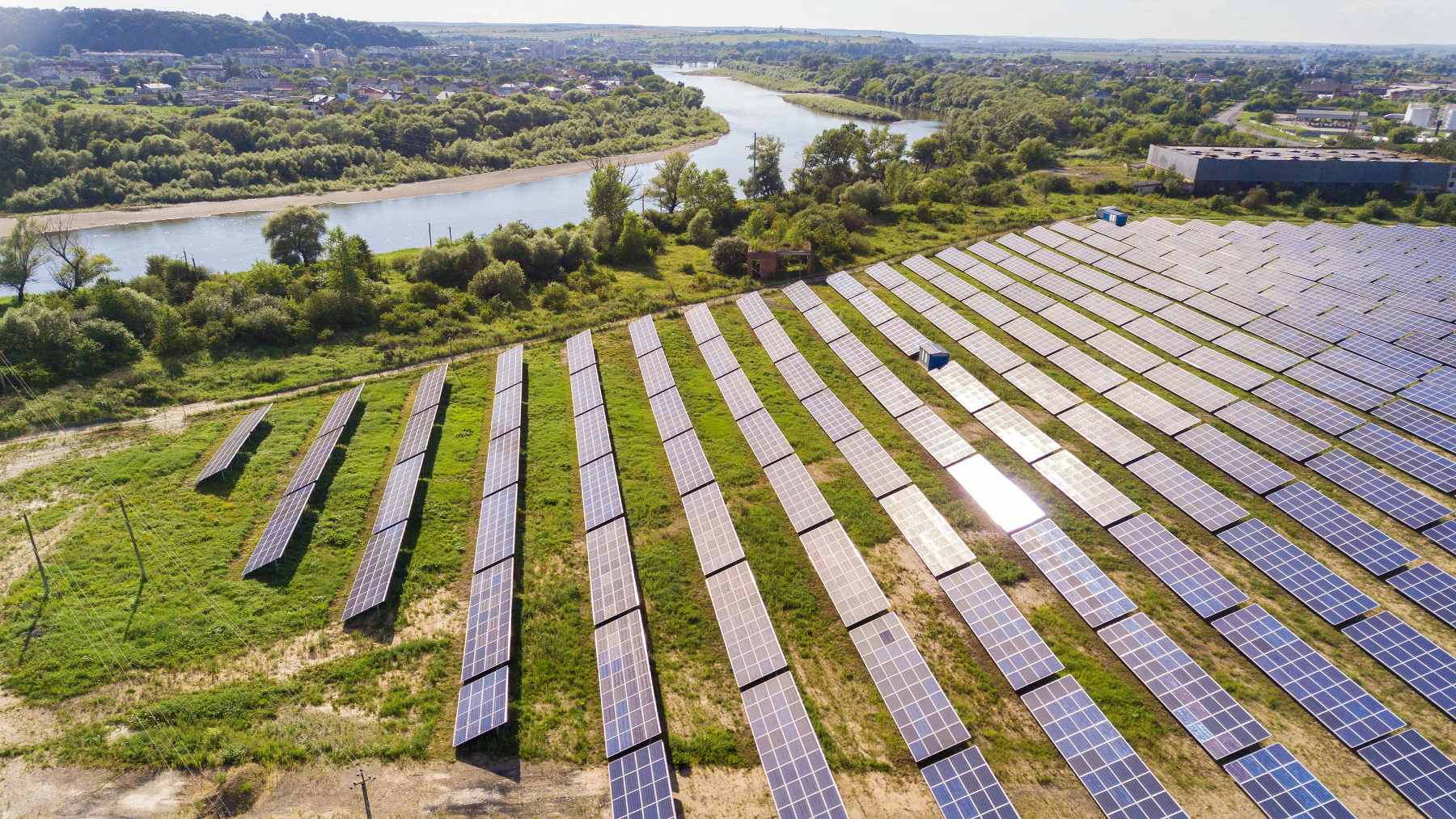
Japan is currently experiencing a historic phase when it comes to the development of solar energy infrastructure, as work begins on what will be Japan’s biggest solar and battery energy storage system ever built. It is appropriate to say that this project is a major step towards addressing Japan’s distinct energy problems while optimizing solar energy consumption.
Osaka Gas and Sonnedix lead ‘revolutionary’ energy project
Osaka Gas and international renewable energy firm Sonnedix have collaborated on this revolutionary energy infrastructure project that is currently underway in Oita City, located within Oita Prefecture. By coming together, these two firms have managed to tap into each other’s expertise, as Osaka Gas has experience operating within Japan, and they complement each other with expertise that comes from overseas, through Sonnedix, which has expertise in renewables on a worldwide scale.
The proposed project would entail the installation of a sophisticated battery energy storage system inside an already existing solar power plant that has a generation capacity of about 39MW of power. Toshiba Energy Systems & Solutions Corporation would undertake the installation, and Osaka Gas would be responsible for its remote control operation. There would be optimal synchronization of solar power and battery energy systems through this project initiative.
Transition from FIT to FIP scheme increases market flexibility
The project is expected to be shifted from Japan’s Feed-in Tariff (FIT) system, considered more cumbersome, to its Feed-in Premium (FIP), more flexible and market-friendly, scheme. Under this, Osaka Gas is expected to buy all of the power that is generated and consumed by the solar and battery facilities.
Massive battery capacity addresses Japan’s renewable energy challenges
The project entails the installation of a battery energy storage system that has a rated output of about 30MW and a capacity of about 125MWh, and is currently Japan’s greatest solar energy co-located battery energy storage system, as it positively impacts two of Japan’s most prominent issues concerning its solar energy, namely output control and solar power generation, especially during peak daytime time.
Renewable energy sources and battery energy storage systems operating together can be used for absorbing any surplus solar output that was previously cut off due to output restrictions, and then these batteries can supply power during the nighttime when maximum consumption occurs. Thus, they help maximise solar output and stabilise the solar output that varies due to changes in climatic conditions.
It is reflected that Japan has been realizing more about the importance of energy storage systems for having a larger share of renewable energy sources, and this has been attributed to the growing number of solar power adopters, which has led to solar output control, thereby entailing opportunities for battery energy storage.
Strategic alignment towards Japan’s aim of carbon neutrality
This development is one of the many ambitious projects undertaken by the Daigas Group, aiming for the realization of carbon neutrality by the year 2050. They target a total of 1,000 MW of battery energy storage projects in operation by fiscal year 2030, consisting of grid-scale and co-located projects for renewable energy resources.
The development of the battery-type-storage business helps create a spillover effect that increases the spread of renewable energy resources and stabilizes the power supply system, thereby countering challenges that arise when pursuing a low-carbon community. By investing in the development of energy-storage technology, Japan is placing itself at the forefront of this revolution, despite its need to secure its energy resources.
Japan’s model of integrated renewable energy and storage solutions has many great examples that can be applied to other countries operating in Asia and the Asia Pacific, as they deal with exactly the same issues. Innovation, adaptability, and cooperation can help countries bypass all common obstacles and build sustainable infrastructure for future success and progress.
