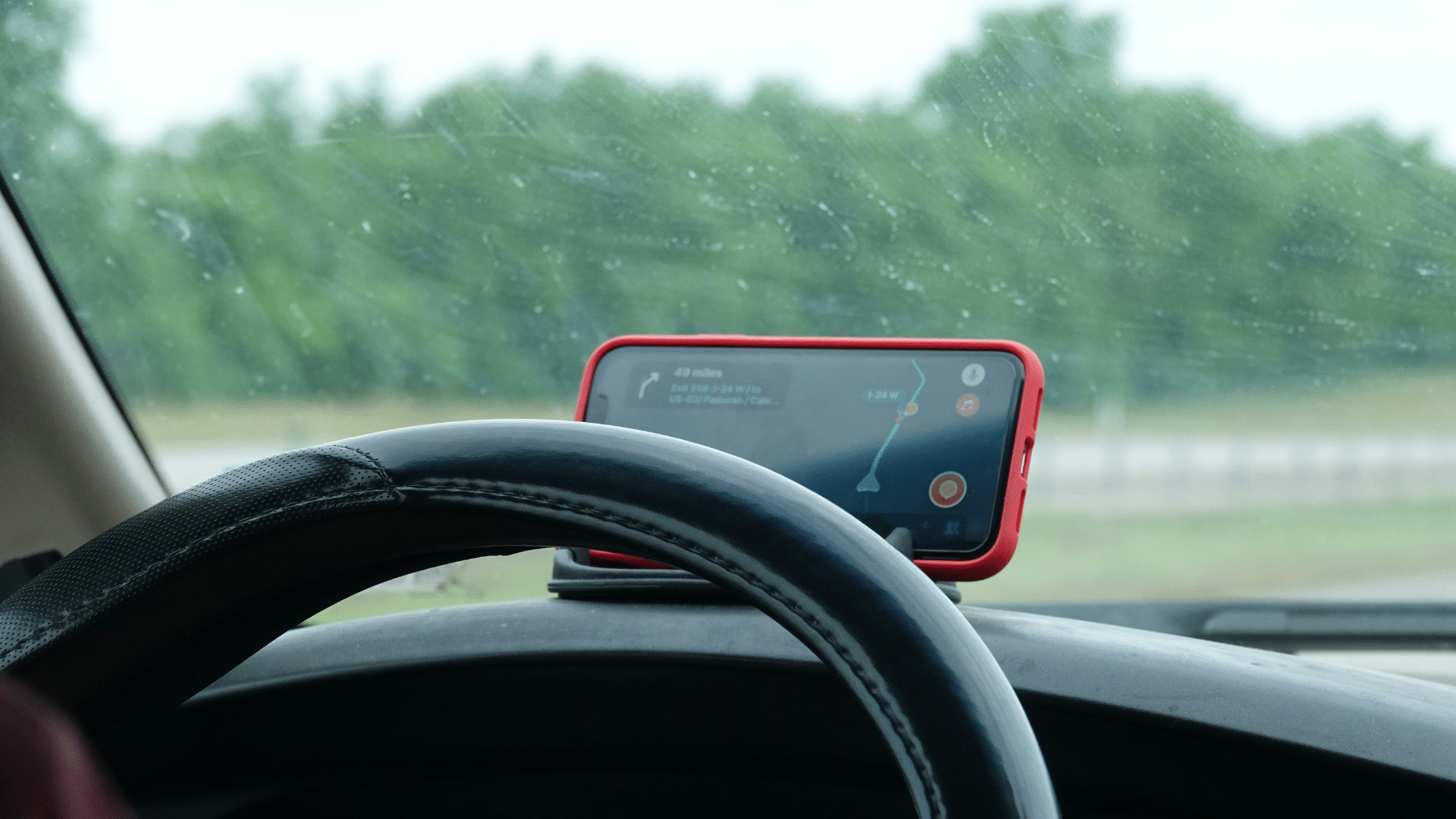
Google’s Waze rolled out new features on July 13, 2026, deepening its integration with the company’s Gemini AI while adding its first dedicated motorcycle navigation mode, expanding the app’s capabilities for riders and drivers worldwide.
Motorcycle mode targets two-wheeler navigation
Motorcycles need different routes than cars: they can access narrower streets and are more sensitive to road surfaces. Waze’s new motorcycle mode uses AI to incorporate two-wheeler shortcuts and restrictions, helping riders find the best route and get an accurate ETA.
The mode also surfaces hazards that are especially tricky for riders, including potholes, speed bumps, raised crosswalks, shoulder endings, and narrow bridges.
All of this is powered by Waze’s real-time traffic information and a dedicated group of motorcycle map editors who are constantly adding new hazards to the map.
Motorcycle mode is rolling out now in Argentina, Brazil, Colombia, Malaysia, Mexico, Peru and the Philippines on Android and iOS, with more countries on the way.
Gemini voice search and conversational map updates
The Google-owned navigation app is getting new AI-powered features and customization updates, some of them powered by Google’s Gemini AI assistant. The additions reflect the tech giant’s broader push to integrate Gemini across its products while better positioning Waze to compete with rival services such as Apple Maps.
Users can now use Gemini capabilities to help find a destination before navigating, tapping the search voice icon to ask questions such as “Find me a coffee shop that’s open right now,” “Find me parking close to Grand Mall,” or “Find me a gas station nearby with the lowest prices.” Finding destinations with Gemini is rolling out to the Waze beta community globally on Android and iOS.
Conversational Reporting, which already uses Gemini to let users report traffic incidents like slowdowns by speaking naturally, has been extended so that drivers can also suggest map updates, such as a road closure or an outdated address.
Saying “The road is closed here” sends the details to local map editors, who verify the suggestion and update the map. This approach uses Gemini to widen the funnel of contributions to Waze’s human editor community rather than replace it.
Personalized routing and a quieter voice mode
Waze will now suggest routes based on a user’s previous trips in addition to its hyperlocal understanding of a city’s traffic patterns, so if a driver prefers highways over local streets with multiple stops, those options will appear first.
Drivers who prefer not to receive personalized routes can choose alternate routes or turn off personalization entirely in settings. The feature is rolling out globally on Android and iOS.
For drivers who want fewer interruptions while listening to music or a podcast, enabling the new “less chatty” mode minimizes the number of voice prompts and keeps them short.
The mode still delivers critical reminders about hazards, turns, and lane changes, just less frequently. Less chatty mode is rolling out globally on Android and iOS.
Part of a wider Gemini push across Google products
The latest release points to a broader effort by Waze to let drivers decide how much guidance they receive and how they interact with the app. It also reflects how Google-owned mapping and navigation products are incorporating conversational AI into routine driving tasks such as reporting incidents, updating maps, and choosing destinations.
The update follows Google’s wider strategy of embedding Gemini into consumer-facing products. As connected-device ecosystems from multiple companies compete to add AI assistants at every touchpoint, Waze’s expansion illustrates how voice-first interfaces are moving from smart speakers into in-car navigation.
The announcement was authored by Gai Berkovich, VP and GM of Waze, and published on the official Waze Blog. It was also reported by Engadget. Google has not announced a timeline for bringing Gemini destination search out of beta. Motorcycle mode is expected to expand to more countries beyond the seven initial markets.
