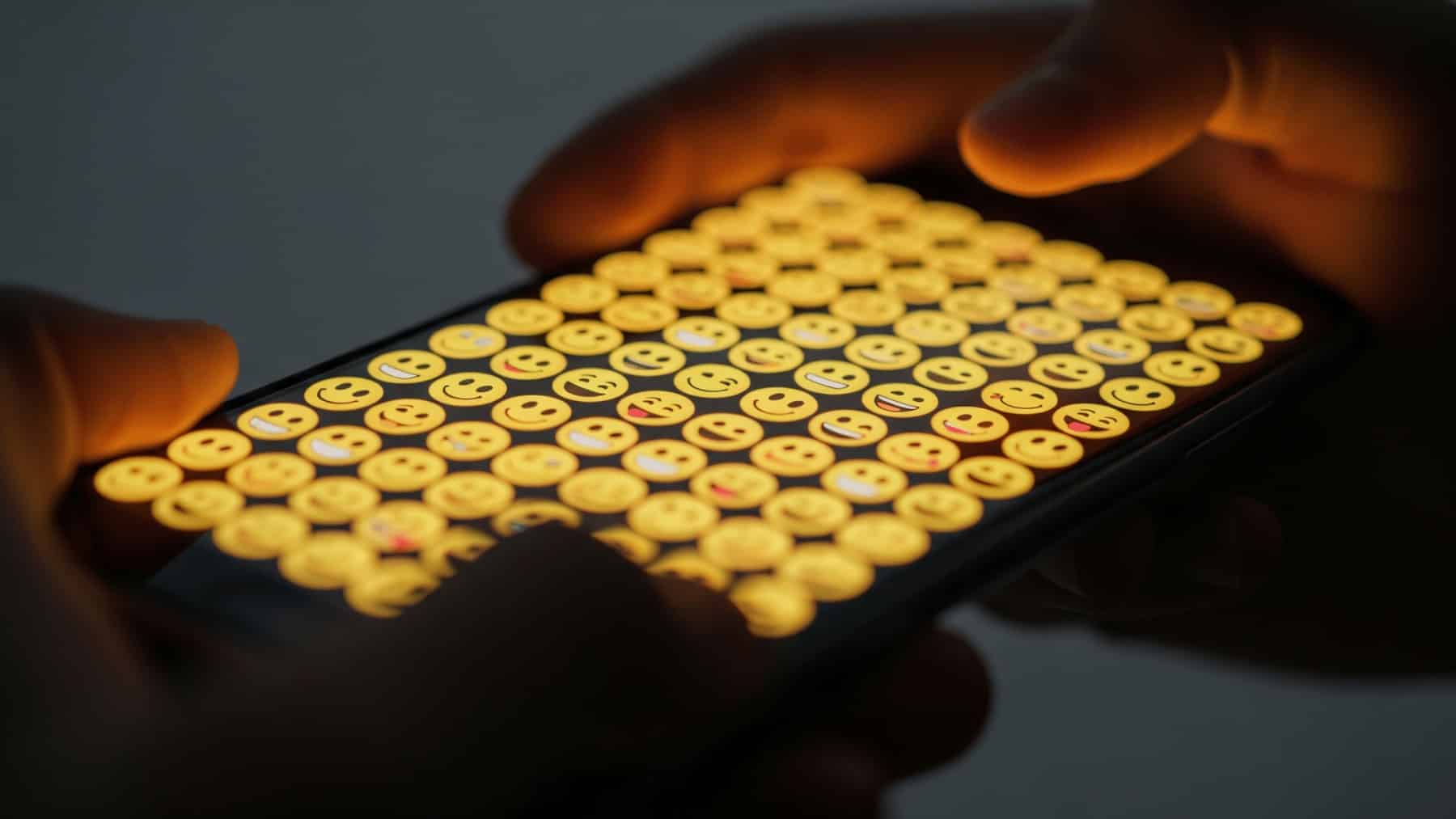
Google used World Emoji Day on July 17 to reveal the full scope of its Noto 3D project, disclosing that all 3,977 emoji characters have been redesigned to add physical and emotional depth to how they communicate in the modern era. The company described the update as its biggest emoji redesign since Android 11. The announcement, published on the official Google blog, goes behind the scenes of the design process and lays out how data, user research, and an AI-powered accessibility tool shaped every character.
From flat pixels to full 3D models
While the design process still begins with 2D drawings, it no longer ends there. In an industry first, Noto Emoji 3D is entirely available as true 3D models.
Moving from flat pixels to a three-dimensional world forced Google’s designers to resolve architectural questions they had never previously considered. Those included what the back of a smiley face looks like and whether it is a concave mask, a solid bouncy ball, or a flat piece of paper.
Google described Noto 3D as its biggest emoji redesign since the flat, clean aesthetic of the current Noto Color Emoji set arrived with Android 11.0 in 2020. Noto 3D represents the fifth major aesthetic incarnation of Google’s emoji, excluding their initial animated Gmail set.
The redesign was first previewed at The Android Show: I/O Edition, before Google used World Emoji Day to delve into the new 3D emoji design.
Google said its emoji have always favored expression over hyper-realism, and that in this new 3D world the designs can have dimension without being photorealistic, needing “a pulse and a soul” rather than the cold precision of industrial CAD models.
User research and usage data guided the redesign
Google did not rely on aesthetic instinct alone. The company ran large-scale user studies to evaluate how changing emoji could potentially affect human connection.
The research revealed what Google called universal truths: users overwhelmingly prefer full-body animals over floating heads, adding props hurts comprehension, and tiny tweaks such as swapping the direction of a wink can turn mild confusion into accidental outrage.
Usage trends tracked through Gboard also informed the creative direction. For years, the “face with tears of joy” emoji was the undisputed top character according to Gboard Federated Analytics, but following a multi-year decline it slipped down the charts by 2025.
When people do laugh, their inclination for hyperbole has pushed “rolling on the floor laughing” to the top of the chart. Data also show a migration in popularity from the broken heart emoji toward the wilted flower.
The findings reflect a broader shift that Google described as modern internet culture moving steadily toward drama, hyperbole, and overwhelm. That cultural evolution informed how the team calibrated expressions across the library. This kind of behavioral signal mirrors the approach Google has taken elsewhere, such as in its personalization push for Google Images, where usage data drives product decisions.
AI-assisted accessibility for dark mode
One of the less visible challenges the team tackled was legibility for emoji that feature darker skin tones. Emoji with the darkest skin tones can be difficult to see in dark mode.
To address this, Google built an AI-powered contrast tool that analyzes each emoji at the pixel level, flags when the contrast ratio is too low, and suggests high-contrast solutions that are then implemented by designers.
The inclusion of an AI tool in the workflow places this update in the same category as other recent Google AI integrations across its product line, such as the Gemini-powered features added to Waze earlier this year. Crucially, Google was explicit that the AI flags problems rather than making final design decisions, with human designers retaining control over every applied change.
Open-source release and rollout timeline
Because language is meant to be shared, Google’s entire Noto portfolio is completely open source. The company is releasing raw .OBJ files to the community so developers and creators can use them to build immersive VR worlds, indie apps, or other projects.
Noto Emoji 3D will first be available on Pixel phones later this year, and come to all Google products afterward. Android 17, which was released on June 16, did not include the Noto 3D emoji design set, and it is expected to arrive in a subsequent update later this year.
A broader rollout across Android devices, apps, and platforms could well happen on a platform-by-platform, app-by-app basis following the launch. Google has not confirmed whether Noto 3D will replace the existing Noto Color Emoji font outright or ship alongside it, nor has it announced a specific date for non-Pixel Android devices.
