A year ago, analysts used one phrase to describe Toyota’s position in the American electric vehicle market: biggest laggard. The brand’s EV lineup barely registered.
Its first battery-electric SUV was awkward, outclassed, and easy to overlook.
Then something changed, and the numbers from the first half of 2026 tell a story that almost nobody predicted.
How badly Toyota was trailing before the turnaround hit
During the first half of 2025, Toyota’s measly 9,249 EVs sold put it behind Volkswagen, Rivian, Nissan, Kia, Honda, GMC, Ford, Cadillac, BMW, and Audi.
Ten brands. All ahead of one of the world’s largest automakers in a segment that was rapidly becoming the industry’s defining battleground.
The culprit was a vehicle most EV shoppers had already written off. The bZ4X had a lukewarm reception when it first launched, arriving with underwhelming range, slow charging, and a name that felt like a parts number rather than a product.
The Chevy Equinox ranked third in U.S. EV sales behind just the Tesla Model Y and Model 3, while Toyota’s electric SUV didn’t even make the top 10.
What Toyota quietly rebuilt before anyone was paying close attention
Toyota didn’t abandon the vehicle. It rebuilt it almost from scratch and renamed it the bZ for the U.S. market.
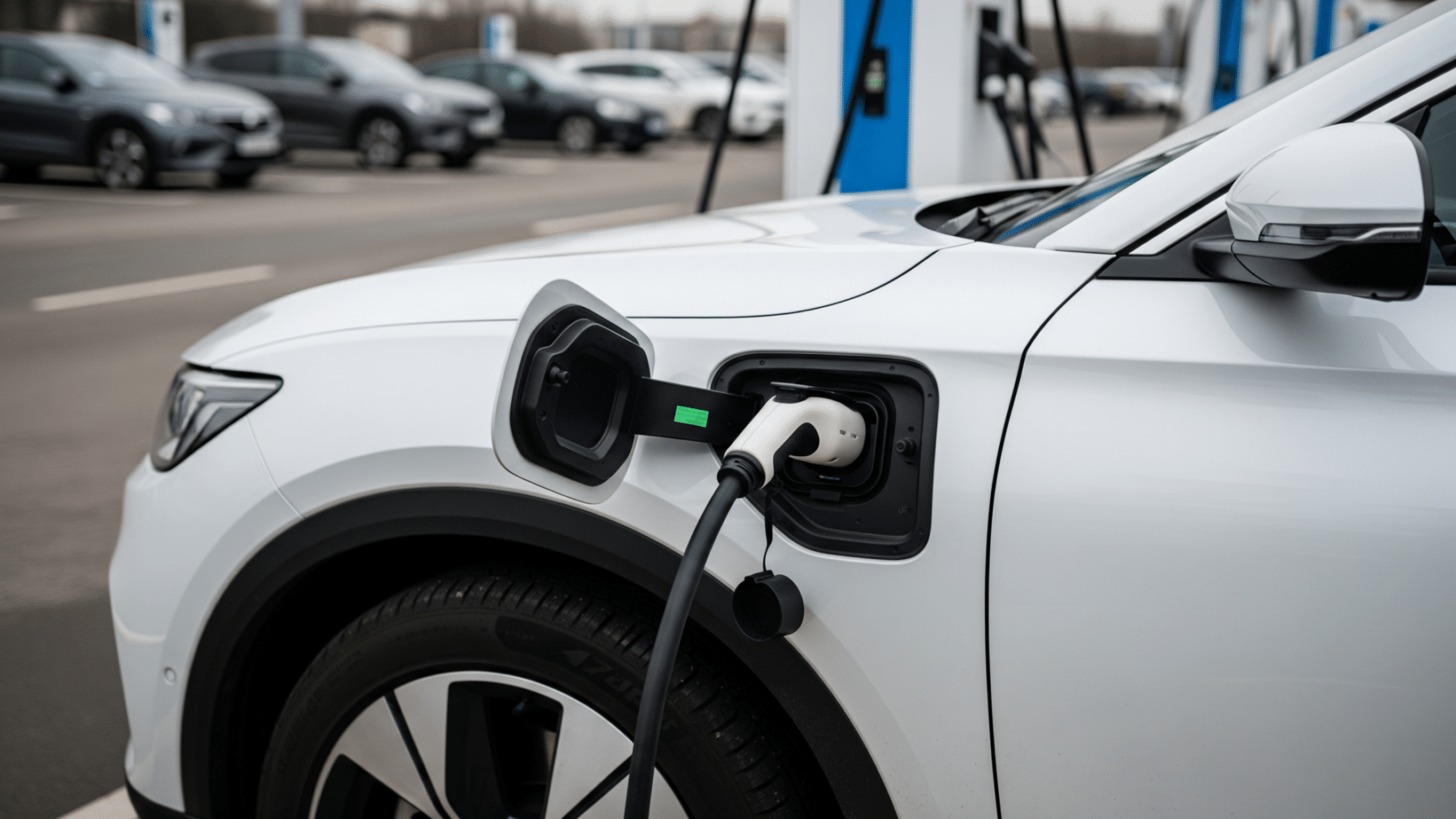
The 2026 bZ offers 25% more driving range than the outgoing model, with up to 314 miles. It also features more powerful electric motors, a new battery preconditioning system, and a standard NACS charge port, allowing drivers to access Tesla Superchargers without an adapter.
That last detail matters more than it sounds. Access to Tesla Superchargers instantly gave the bZ one of the densest fast-charging footprints of any non-Tesla on sale, a real-world advantage that cuts one of the most common objections shoppers raise.
The 2026 Toyota bZ starts at just $35,000, putting it in direct competition with the used EV deals flooding dealer lots, but with new-car warranty protection and the latest technology.
The quarter when the rankings first cracked open
Q1 2026 was when the market took notice.
With another 4,019 sold in March alone, Toyota bZ sales reached 10,029 in the first three months of 2026, an increase of 78.8% from Q1 2025.
Toyota sold over 10,000 electric bZ SUVs in the first three months of 2026, beating out GM’s top-selling Chevy Equinox EV. With the F-150 Lightning already discontinued, the Mustang Mach-E was the only Ford EV left in the mix, and the bZ outsold it handily.
In the first three months of 2026, the bZ was the third-best-selling EV in the U.S., behind only the Tesla Model 3 and Model Y, making it one of the best-selling electric vehicles in the country.
The Equinox, which had ruled that slot all of 2025, suddenly had a new rival it hadn’t seen coming.
The moment Toyota vaulted past 10 rivals at once
By the end of June, the full H1 picture confirmed what the quarterly data had only hinted at.
Toyota reported bZ sales reached 17,553 in the first half of 2026, up 90% from last year. As Electrek reported, Toyota sold 17,553 bZ models in the first half of 2026, a 90% increase from the same period last year.
During the first half of 2025, Toyota sat behind Volkswagen, Rivian, Nissan, Kia, Honda, GMC, Ford, Cadillac, BMW, and Audi. According to Cox Automotive, the company now ranks among the country’s five largest electric vehicle sellers.
That is a ten-brand leap in twelve months. Toyota’s success stands out because it comes during a challenging period for the U.S. EV market. Kelley Blue Book estimates show 247,226 EVs were sold during the second quarter of 2026, a 20.5% decline compared with the same period last year. Toyota somehow found volume that rivals were shedding.
Part of what Toyota gained, others gave away. Ford’s all-electric F-150 Lightning was never as popular as the automaker expected and was discontinued due to weak demand and high costs. Volkswagen stopped assembling the ID.4 at its Chattanooga plant starting in mid-April 2026. Nissan quietly ended U.S. production of the all-electric Ariya SUV, choosing not to build a 2026 model year version. Each departure handed Toyota breathing room it then sprinted through.
The broader used-car ripple is real too: shoppers weighing a lightly used EV at steep discount against a new bZ at $35,000 now have a genuinely competitive new option that didn’t exist eighteen months ago.
Where Toyota goes from here and what rivals need to watch
Toyota now sells three electric SUVs in the U.S.: the bZ, C-HR, and bZ Woodland. The Toyota bZ remained the brand’s biggest success story, accounting for 17,553 sales during the first six months of the year. The recently launched bZ Woodland added 554 deliveries, while the new Toyota C-HR EV contributed 3,748 sales.
Later this year, Toyota and Lexus will launch their first three-row electric SUVs, the 2027 Highlander BEV and Lexus TZ.
It’s part of a plan, Toyota says, to win its fair share of the EV market through new models.
The brand that spent years betting on hybrids while rivals raced into pure EVs is now showing that a late, well-engineered entry, priced right and charged through the right network, can move the needle faster than almost anyone expected.
For the brands that pulled back, the lesson is arriving at an uncomfortable moment: the customers Toyota is winning right now are the ones who won’t be shopping again for years.
