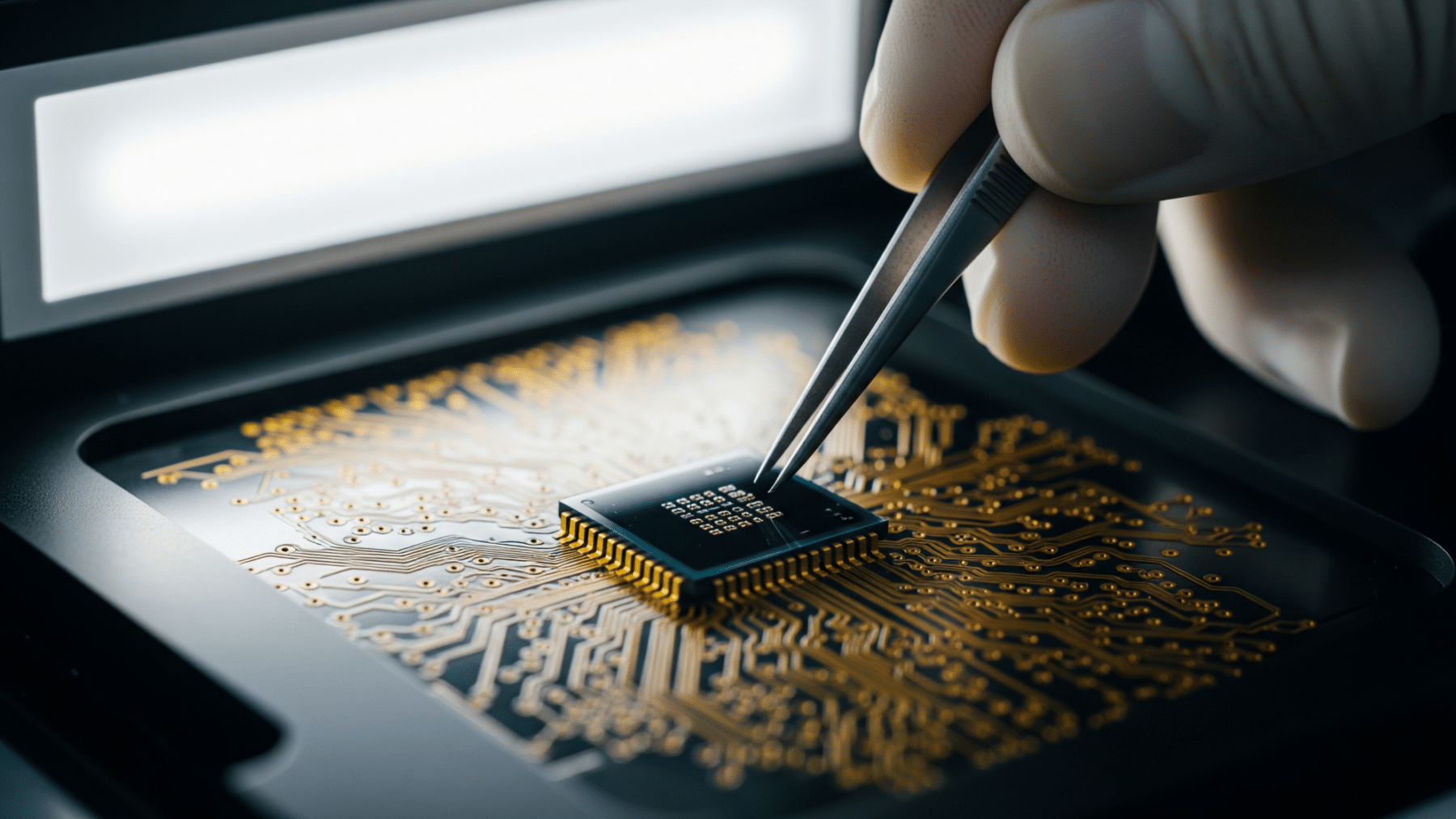
Google’s Pixel 11 is days away from its official debut, and the most consequential detail may be buried inside the phone rather than on its surface. The Pixel 11 series, powered by the Tensor G6, is reportedly set to be the first smartphone with a chip built on TSMC’s 2-nanometer (N2) process, beating Apple’s iPhone 18 Pro lineup by roughly a month.
A confirmed date, a contested milestone
Google has confirmed that its next Pixel hardware launch event will take place on August 12 in New York at 6:00 PM ET. The Pixel 11 series is expected to take center stage, alongside the Pixel Watch 5 lineup, new wearables, and a handful of software announcements. U.S. pricing has not been confirmed ahead of the event.
Google is officially teasing “the next generation of Pixel,” and the company is expected to unveil the Pixel 11, Pixel 11 Pro, Pixel 11 Pro XL, and Pixel 11 Pro Fold. Leaks suggest on-shelf availability could follow roughly a week after the event, based on last year’s Pixel 10 pattern. For the first time in Pixel history, Google opened up the ability to pre-order its new phones before the official unveiling event, after a countdown timer published by Best Buy and Google was set to end at 7am Pacific time on August 12, several hours before the 3pm Pacific kick-off time for the Made by Google event.
Taiwan’s Economic Daily News reported on July 13, 2026, that TSMC will manufacture the Tensor G6 chip in the Pixel 11, expected to launch in mid-August, using its 2nm process. That distinction is usually held by the latest iPhone, but Apple’s September release gives Google a month of exclusivity.
What the Tensor G6 actually changes
The Tensor G6 processor is expected to leverage TSMC’s 2nm-based N2 fabrication node, the same process node as Apple’s A20 Pro chip, which will power the iPhone 18 Pro. That represents a step forward from the Tensor G5, which was built on TSMC’s 3nm process.
The headline technical story of the Pixel 11 is not just the move to 2nm but the architecture that underpins it. TSMC’s N2 process uses Gate-All-Around transistor design, and the company states that mass production began on schedule in Q4 2025. That structure wraps the gate material around the conducting channel on all four sides, compared to the three-sided wrap of the FinFET transistors that have dominated smartphone silicon for more than a decade.
Under the hood, leaked specifications describe a seven-core CPU running in a 1+4+2 configuration using newer ARM C1 cores, a PowerVR C-Series CXTP-48-1536 GPU, Google’s updated Titan M3 security chip, and a MediaTek M90 modem. The leak points to at least one ARM C1 Ultra core at 4.11 GHz, four C1 Pro cores at 3.38 GHz, and two more C1 Pro cores at 2.65 GHz. Google has not announced any of these specifications.
Four models are expected: the Pixel 11, Pixel 11 Pro, Pixel 11 Pro XL, and the Pixel 11 Pro Fold. Leaked specifications suggest Pro models will ship with at least 16 GB of RAM, though Google has not confirmed memory configurations.
The chip transition is significant context for anyone following the broader silicon race. Google’s own laptop chip advances in 2026 have already shown how aggressively the industry is pushing into denser process nodes, and the Pixel 11 represents the first time that same frontier may arrive in a consumer smartphone.
Where Google stands against Apple and Qualcomm
That puts Google in an unprecedented position: the Tensor G6 would be the first mass-produced 2nm smartphone chip, powering the Pixel 11 series scheduled for launch in August 2026, about a month ahead of Apple’s iPhone 18 Pro lineup, which is also expected to use TSMC’s 2nm technology. For the first time, Google would not be trailing Apple’s chip manufacturing generation.
Economic Daily News reports that TSMC’s 2nm process is being used for Tensor G6, making the Pixel 11 the first series of smartphones to hit the market with this new process. Apple’s A20 chips, as well as next-generation Qualcomm Snapdragon and MediaTek Dimensity flagships, will also be adopting TSMC’s 2nm process, with those devices expected to arrive late this year and into early 2027.
Neither Google nor TSMC has confirmed the manufacturing process used for the Tensor G6. The August 12, 2026 Made by Google event is confirmed by Google; almost everything about the Tensor G6 chip itself is still leak-based. The full picture will become clear when Google takes the stage in New York on Wednesday evening.
The competitive calendar ahead
With Samsung having gone live on July 22, 2026, with its latest foldables, August is when Google hosts its Made by Google launch event to unveil the Pixel 11 series, leaving Apple roughly a month to respond. Apple’s fall 2026 iPhone launch will include the iPhone 18 Pro, iPhone 18 Pro Max, and the long-rumored foldable iPhone, with the standard iPhone 18 not planned until spring 2027.
The chip manufacturing gap that has long separated Google’s Pixel line from the top tier of Android and iOS devices is the deeper story behind the August 12 event. As transistor density records fall across the industry, the Pixel 11’s reported move to Gate-All-Around 2nm silicon would mark the moment Google’s in-house chip ambitions finally caught up to the process node its biggest rivals call home.
