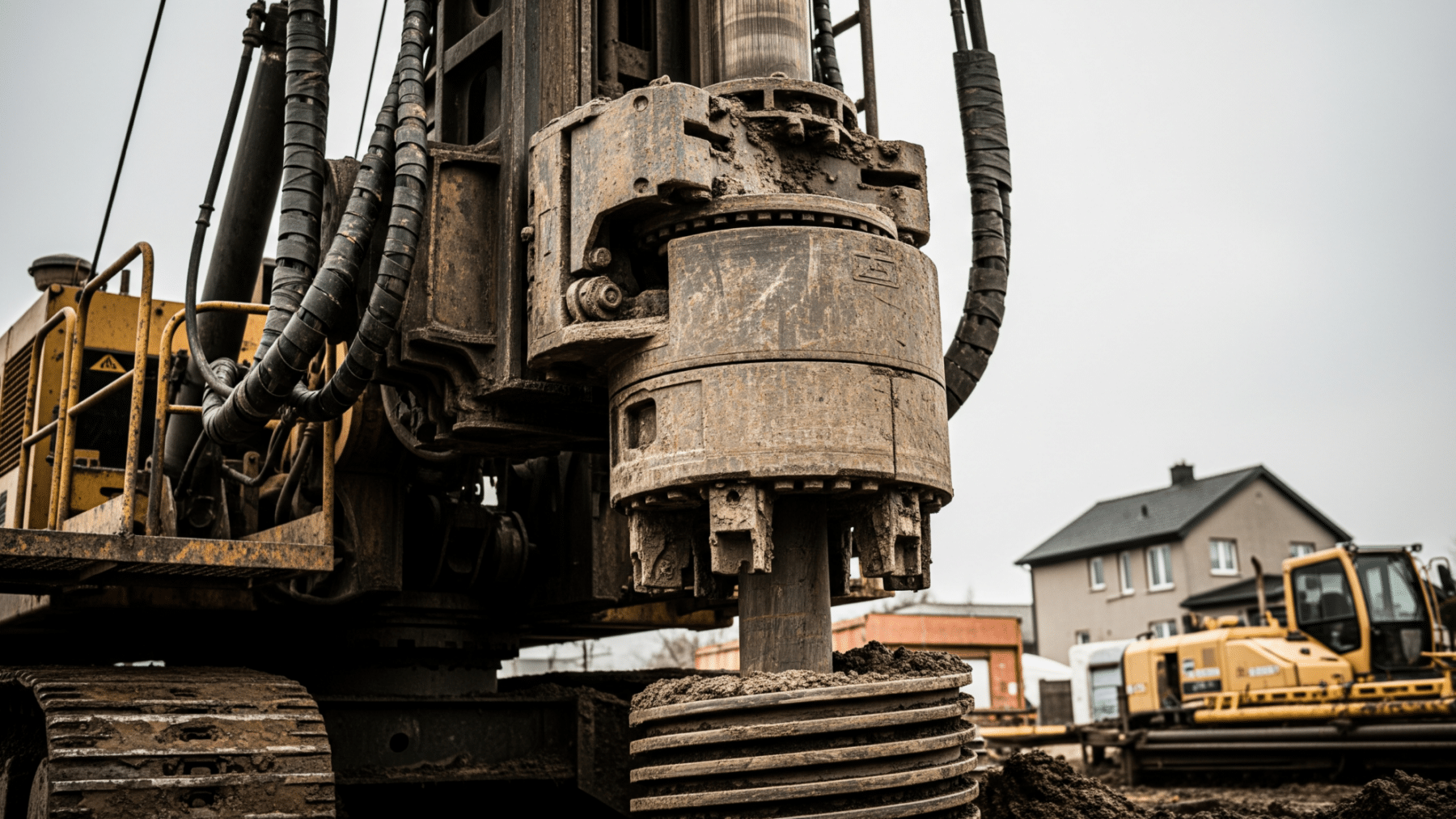
The pitch sounds almost too good to pass up. Install a geothermal heat pump and cut your home heating and cooling bill by as much as 65 percent, using nothing but the steady warmth the earth holds a few dozen feet below your backyard.
A geothermal heat pump uses the earth’s stable underground temperatures to reduce energy costs by 30 to 70 percent on heating and up to 50 percent on cooling. And for years, a federal tax credit made that investment dramatically easier to say yes to.
Why so many households have been circling this technology
A geothermal heat pump system costs about $25,500 installed for a typical three-ton residential project in 2026, with most homeowners paying between $20,000 and $27,000.
That is a lot of money up front.
The federal government had been effectively covering nearly a third of it. The Residential Clean Energy Credit, commonly known as the Section 25D credit, offered homeowners a 30% tax credit for geothermal projects, and the incentive had been available on such items placed in service through 2034, but at a 26% rate in 2033 and 22% rate in 2034.
Incomplete IRS figures show that at least 80,730 households took advantage of the credit for a geothermal system in 2023, with the average credit just over $12,000.
The number that made the math work for most buyers
On a $25,000 install, that 30 percent credit translated directly into a five-figure reduction in what you owed the IRS.
The Residential Clean Energy Credit equaled 30% of the costs of new, qualified clean energy property for your home installed anytime from 2022 through December 31, 2025, with the credit not available for any property placed in service after that date. Unlike some other credits, it had no overall dollar cap.
On a $25,000 installation, that translates to a $7,500 reduction in your federal tax liability.
No wonder industry data showed a rush to sign contracts through 2025.
The IRA had locked in that 30 percent rate through 2032, with a gradual stepdown to 2034. The payback math that contractors were handing to homeowners was built on that runway. As Congress debated geothermal’s long-term future, the financial floor under residential buyers was already being pulled.
How the sales conversation still goes in 2026
Walk into almost any HVAC contractor’s office today and the efficiency numbers are real. The long-term savings are real.
Drilling costs still run 50 to 70 percent of the total bill, and geology still determines whether your three-ton system costs $22,000 in flat Indiana farmland or $48,000 on Appalachian granite.
Existing ductwork compatibility is another hidden variable: geothermal heat pumps move more air at lower temperatures than gas furnaces, so undersized ducts can cause comfort issues.
Re-ducting a 2,000-square-foot house costs $3,000 to $7,000 on top of the base installation.
Many older homes have 100-amp panels, and a four- or five-ton geothermal system with backup heat strips usually requires 200-amp service, meaning a panel upgrade of $1,500 to $4,000.
What the brochure rarely leads with, though, is what happened to the credit on a specific date last year.
The catch that landed on January 1, 2026
The federal residential geothermal tax credit ended on December 31, 2025. The One Big Beautiful Bill Act (P.L. 119-21, signed July 4, 2025) terminated Section 25D for any residential expenditure made after that date, nullifying the Inflation Reduction Act’s prior 30%-through-2032 schedule.
The One Big Beautiful Bill Act (OBBBA), signed into law on July 4, 2025, rewrote the timeline without a phasedown period.
Under the law, Section 25D is not allowed for expenditures made after December 31, 2025. No phasedown. No grace period.
If installation is completed after December 31, 2025, the expenditure will be treated as made after December 31, 2025, which will prevent the taxpayer from claiming the section 25D credit. Per IRS guidance, “expenditure made” means installation completed, not contract signed, not deposit paid.
A contract executed in November 2025 with system commissioning in February 2026 does not qualify for §25D.
The projected market impact is concrete. Residential geothermal “will feel like two different markets” this year, according to industry analysis, with the loss of 25D, higher borrowing costs, and a backlog of projects from 2025 driving “a painful contraction.”
The commercial enhanced geothermal sector is operating under an entirely different incentive landscape, which partly explains why large-scale utility projects are accelerating even as residential installations face headwinds.
What a homeowner signing up today actually has left
The efficiency of the technology itself has not changed. The U.S. Environmental Protection Agency reports that geothermal systems reduce heating expenses by 30% to 70% and cooling expenses by 20% to 50% when compared to standard heating and cooling systems, offering significant long-term savings.
Commercial geothermal projects tell a different story: the investment tax credit for business-owned geothermal systems survived the legislation, with a base rate of 6% scalable up to 30% with prevailing wage, domestic content, or energy community bonuses, and applies through 2032.
For homeowners, what remains is patchwork. State, utility, and rural-program money is real, but smaller and far more variable by location.
New York offers a state tax credit of 25% of costs up to $10,000 for systems placed in service on or after July 1, 2025, Connecticut offers low-interest Smart-E financing and utility rebates of up to $1,500, and Massachusetts offers 0% interest HEAT loans to help finance the remaining project cost after rebates.
New ownership models that reduce homeowners’ upfront costs are being watched closely, since the digging and installation of a ground loop is by far the most expensive part of a project.
The ground itself still holds heat year-round. The math on accessing it just got harder to make work.
