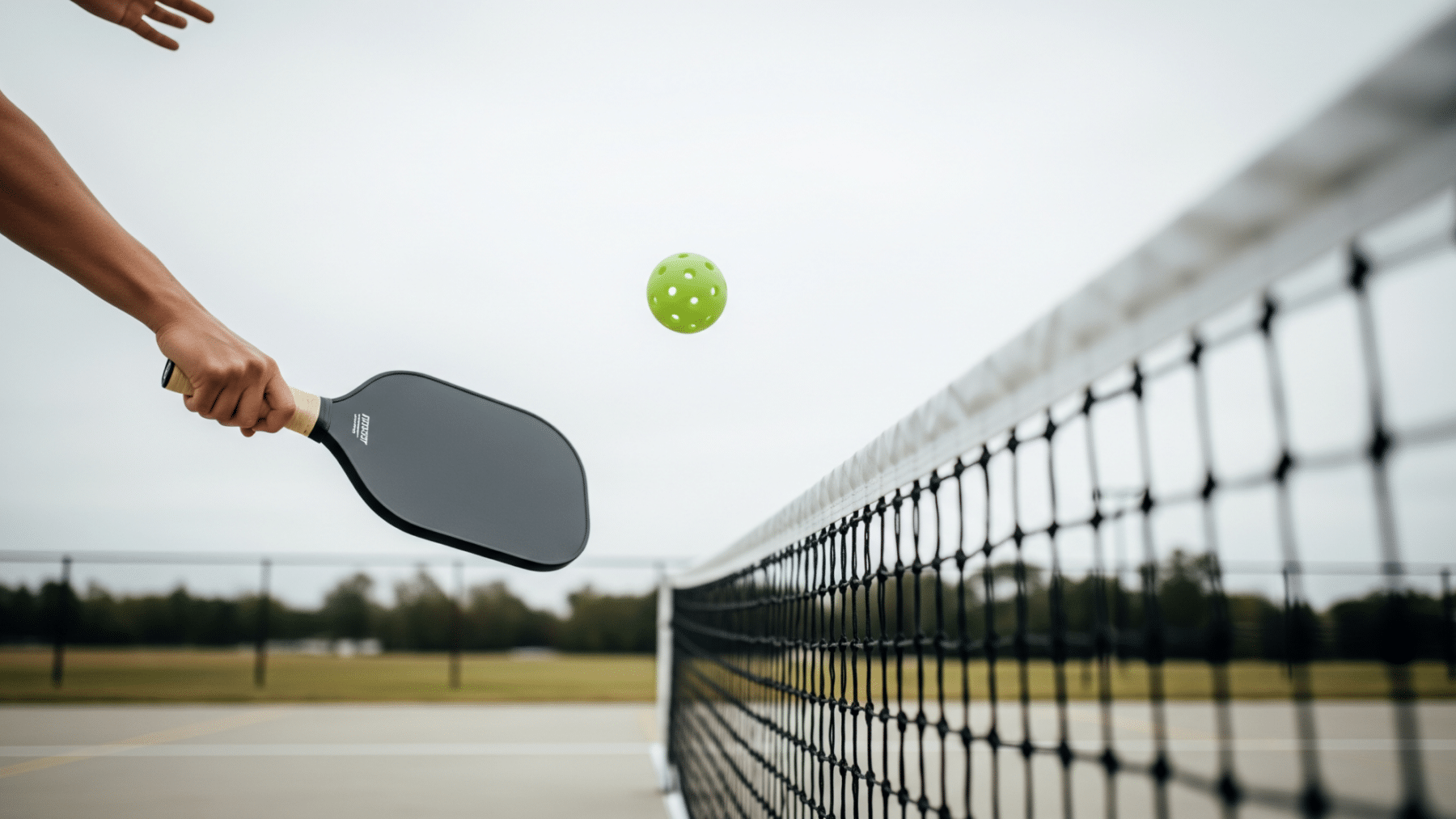
For the first time since the Sports & Fitness Industry Association (SFIA) began tracking participation, 250 million Americans took part in at least one sport, fitness, or leisure activity in 2025. Within that headline figure, one sport stood apart: pickleball grew 22.8 percent to an estimated 24.3 million players, holding its title as America’s fastest-growing sport for a fifth straight year.
A milestone for American leisure
SFIA’s 2026 Topline Participation Report, released March 12, tracks activity rates across 126 categories for Americans ages six and older. It includes 10-year trend analyses by category, detailed examinations of inactivity, and new insights into how frequently Americans are achieving federal guidelines for recommended weekly activity.
Overall participation grew 1.2 percent year over year, a moderation from the 1.7 percent average annual growth rate since 2020, while core participation reached 158.8 million, increasing 1.3 percent year over year.
SFIA added two activities to this year’s report, disc golf and padel, bringing the total number of sports tracked to 126. The additions reflect the broadening range of activities Americans are pursuing in their free time.
Pickleball’s five-year surge
The player base grew from 4.2 million participants in 2020 to 24.3 million in 2025, an increase of more than fivefold in just five years. Roughly 4.5 million new players took up pickleball in 2025 alone, according to SFIA data.
That total breaks into 16.8 million casual players, who play one to seven times a year, and 7.48 million core players, who play eight or more times a year. The core group grew 20.4 percent year over year.
Teens and young adults ages 13 to 24 now post the highest participation rates of any age segment, according to the SFIA 2026 Pickleball Single Sport Report. Women accounted for 42.9 percent of all pickleball players, up from 38.6 percent in 2020.
The sport’s demographic spread has widened considerably as community programs and dedicated court construction expanded access beyond the retirement communities where it took root decades ago.
Pickleball is not the only racquet sport on the rise: SFIA data show that the 10-year participation trend for racquet sports as a category rose from 19.7 percent in 2024 to 20.5 percent in 2025. Those figures suggest broader momentum across the court-sport segment rather than a single-sport anomaly, which is good news for the growing cohort of Americans who are, as research suggests, looking for shared activities to rebuild social ties after years of documented declines in close friendships.
Team sports and a troubling teen gap
Team sports participation passed 90 million for the first time in SFIA history, led by basketball, baseball, and outdoor soccer across youth age groups. Flag football continued to climb among both boys and girls.
Despite the record headline number, SFIA flagged a warning sign inside the data: teen inactivity among ages 13 to 17 increased 4.4 percent year over year, the only age group to record a rise. Cost and affordability of programs continue to be significant obstacles to participation, with lower-income households facing higher barriers related to affordability, access, and time constraints.
Under the report’s new frequency measure, just 32 percent of Americans meet the federal recommendation of 150 minutes per week of moderate-intensity physical activity. The other 68 percent do not yet meet that guideline.
While youth respondents identified team sports such as soccer, basketball, and baseball as activities they would like to try in the next 12 months, as those people age their interests often shift to singular pursuits such as fishing, hiking, and yoga. SFIA sees involvement in adult sport and social leagues as one opportunity to keep people active as they age.
What the numbers mean for leisure culture
The SFIA report arrives as Americans show a willingness to commit real time and money to active recreation. The 250 million participation figure covers everyone from someone who laced up running shoes once to a daily court regular.
The growth in core participants, those who show up repeatedly throughout the year, points to a deeper shift in how Americans are structuring their free time. That shift has knock-on effects beyond sport: active leisure spending, court construction, and gear sales all track closely with core participation rates.
For policymakers and community planners, the cost barrier among teenagers is the report’s most pressing finding. Teen inactivity levels are rising among 13-to-17-year-olds, and while inactivity declined for both men and women, the gap between their rates widened, reaching 6.3 percentage points compared with 5.9 points the previous year.
Those trends, SFIA noted, reinforce why access and affordability remain central challenges even in a record-breaking participation year. Americans who are already stretching budgets across everyday expenses, a pattern well documented across discretionary spending categories including travel, face real friction when recreational costs rise.
SFIA’s full 2026 Topline Participation Report is available through the association’s website, with the separate Pickleball Single Sport Report, released June 4, 2026, offering deeper demographic and cross-participation breakdowns for the sport that continues to redefine American recreational culture.
