Walk into any specialty running store this summer and the shelf layout tells a story.
Premium sports watches dominate the center rack. Basic fitness bands have been pushed to a corner peg. The mid-tier smartwatch, the kind that does email and steps but little else, is quietly disappearing. And the numbers now confirm what those shelves have been saying for months.
How a sports-data focus turned a niche watchmaker into a market-share machine
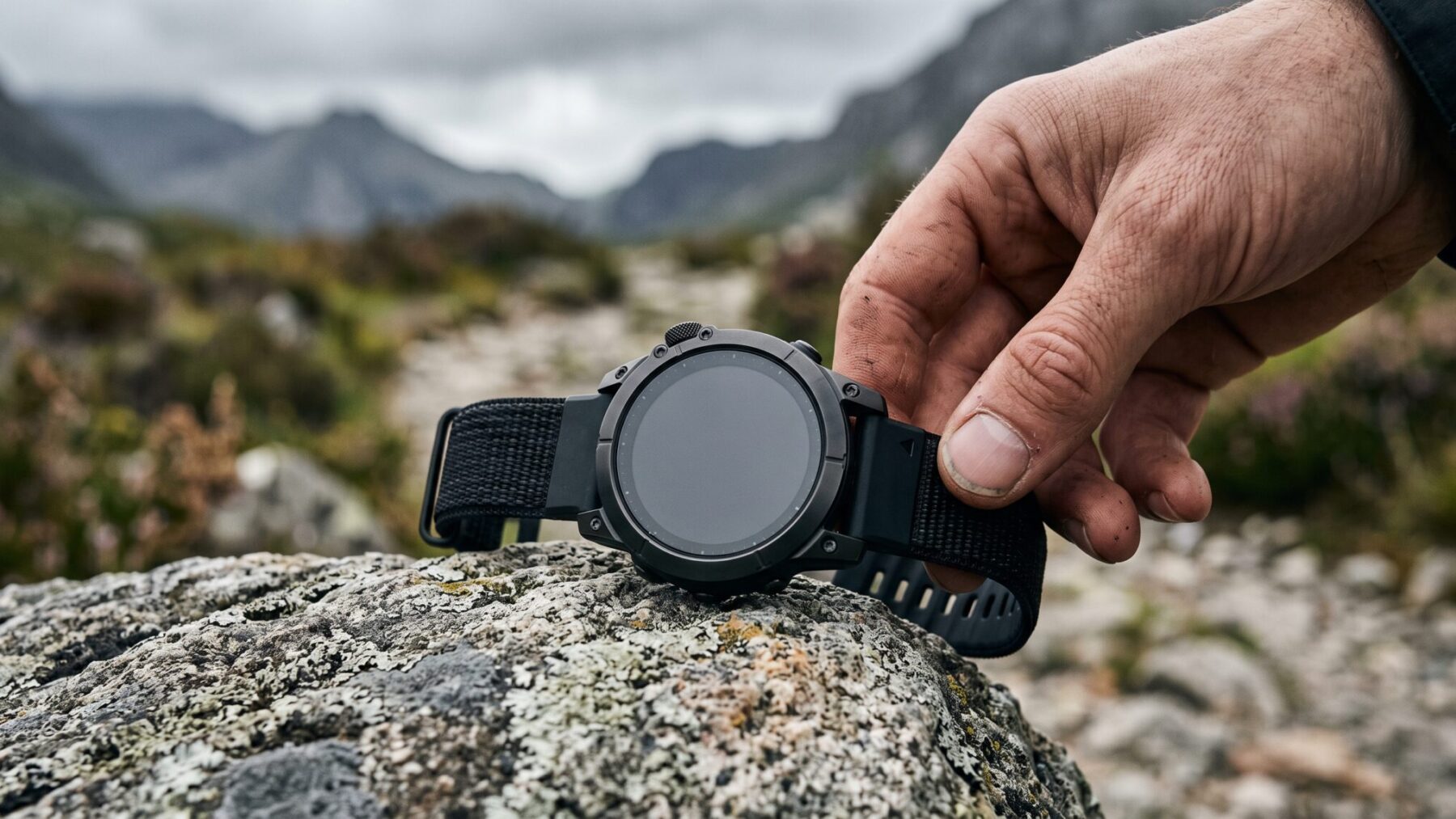
The mechanism is almost counterintuitive: by refusing to chase the mainstream, a Kansas-based navigation and sports-watch company ended up claiming a bigger slice of it. Garmin built its reputation on precise GPS training metrics and battery life measured in weeks rather than hours. While rivals loaded watches with payment chips, social feeds and cellular calls, Garmin deepened the one thing serious athletes actually care about: accurate, actionable data.
Omdia Research Director Jason Low described the wearables market as polarizing toward two growing categories, where consumers want either minimalist, screenless trackers they can wear around the clock or feature-rich sports watches with superior accuracy and multi-day battery life, while basic watches and mid-tier smartwatches are being left behind. Garmin sits squarely in the premium camp.
Omdia noted that Garmin’s gains “highlight a clear trend”: buyers are increasingly willing to pay premium prices for devices that deliver advanced training data. That positioning is resonating in a way no mid-tier refresh could replicate.
What the wristwatch aisle actually looks like right now
Global wearable band shipments fell 2 percent in Q2 as consumer demand polarized between screenless trackers and advanced sports watches, according to fresh Omdia data. That headline number hides a market in active transformation rather than simple decline.
Smartwatches grew 6 percent, powered by advanced sports models, while basic fitness bands fell 9 percent. The overall figure is being dragged down by the very segment that used to be the entry point for millions of first-time buyers. The premium end is genuinely growing.
Screenless trackers are picking up steam on the other flank, passing 15 percent of basic-band shipments in Q2, a category that barely registered on market-share tables two years ago. The wearables aisle that once had one obvious answer now has two very different answers for two very different buyers.
The numbers behind the shift and where they come from
Within the overall 2 percent decline, Garmin’s smartwatch market share grew to 15 percent, up from 11 percent a year earlier, according to preliminary Omdia data. Apple’s share slipped from 48 percent to 46 percent, and Samsung’s fell from 17 percent to 15 percent.
That 4-point Garmin climb is the largest gain posted by any non-Apple brand in the quarter. Omdia says Samsung stayed only “marginally ahead” of Garmin in actual unit shipments, keeping Samsung ranked second by a narrow margin. For a segment framed as Apple, then Samsung, then the field for the better part of a decade, that framing no longer holds as cleanly as it once did.
Garmin’s screenless band, the Cirqa, went on sale in late July, after this quarter closed, meaning these gains came from watches alone. Its entry into the other growth category still feeds into Q3 numbers. The best result may still be ahead.
Where the model breaks down and what Samsung still holds
Garmin’s position is strong but not without limits. The brand commands premium pricing, with most popular multisport watches carrying retail tags well above $400, which walls off first-time buyers hunting for an affordable entry point. Garmin also leans hard into training data at the expense of everyday conveniences like payments and app access.
Samsung may recover in Q3 after launching its Galaxy Watch 9 and Galaxy Watch Ultra 2, both well received. Its ecosystem connects seamlessly with hundreds of millions of Android phones, a structural advantage no sports-data ranking can easily replicate. The gap in actual unit volume, though narrowed sharply, is still real.
The hardware market’s broader stratification between premium and ultra-budget, with the middle shrinking, mirrors exactly what is happening on the wrist. The math gets harder before it gets easier.
What the wearables split means for buyers and the next round of devices
The practical takeaway for anyone shopping a wrist right now is that the middle of the market is the worst place to spend money. Devices that promise everything, steps, sleep, payments, notifications and GPS, are losing buyers on both ends simultaneously.
A runner who trains seriously is moving up to a dedicated sports platform. A sleeper who just wants overnight data is moving down to a screenless band. That two-direction migration is compressing the mid-tier from both sides at once, and the compression is accelerating.
IDC forecasts hearable shipments to reach 407 million units in 2026, supported by AI assistant features and biometric monitoring, suggesting the broader wearables growth story is partly migrating off the wrist entirely. As personal health data moves through more connected devices, the same principles that make a corporate data breach so costly apply at the individual sensor level too.
Garmin’s next quarterly numbers will show whether its screenless entry extends the run or simply pulls buyers from its own watch lineup. Either way, the company enters Q3 holding a position almost nobody predicted twelve months ago: level in share with a rival that has held second place so long it stopped looking over its shoulder.
