The ground beneath a South Korean city felt it before any instrument did.
A shudder, then a crack, then walls moving. The plant had not yet produced a single watt.
Enhanced geothermal energy is one of the most compelling pitches in power today: drill anywhere, crack the hot rock, circulate water, make electricity.
The pitch is real. So is the catch.
When water goes in at extreme pressure, the rock does not always break the way engineers planned. What happens next has permanently ended two projects and triggered a question every developer must now answer before a permit gets signed.
Why pressurized water underground can move a fault
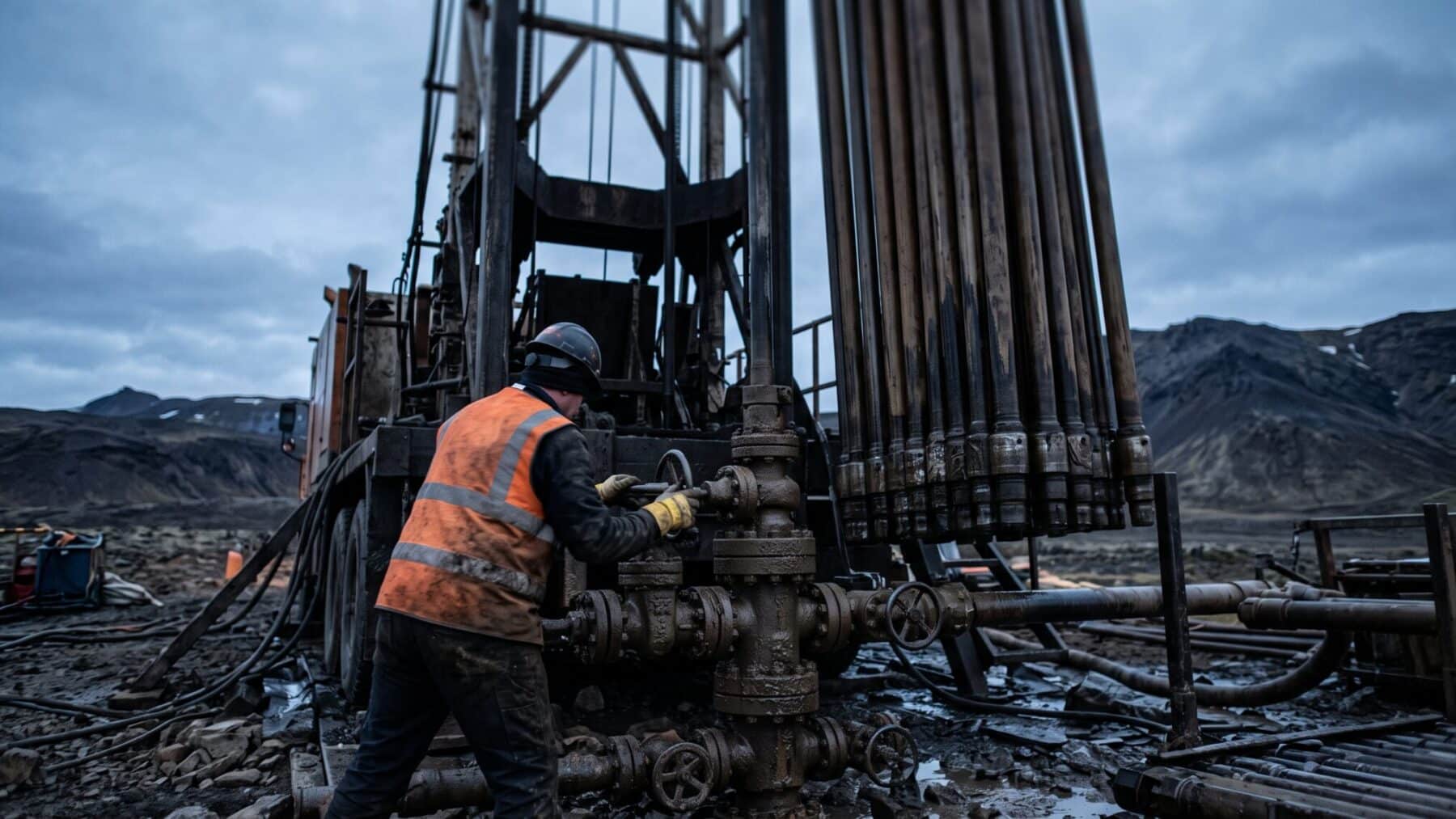
Enhanced geothermal systems, or EGS, work by drilling deep into hot dry rock that holds enormous heat but no natural cracks wide enough for water to flow through. Fluids injected under high pressure stimulate fractures that improve fluid connectivity, but that same pressure increase can reactivate pre-existing fault systems that no surface survey ever detected.
The fault does not need to be large or well-mapped to respond. Induced seismicity risk from EGS is estimated to be higher than for conventional oil and gas injection, a meaningful benchmark given how much attention wastewater-disposal earthquakes in oil country already receive.
Worse, the danger does not end when the pump stops. Post-injection seismicity remains a documented problem: changes in pore pressure and Coulomb stress can trigger earthquakes well after injection has ceased. Shutting the well is not the same as making the ground safe.
What 4 kilometers of drilling produced in South Korea
The Pohang project drilled two boreholes to approximately 4.35 kilometers each and began injecting water to stimulate the rock. The resulting magnitude-5.5 earthquake caused dozens of hospitalizations, one fatality, and over 57,000 damaged structures, with direct losses exceeding $75 million and total economic impact estimated near $300 million. The plant was permanently terminated without ever delivering power.
Basel, Switzerland had gone first. A geothermal project there was suspended after six days of stimulation triggered a sequence of seismic events, the largest reaching magnitude 3.4, causing widespread minor damage across the city. A formal hazard evaluation followed, and the project was cancelled in December 2009.
The financial toll compounds the physical one. Drilling accounts for 30 to 57 percent of the cost to develop a geothermal plant, meaning an abandoned project is almost entirely sunk cost. That reality sits at the center of why so few grid-queue projects ever reach commercial operation.
The evidence that made regulators pay attention
It took Pohang to crystallize what Basel had only suggested. A peer-reviewed analysis published in Reviews of Geophysics, covering the full body of EGS seismicity literature, found that induced seismicity can lead to project terminations or moratoriums. It called for a modular management framework covering pre-screening, hazard and risk assessment, traffic light protocols, seismic monitoring and formal community communication plans before any injection begins.
Traffic light protocols set magnitude thresholds at which operators must slow, pause or stop injection entirely. Basel had established a basic operational approach but had not performed a thorough seismic risk assessment before stimulation started. That gap between planning and practice is precisely what the new guidelines try to close.
The lead author of that review noted that the legal framework to regulate EGS is still in its infancy, and that novel drilling technologies are outpacing the rules written to govern them.
Where the risk is manageable and where it is not
Not every EGS site carries equal danger. Operations in France, Finland and at Utah FORGE in the United States have adequately managed induced earthquake risks by combining careful site selection with real-time seismic monitoring and a willingness to throttle injection the moment sensors flagged movement. Those projects are still running.
The difference often comes down to what lies underground and whether anyone mapped it thoroughly before drilling began. Naturally occurring geothermal settings tend to cap maximum quake size through their own geology, a ceiling that EGS in quieter rock does not enjoy.
Urban sites face the steepest trade-off. In remote areas, seismicity exposure is lower, but the heat cannot easily reach homes. In cities, the heat can be sold, but the population at risk is far larger. That is a policy problem as much as an engineering one.
What the next wave of projects has to get right
Federal agencies are funding demonstration projects across the United States, including an effort to convert a Pennsylvania shale gas well to geothermal power using existing boreholes. Repurposing a well that already exists sidesteps some of the drilling cost and limits the unknown-geology problem that ambushed Pohang. It also gives regulators a known subsurface record to work from before a drop of stimulation fluid goes in.
Even so, post-injection seismicity remains an open research problem. Scientists have shown that gradual pressure bleed-down after injection, rather than sudden shut-in, reduces fault slip risk in laboratory conditions. Field-scale confirmation is still accumulating, and high-temperature seismometers built specifically for near-field microearthquake detection at EGS depths are only now reaching deployment.
Enhanced geothermal’s promise is genuine and the heat resource is enormous. But the two projects that woke cities with uninvited earthquakes set a baseline every new developer must beat before the first liter of water goes underground. The engineering is advancing. The ground, as always, gets the final word.
