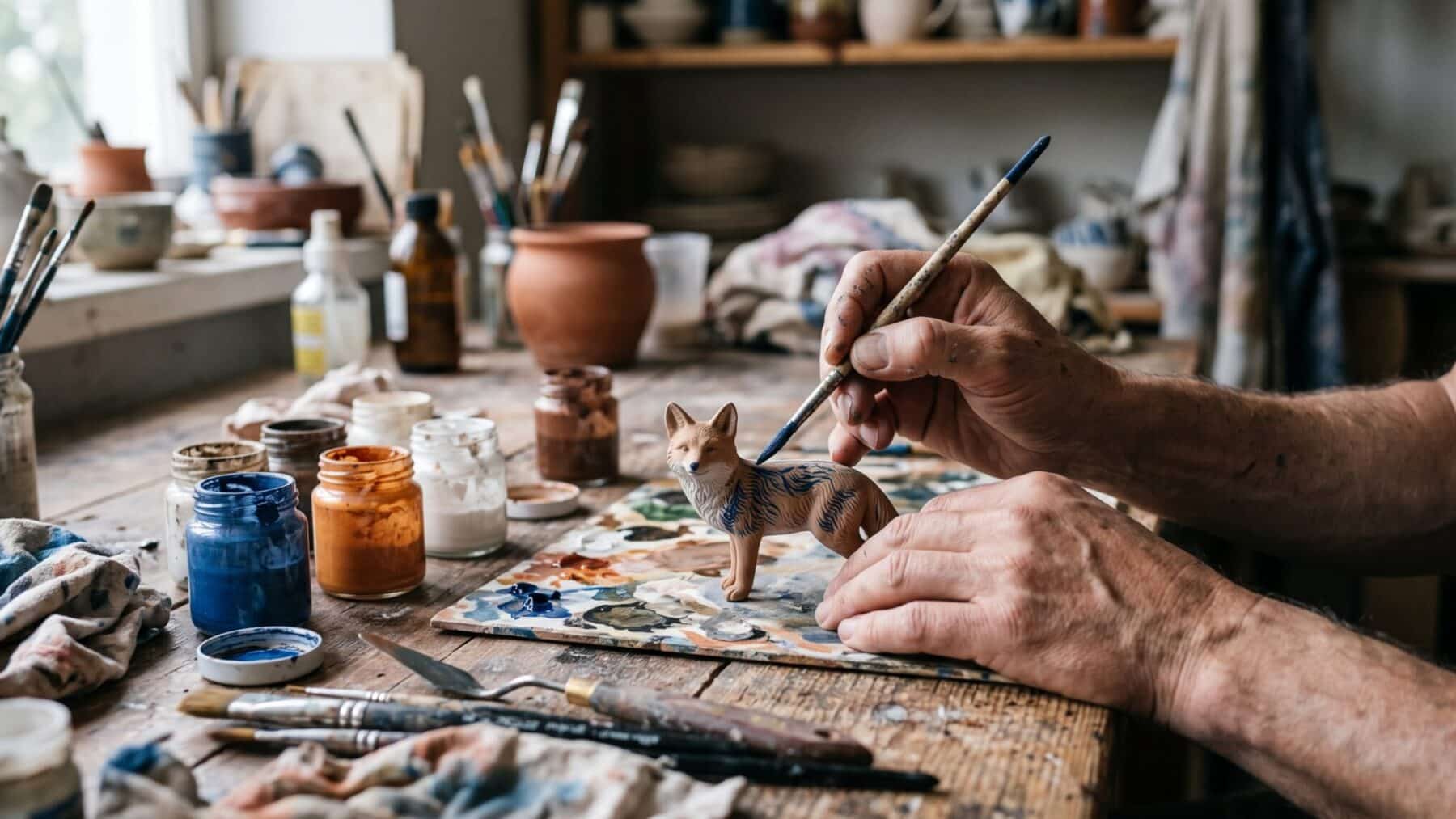
Deliberately structuring free time around goals, new skills, and social connection, a concept researchers call “leisure crafting”, measurably raises creativity and sense of meaning at work, according to a peer-reviewed randomized controlled trial published on January 8, 2026, in the journal Human Relations.
What the trial tested
The study, by researchers from Erasmus University Rotterdam and the University of East Anglia, explored how leisure crafting, intentionally shaping free time through goal setting, learning, and connection, does not just boost well-being outside the office but can spill over into creativity, engagement, and meaning at work.
A five-week randomized controlled trial compared an intervention group of 196 participants against a passive control group of 266 participants. The research team conducted the leisure crafting intervention by asking the intervention group to watch a short video in which they were guided to make a personal plan about how to approach their hobby in a more meaningful way.
Participants in the intervention group were 114 women and 82 men, with an average age of 46 years. They were asked to try doing their hobby in a way that helped them feel more in control of their life, for example, by setting their own goals or doing their hobby in a way that fitted their lifestyle.
They were also encouraged to learn new things through their hobby, and to feel more connected by doing their hobby with other people or asking for feedback from others.
What participants reported
The intervention group experienced a greater increase in leisure crafting, employee creativity, and meaning at work. The control group, which received no guidance on their free time, showed no equivalent gains over the same period.
Creativity benefits from learning, intrinsic motivation, and exposure to diverse perspectives, and leisure crafting supports all three. Learning during hobbies builds skills, personal choice increases motivation, and social hobbies expose individuals to new ideas.
The intervention also positively affected affective well-being, but the authors found this benefit was most pronounced for older employees. They link that finding to evidence that older adults tend to prioritize quality, that is, emotional closeness, over quantity of experience.
The pattern matters against a backdrop of shifting leisure habits. According to a Pew Research Center survey conducted July 8, August 3, 2025, about 53 percent of Americans said they had seen a movie in theaters in the past year.
Separately, a GCN report found that 55 percent of Americans are cooking at home more often in 2026, a trend that fits the kind of goal-directed domestic activity leisure crafting describes.
Implications for how employers view free time
The most consistent finding of the intervention study was that leisure crafting has the potential to enhance work-related benefits, meaning at work and employee creativity, rather than non-work benefits, positioning leisure crafting as a potential organizational asset.
The authors suggest organizations could make hobbies eligible for employee or personal development funds and recognize leisure-time commitments as a life domain important alongside family commitments. They could also offer similar interventions as online or on-site masterclasses or personal development modules to help employees grow in a holistic rather than exclusively work-related way.
The finding adds a new dimension to the growing body of research on how personal habits shape professional output. Earlier research covered by GCN showed that people who doodle simple shapes while listening recall 29 percent more of what was said, pointing to a broader pattern in which small, informal activities during downtime can carry measurable carry-over effects.
Study scope and next steps
Published in Human Relations in January 2026, the findings show that giving people simple, actionable guidance about how to grow through their hobbies can make a measurable difference in their working lives. The authors note that the trial’s online design means future research should examine whether in-person leisure crafting programs produce larger or faster effects.
Leisure crafting may serve as an effective organizational tool to help older employees sustain satisfactory affective well-being, a consideration growing in relevance as workforce demographics shift and employers look for low-cost retention strategies beyond pay.
The full study, led by Paraskevas Petrou of the Department of Psychology, Education, and Child Studies, Erasmus University Rotterdam, alongside co-authors Laura den Dulk and George Michaelides, is available via Sage Journals.
