Someone drove forty minutes to get there.
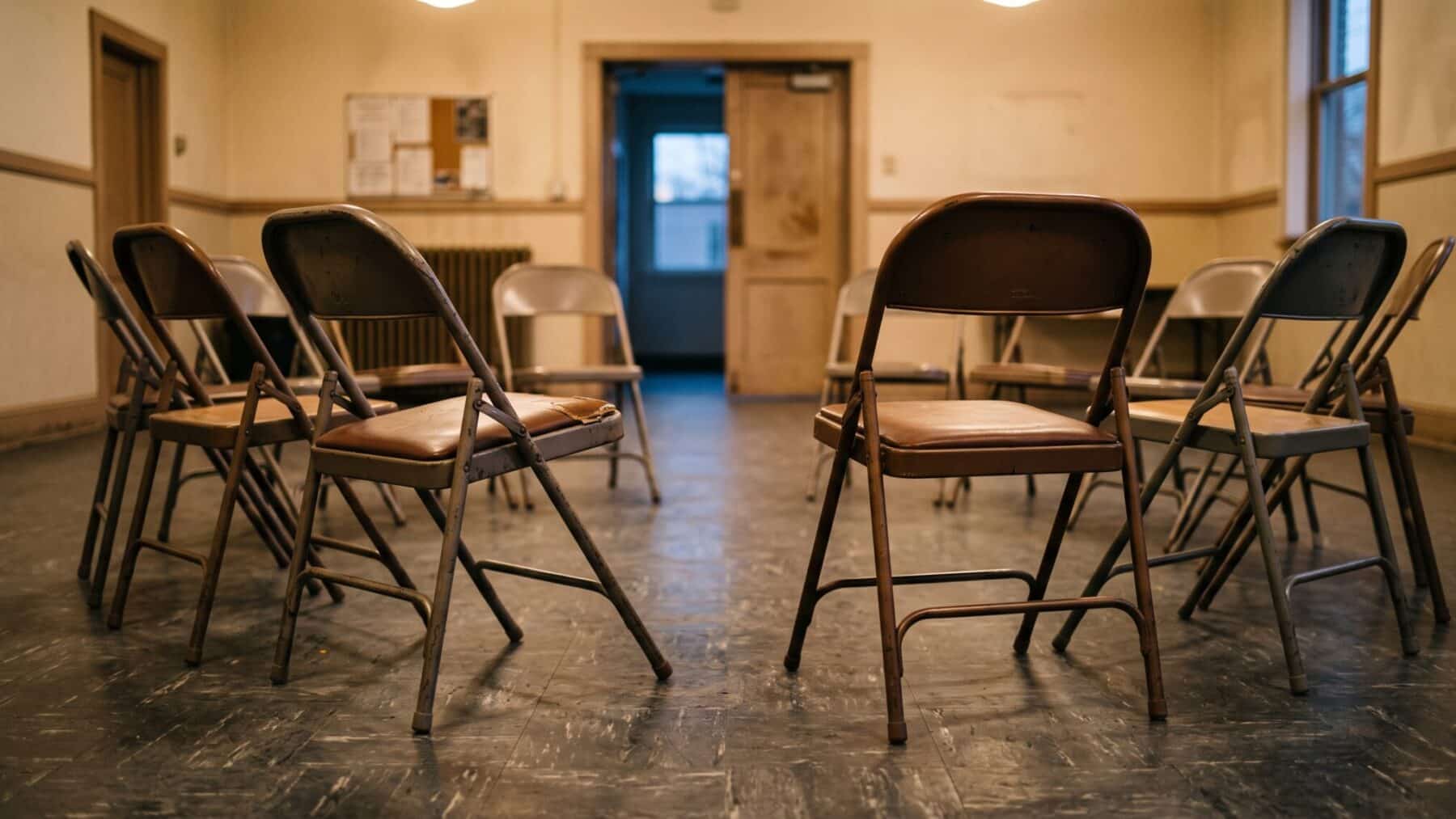
Picture a Wednesday evening: twelve strangers pulling folding chairs into a rough circle in a library meeting room. Someone brought cookies. A phone-based app found every one of them and told them this was free.
That promise held for a long time. Then the owner changed, and the fine print changed with it.
So what exactly did the paywall swallow, and why does it matter to the millions of Americans already struggling to make close friends?
Why paywalling conversation kills the whole point of community events
The core logic of any in-person friendship platform is simple: people show up to an event, they want to talk before and after, and the app is the thread that connects them. Remove that thread and the platform becomes little more than a bulletin board with a calendar attached.
That is exactly what happened when direct messaging between ordinary members moved behind a paid subscription. Full member and attendee lists, extended profile viewing, and peer-to-peer contact all shifted behind a paid upgrade too. Free members can still message group organizers and see basic profiles, but the micro-interactions that matter most, carpooling, post-event follow-ups, side conversations, now require a paid tier.
Those are precisely the moments that turn a one-time attendee into a regular and a regular into a real friend.
So the mechanism is not a bug. It is a deliberate design choice: make the free experience just functional enough to keep people registered, then charge for the social glue that makes showing up worthwhile.
What the platform looked like when 60 million people chose it
At its peak, the app was one of the easiest ways an adult in any city could walk into a room of people who shared an interest, hiking, board games, coding, anything. With 60 million members across hundreds of cities worldwide, it ranked as the leading option for in-person community building. That scale meant a major metro might have hundreds of active groups on any given week.
The platform was among the first to build this category at scale, launching in June 2002. But it has been mid-renovation since being acquired in January 2024, with product changes rolling out through 2025 and a more unified organizer-and-member experience on the roadmap. For the millions of Americans already fighting a documented shortage of close friendships, the original free-and-open model had real social value.
Volunteers, not paid staff, ran the vast majority of groups. Event organizers are not businesses. Most held free gatherings out of genuine enthusiasm, paying the platform’s subscription fee themselves, out of pocket. That volunteer economy is what made the pricing shift so jarring when it arrived.
The numbers behind the price shift organizers actually faced
The new owner acquired the platform in January 2024 and moved quickly on pricing. Organizer subscription prices for Standard and Pro plans moved several core features behind its new paid tier starting June 2024, with annual plans that had cost around $109 before the acquisition climbing to roughly $215 within the same year, nearly doubling.
The fee to run full-featured groups rose substantially, and some organizers reported receiving only short notice before changes took effect. Trustpilot reviews turned overwhelmingly negative, with recurring themes around price increases without warning, difficult cancellations, and limited customer support.
Then, in October 2024, the platform moved several core features behind its new paid tier. When a popular event fills up, paying subscribers get bumped ahead of free members on the waitlist. The waitlist used to be strictly first-come-first-served. Now it is pay-to-skip, and for anyone unwilling to pay, popular events became harder to enter regardless of how early they signed up.
Where this catches everyday users who never planned to spend a dollar
The sting for ordinary members is that they joined believing the app was free for attendees. Joining a group costs nothing. RSVPing costs nothing. But the experience behind those actions, seeing who else is coming, messaging a new acquaintance afterward, holding a waitlist spot without being bumped, now carries a price.
Users who upgrade to a paid plan have reported difficulty returning to the free tier, making the decision harder to reverse than it first appears. For Americans already watching social spending add up, a single night out now runs close to $190 all-in before any app subscription is counted.
The platform monetized the fairness of the old system by selling priority access. When budget-conscious members get bumped down a waitlist by premium subscribers, the platform steps away from its founding philosophy: that community belongs to those who show up, not those who pay. That shift in principle has driven the loudest complaints, more than the dollar figures alone.
What the free tier still offers and where the model goes from here
A free Starter account still allows one group, two in-person events per month, and a maximum of ten attendees per event, with no online events, no recurring events, and no payment collection. For someone testing the waters in a new city, that is workable. For anyone trying to build an ongoing community of real size, it is a hard ceiling fast.
The acquirer, which also owns Evernote and WeTransfer, has followed a similar playbook across its portfolio, raising prices and paywalling previously free features. Rival platforms are gaining ground: free alternatives built on community infrastructure are attracting organizers who left, and several major metro areas now have competing event networks pulling from the same user base.
Research consistently shows that apps facilitating in-person meetings convert to real friendships more reliably than chat-first platforms, and the key is moving from screen to real life as fast as possible. That dynamic still holds. The question organizers and members are asking now is whether a platform with a paywall on messaging, attendee lists, and fair waitlists can still deliver on the original promise.
For the volunteers who quietly closed their groups over the past year, the answer was already no. For the millions still on the platform, the calculation is ongoing.
