A white envelope lands in the mailbox, same as always.
One page. One total due. Most households file it and move on.
But in a commission room in Raleigh, a figure that would change that total by up to thirty dollars a month is now sitting in front of regulators.
More than 71,000 people have already signed a petition demanding answers.
So how does a regulated power company justify asking for that much more?
How grid spending legally becomes a larger monthly bill
Electric utilities in the United States operate as regulated monopolies, which means they cannot simply raise prices. Instead, they must file a formal rate case with their state commission, document every dollar of capital investment made since the last approved rate, and ask regulators to let them earn a set return on that spending. The mechanism is direct: build the grid, record the cost, file the case, collect from customers.
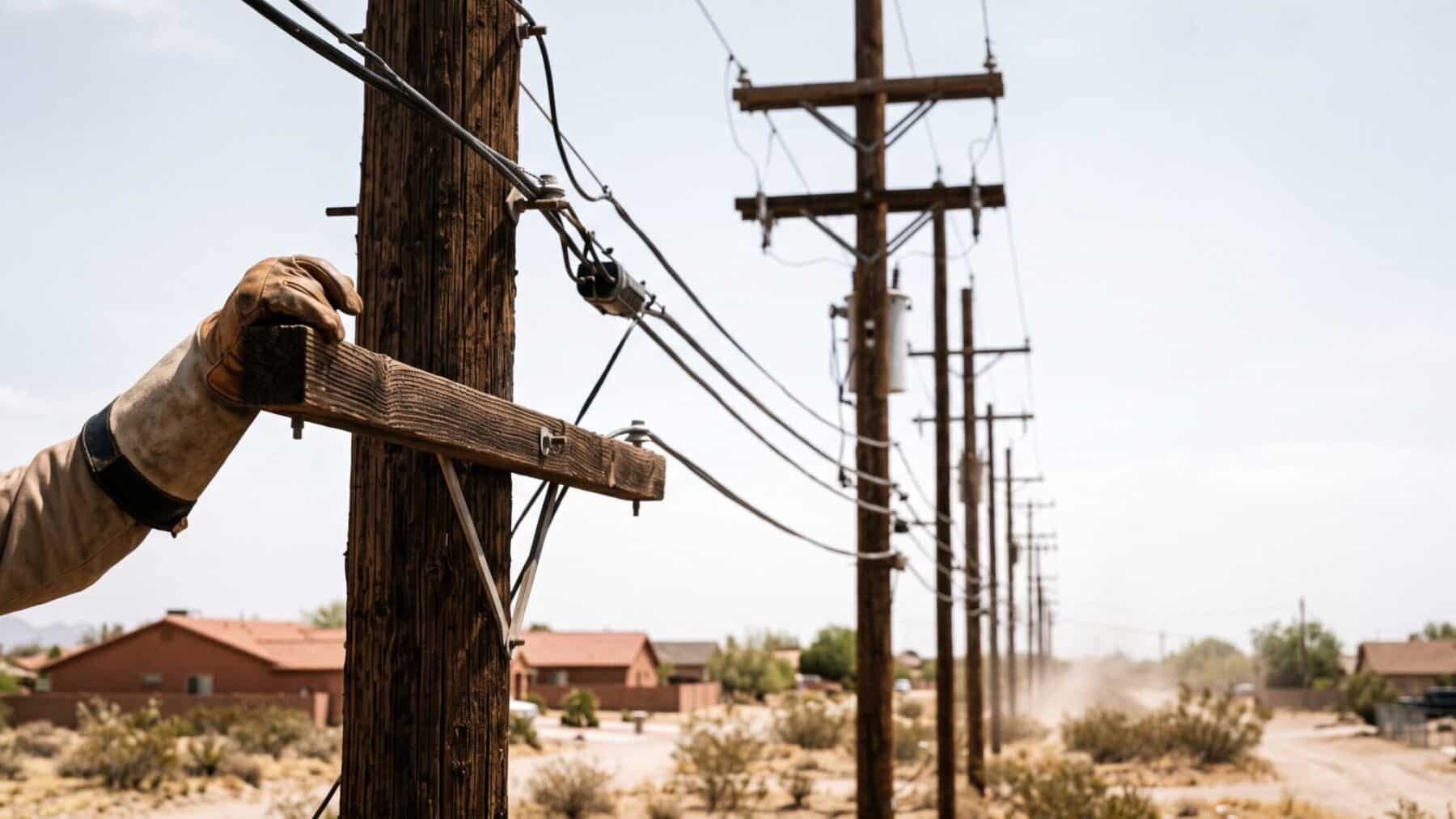
That structure makes a rate case the delayed invoice for infrastructure already in the ground. Poles, wires, substations and software upgrades are purchased first, and the bill reaches customers months or years later, once commissioners have reviewed every line item.
Regulators rarely reject these requests outright. Because utilities earn a guaranteed return on approved capital, the incentive runs toward spending more, not less, and the sector appears to be entering a capital investment super-cycle that keeps new rate cases arriving before the last round of increases has settled into household budgets.
What the North Carolina filing looks like on the ground
Duke Energy filed rate requests with the North Carolina Utilities Commission on November 20, 2025, seeking an increase in residential electric rates of up to 18%, phased in over two years. For the average customer, that works out to roughly up to $30 more per month by 2028, varying by subsidiary and usage, landing on a bill that has already risen about 22% since 2020.
The public response has been striking. More than 71,000 people had signed a petition calling for an independent audit of Duke Energy’s billing practices. In Rocky Mount, protesters gathered ahead of a special city council meeting, and the state Utilities Commission heard directly from residents at a public hearing in Raleigh. That kind of street-level visibility is unusual, because rate cases are ordinarily decided by lawyers, engineers and economists with almost no public profile.
Seventy-one thousand signatures is not a small number for a regulatory docket.
The national pile of filings those numbers join
North Carolina is not isolated. PowerLines’ quarterly index shows utilities requested over eighteen point six billion dollars in electric and gas rate increases in the first half of 2026, with a record $9.2 billion filed in the second quarter alone, surpassing the same quarter the prior year by 26 percent. That total sits on top of the record-breaking nearly $31 billion requested in 2025 and $15 billion the year before that.
These are not projections; they are the sum of actual filings submitted to state commissions. Residential electricity rates rose 7.3% year-over-year as of April 2026, according to EIA data cited by PowerLines.
Investor-owned utilities have been accelerating the pace at which they seek new price increases, meaning the pipeline of future rate cases is not shrinking. This has prompted legislators in multiple states to examine whether the structure of rate case review itself needs to change.
Where the math gets harder for customers to follow
Regulators do cut requested amounts, though not by as much as consumer advocates would like. PowerLines reports that nearly 60% of costs requested by utilities between 2023 and 2024 were approved. An analysis of 2025 rate requests found just two of 83 were rejected outright, with nearly half still pending at the start of 2026.
The North Carolina case carries a particular wrinkle. The 18% ask is itself a two-year phased increase, so even a reduced approval locks in rising bills for an extended period. A phased rate structure spreads the cumulative total across annual steps that can each look modest in isolation, extending the runway before the next rate case and giving the utility time to accumulate fresh capital spending. That compounding effect is what makes multi-year rate plans a double-edged instrument.
Consumer advocates in several states argue longer plan horizons reduce scrutiny and make it harder for households to track what they are actually paying for.
What the commission’s decision will and will not settle
The North Carolina proceeding has moved into its final stage. Duke Energy reached a proposed settlement that would cut the original residential rate increase request from around 18% to around 9.5% for its Carolinas subsidiary, while Duke Energy Progress agreed to a rate increase of 6.8% over the next two years, both still subject to commission approval. Commissioners will weigh grid reliability data, capital investment records and the utility’s proposed return on equity before setting final numbers, and those numbers will almost certainly land well below the original 18% ask.
The direction of travel, though, is clear: rates are going up. Residential electricity prices are up nearly 40% since 2021, well ahead of overall inflation. Even a reduced approval in North Carolina adds to a cumulative climb households have been absorbing for years.
The deeper question is whether the rate-case system, built for slower grid eras, can fairly balance utility financing needs against customer affordability at the pace investment is now moving. That answer will take longer than one rate case to write. But 71,000 signatures suggest ordinary customers are no longer waiting quietly for the commission’s ruling.
