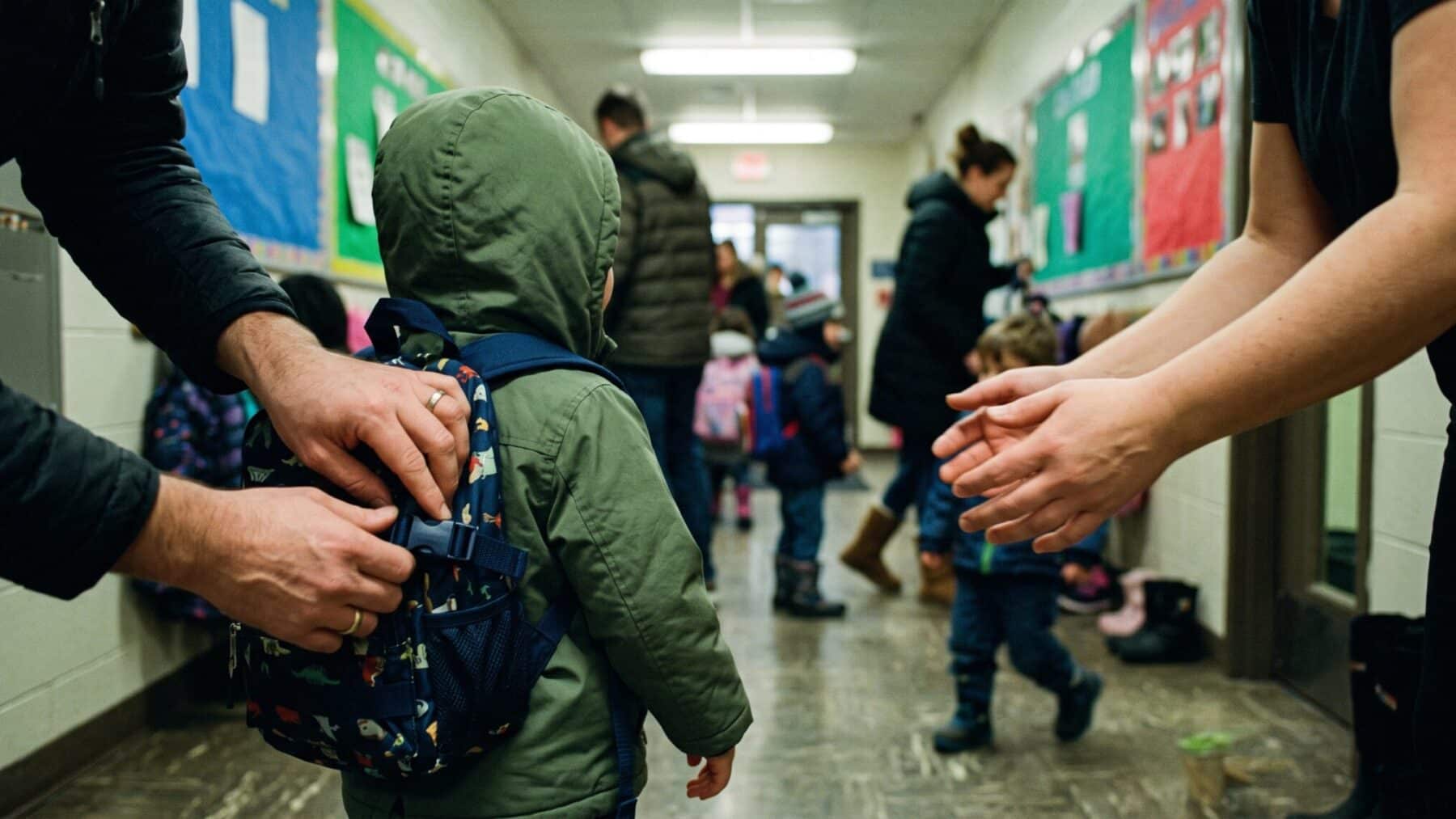
Nearly a quarter of all American adults are simultaneously raising children and supporting an aging parent, according to data from the Pew Research Center, and the strain falls hardest on people in their 40s.
Who is carrying the double load
A quarter of US adults are now part of the so-called “sandwich generation,” according to a Pew Research Center survey. These adults have a parent age 65 or older and have a child under 18, an adult child receiving financial support, or both.
More than half, 54%, of Americans in their 40s fit the “sandwich generation” definition, the highest share of any age group.
Overall, the share of US adults in the sandwich generation has grown only modestly in recent years. Across all age groups, 25% of US adults were in the sandwich generation, up slightly from 23% in 2021.
A larger share of people in their 50s are sandwiched now than in 2021, rising from 36% to 45%. This is partly because more adults in their 50s now have a living parent age 65 or older. As the US population ages and many young adults continue to rely on financial support well into their 20s, the window of dual caregiving obligation is widening at both ends.
Hours, hidden sacrifices, and career costs
A separate report adds weight to those numbers. The Care.com 2026 Sandwich Generation Report reveals that Americans are facing the demands of dual caregiving responsibilities earlier than expected, and this reality is reshaping nearly every major decision they are making, financial, professional and personal. The survey drew responses from 1,000 Americans currently living this reality.
Today’s sandwich generation began dual care responsibilities at around 34 years old on average, with those responsibilities already overlapping for 6.4 years. 80% say the onset of having both senior and child care responsibilities was sudden and took them by surprise, and 86% say that at first they were completely unprepared for the challenge. 69% said their dual responsibilities began earlier in life than they expected.
These caregivers spend an average of 24 hours a week arranging, managing, coordinating, and providing care. Of those surveyed, 66% have hidden the full extent of their care responsibilities from employers, and 56% worry their employer sees them as less committed.
Additionally, 55% have turned down a promotion, raise, or new opportunity because of care responsibilities, and 55% have considered leaving the workplace altogether.
That pattern echoes a broader trend already visible in the labor force: research on working parents in dual-income households consistently shows mothers absorbing a disproportionate share of the household coordination burden.
The gender and racial divide inside the sandwich
Among racial and ethnic groups, 31% of Asian adults and 30% of Hispanic adults are in the sandwich generation, compared with 23% of White adults and 21% of Black adults.
Adults with at least a bachelor’s degree (30%) are more likely to be sandwiched than those with some college or less (22%), and those with upper incomes (32%) are more likely than those with middle (26%) or lower incomes (20%).
When elder care costs enter the picture alongside child care, the squeeze intensifies, a reality that is reshaping how sandwich-generation families approach everything from career choices to household budgeting.
Growth despite the grind
A full 99% of those surveyed report at least one form of personal growth from caregiving, with stronger empathy, patience, and perspective topping the list. Yet 96% wish the American care system better supported sandwich families.
Nearly all sandwich caregivers say the experience has changed them for the better, but they need more support to keep going.
With 54% of Americans in their 40s in this position and the share among those in their 50s rising sharply since 2021, that call for support is coming from an increasingly large share of the workforce.
