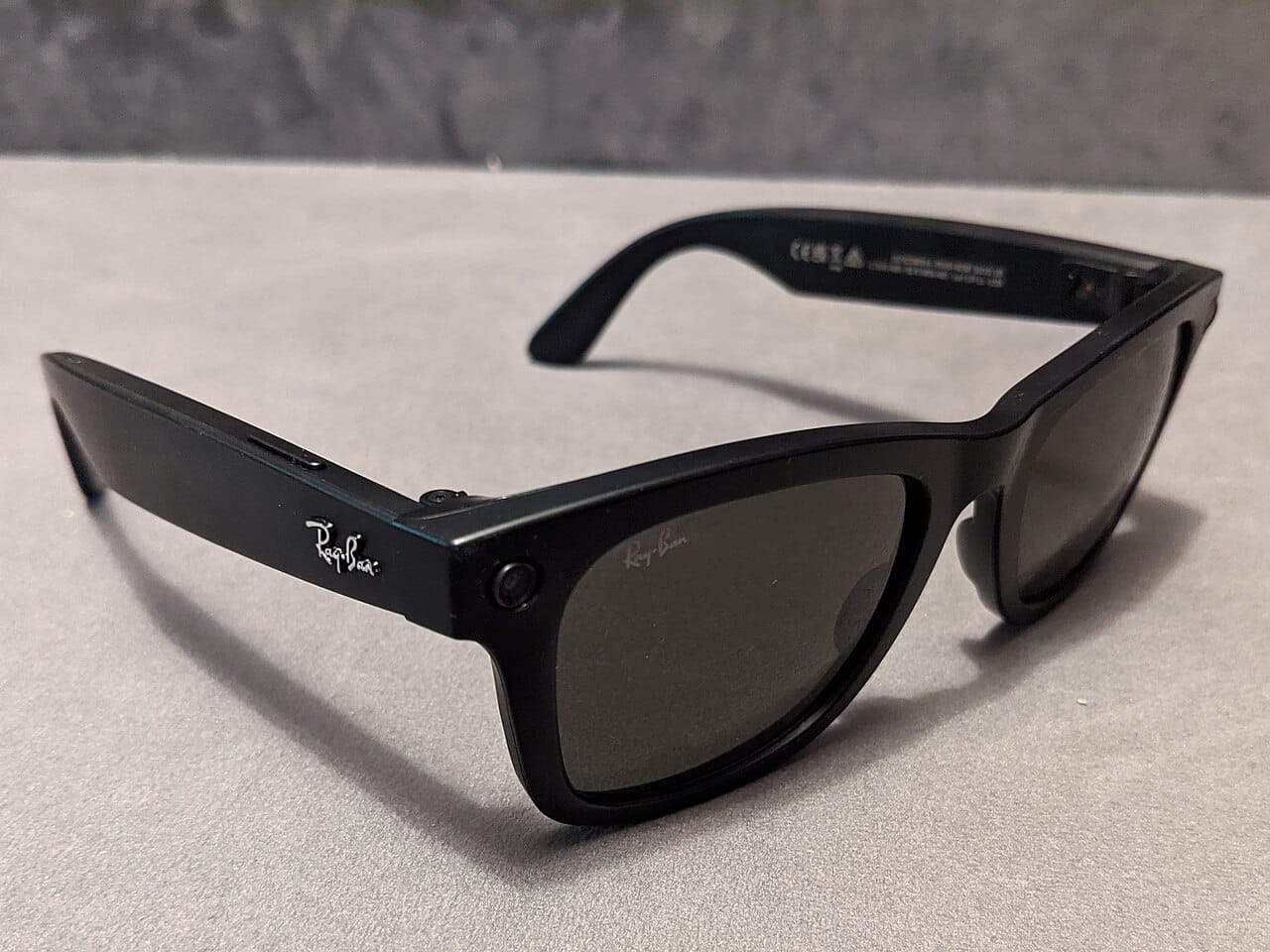
Meta has started taking pre-orders for its first camera-free smart glasses, Ray-Ban Meta Audio, with shipping set to begin October 13 at a starting price of $349.
The announcement, made at the company’s Connect 2026 developer conference on September 23, marks Meta’s attempt to offer an AI-powered wearable aimed at people who want hands-free audio and assistant features without a built-in camera.
What the glasses do
Ray-Ban Meta Audio drops the camera found on earlier Ray-Ban Meta models in favor of a lighter, audio-only design.
According to Meta’s announcement, audio has been the company’s most popular feature since day one.
Meta describes the line as “our first audio glasses, with powerful AI and open-ear audio built into every pair.”
Wearers can listen to music and podcasts, take phone calls, and talk to Meta’s AI assistant through the frames.
Meta says they weigh 43g and run for 12 hours on a single charge (48 hours in the case), and Meta says the new hardware features “professional-adjustable temple tips, adjustable or swappable nose pads, and overextension hinges.”
Styles, pricing and availability
The line comes in two new Ray-Ban shapes: Clubmaster, the retro browline silhouette, and Burbank, a plain rectangle. Meta counts 23 colour and lens combinations between them, and says both work with a wide range of optical prescriptions.
The 12 MP camera and 3K video Meta announced on the same day belong to Ray-Ban Meta (Gen 3), a separate model that starts at $449.
Pre-orders opened the day of the announcement, September 23, with shipping confirmed for October 13.
The release is part of what Meta calls an effort to offer more than 100 glasses options across Ray-Ban, Oakley, and Meta Glasses by the end of the year.
A response to camera privacy concerns
The camera-free design arrives amid ongoing public debate over Meta’s earlier camera-equipped smart glasses, which have drawn criticism from some privacy advocates concerned about covert recording in public.
By removing the camera entirely, Meta is betting that a segment of buyers, including people who work in settings where cameras are restricted, will choose an assistant-and-audio device over one with recording capability.
The move comes as rival hardware makers race into the same space. Samsung’s Intelligent Eyewear will launch in November in partnership with Gentle Monster, Google, and Warby Parker, featuring an onboard camera, microphones, and loudspeakers, and running Google’s Android XR operating system. The launch enters a wearable AI market where Meta has built an early lead.
Apple wants its first smart glasses out in some form by the end of 2027, with that first pair reported to carry audio, a camera and smart features but no display, according to Bloomberg’s Mark Gurman.
Why it matters for wearables
The audio-only launch reflects a broader industry shift toward treating glasses as a general computing platform rather than a single-purpose camera device, a trend that mirrors how AI companies are racing to put more capable models into smaller, cheaper hardware.
The approach echoes how AI coding and chat tools have been engineered to run efficiently at scale, a dynamic GCN has covered in how a chatbot’s reply stays fast and affordable by tapping only a fraction of its full parameter count per word.
Meta’s hardware expansion also arrives amid heightened scrutiny of how consumer devices handle data and security, concerns that have intensified following incidents such as the record-breaking data flood that hit Cloudflare’s network earlier this year.
As smart glasses add microphones, AI assistants and cloud connectivity, device makers face growing pressure to secure that data even as they chase new wearable categories.
