A shopper leans over a dealership counter, watching a single sheet of paper slide across the glass toward her.
The report lists the car’s owners, its mileage, its service stops.
Under accident history sits one reassuring word: none.
She signs the paperwork within the hour.
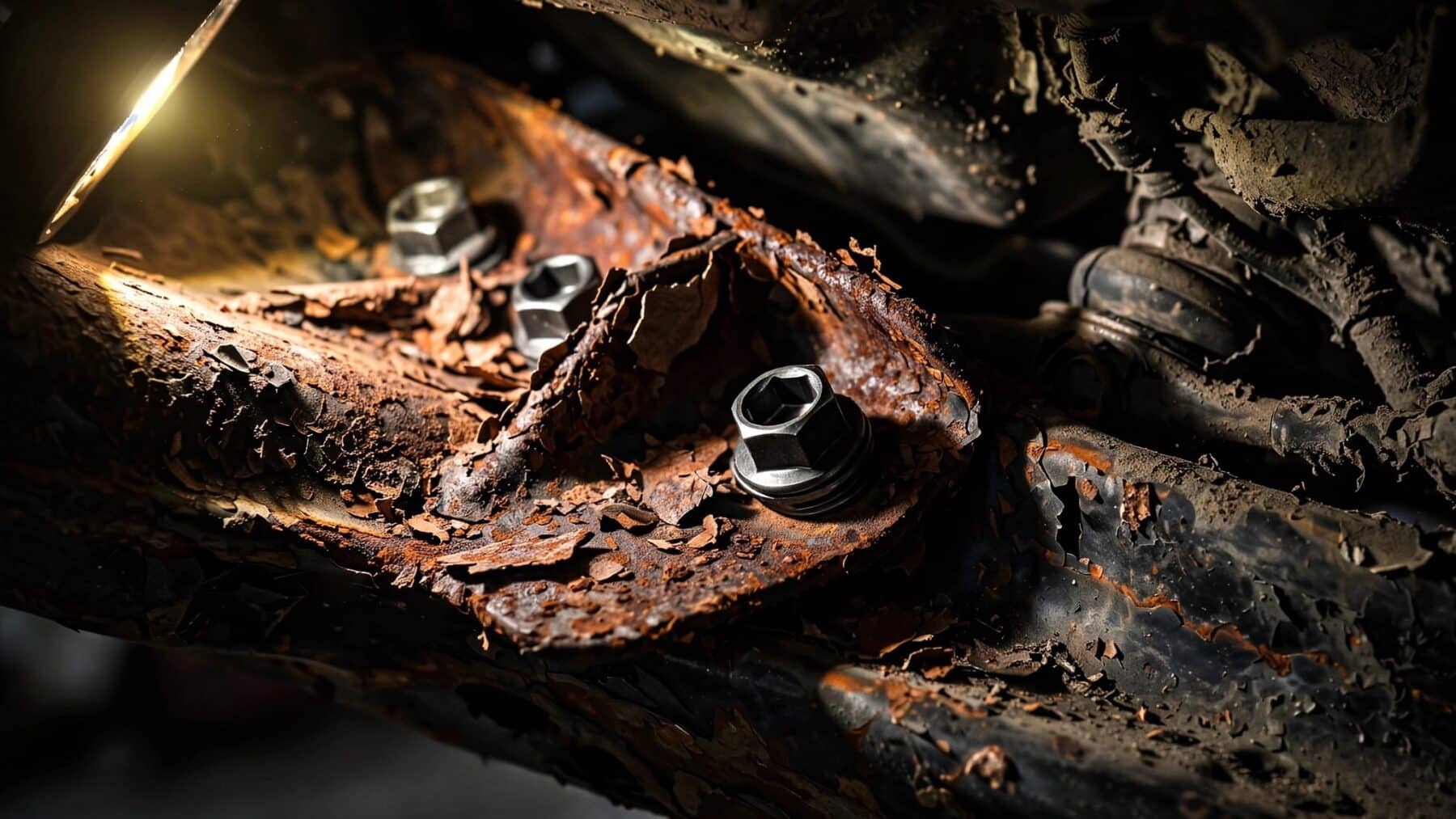
Months later, a mechanic lifts the hood and frowns at a weld that should not be there.
So how does a report built from over a hundred thousand sources still miss a crash that actually happened?
Why a clean report can still hide a real crash
The mechanism is simpler than most buyers assume. A vehicle history report does not inspect the car itself; it only repeats what other organizations chose to type into a database. Carfax relies on external sources for vehicle history, and because of this reliance, only a small percentage of accidents and repairs are reported. If nobody filed the paperwork, the software has nothing to display, and a damaged car reads exactly like an undamaged one.
That gap opens widest around money. If a car is in a minor accident and taken to a repair shop without involving law enforcement, it may never get reported. When an owner pays a body shop out of pocket instead of filing an insurance claim, no claim means nothing flows to the data partners that feed the report. The crash is real. The record is not.
Independent shops widen the hole further. Service records typically appear from only a fraction of repair shops, mainly participating dealerships and national chains, meaning DIY maintenance and work done by many independent mechanics may never surface, which means the corner garage down the street may never transmit a thing.
The pattern every used-car shopper recognizes
Picture the exact moment this fails a buyer. Owners describe trading in a vehicle years after a minor, properly repaired fender bender, only to watch a dealer pull up a report flagging an accident or even structural damage that cuts thousands off the offer, with no way to tell from the paperwork alone how minor the original repair really was.
That is not an isolated glitch.
Owner forums and consumer complaint sites describe a recurring version of the same problem: hail damage, a parking lot scuff or a cosmetic repair gets logged into the system as a flagged accident or even a reported total loss, and the owner only discovers the mismatch at trade-in time, long after the repair was already made. That is exactly why mismatches are possible in both directions, a real crash left off the report, or a minor repair logged as something worse.
Complaints follow a similar shape elsewhere. Several owners have reported disputing a damage or total-loss entry only after a trade-in offer collapsed, submitting repair invoices and insurance letters before the record was revised. Cases like that trace back to a repair record that reached the company’s pipeline in an unexpected way, or not at all.
What the company itself admits about its own limits
This is where the fine print matters more than the glossy summary page. Carfax states plainly in its own support documentation that its products are based only on information supplied to the company, and that it does not have the complete history of every vehicle.
The scale of the network is genuinely large. Carfax claims to have access to over 35 billion records from more than 151,000 sources, including motor vehicle departments for the 50 U.S. states and the 10 Canadian provinces. That breadth is exactly why buyers trust the single-page summary so completely.
Yet size does not equal completeness. The company itself recommends using the search as one important tool, alongside a vehicle inspection and test drive, to make a better decision about a next used car. Cash repairs, DIY work, small shop invoices and incomplete VINs are among the biggest blind spots that let a car look cleaner than it really is.
Where this still breaks down for everyday shoppers
None of this means the report is worthless. It genuinely catches total losses, branded titles and most insurance-involved wrecks, the categories that matter most for resale value and safety.
The complication is narrower and sharper: it is the quiet, self-paid, small-shop repair that slips through more often than not, the exact kind of hidden structural flaw that surfaces later under a trained mechanic’s eye rather than a database query.
So the company only knows what its sources tell it, and many accidents and damage reports have never been reported, or were reported to agencies the company does not have agreements with, such as a minor accident taken to a repair shop without involving law enforcement. That gap is a structural feature of how the reporting chain works, not a rare glitch.
What buyers can actually do with this information
The honest takeaway is not to distrust every clean report outright. It is to treat the document as one data point among several, the same instinct that should guide anyone eyeing returning lease vehicles now flooding dealer lots at discounted prices.
A clean sheet of paper narrows the odds of trouble. It does not eliminate them.
A short, independent inspection before signing remains the cheapest insurance available. Mechanics can spot mismatched panel gaps, fresh undercoating or an odd weld seam in under an hour, often for less than a single month of car payments, and buyers who pair that inspection with a report close most of the gap that has quietly cost other shoppers thousands after the fact.
