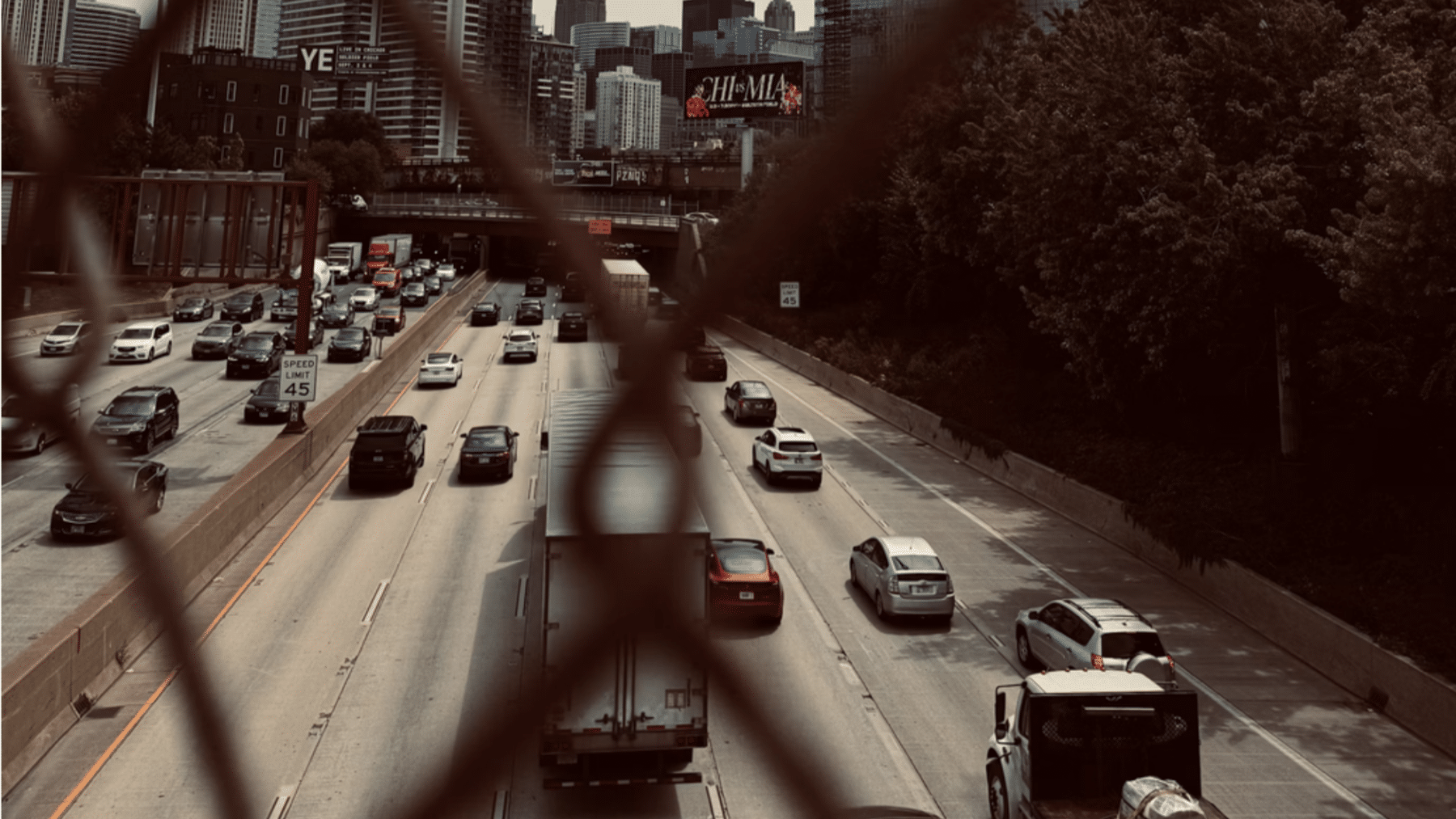
A new national survey finds that most Americans, whether they drive, ride transit or have no reliable way to get around at all, are unhappy with their daily commute options and want more choices beyond the car.
The research, published this week by the Climate and Community Institute, a progressive climate and economy think tank, challenges the long-held assumption that driving equals freedom for most US residents.
The study’s co-author, transportation policy manager Emmett Hopkins, said the findings cut across the usual divide between drivers and non-drivers. “Whether you get around mostly by car or you don’t drive at all, most people in the U.S. are united by feeling unhappy with their daily transportation options,” said Emmett Hopkins, the transportation policy manager at the Institute and co-author of the study.
A hidden population without cars
The research highlights a group that often goes unnoticed in transportation planning. Nondrivers make up more than a third of the population and often lack reliable ways to get to work, the grocery store, and the doctor.
For the one in three US residents who can’t drive or lack reliable access to a car, auto-centric cities are a difficult fact of life, and they need more motorists to join them in the fight for more and better travel options.
A stunning 73 percent of self-identified drivers said they “have no choice but to drive as much as they do,” with another 53 percent reporting that they “would like to have more transportation options” beyond getting behind the wheel.
The survey’s authors noted that this figure may understate the true level of frustration, since CCI conducted the poll before the war in Iran sent gas prices soaring, and because many Americans simply cannot imagine a future where their own cities make driving optional and offer attractive alternatives.
Policymakers lagging behind public opinion
Despite the shared frustration found across driver and non-driver households, the study’s authors argue that elected officials have not caught up with how residents actually feel.
According to Streetsblog USA’s coverage of the report, most US policymakers haven’t exactly gotten the memo about how many of their constituents feel trapped by car dependency, never mind how many of them long to escape it.
The findings arrive as cities continue to grapple with how to redesign neighborhoods built primarily for vehicles. Separate research from Pew Research Center has previously shown how deeply car dependent American cities remain.
Where people live plays a role in whether people drive, with about two-in-ten adults living in urban areas saying they seldom or never drive, about double the share of those who say this in other community types.
That same Pew analysis found steep local variation. According to a review of the underlying Census data, in New York City just a quarter of workers drove to their jobs in 2023, while residents were much more likely to take some form of public transit to work.
Car ownership and household budgets
The new commuting research lands alongside other recent data pointing to how central vehicles remain to American households even as satisfaction with transportation options slips.
Housing and spending patterns have shifted in other ways too, as seen in recent Zillow data, a reminder that Americans are rethinking long-standing habits around where they live and how they spend their time.
For many households, questions about daily mobility increasingly intersect with how family routines and spending priorities are organized, a shift also visible in recent consumer spending research.
What the findings suggest for cities
The Climate and Community Institute’s researchers frame the results as evidence that the debate over car dependency is not simply drivers versus transit riders.
Instead, the report suggests a broader coalition exists, united by frustration with having too few practical ways to get around. Hopkins said that much of US transportation policy is the product of “profit-seeking forces” that have successfully influenced lawmakers to privilege automotive interests over the needs of everyday people, and that it will take organizing among those people to change the tide.
The full report and methodology are available through Streetsblog USA’s coverage, which details how the institute gathered perspectives from both drivers and non-drivers across multiple US regions.
