Samsung Electronics has reportedly begun moving engineers out of its automotive chip division and into artificial intelligence processor development, according to industry reporting this week.
The shift raises fresh questions about the future of the company’s Exynos Auto chip lineup, which has been used in vehicles from Hyundai Motor.
What is being reported
S&P Global’s Automotive Technology Insight, citing industry reports, said 100 to 150 chip designers have moved from automotive semiconductor work to AI processor development in recent days.
The move has not been confirmed directly by Samsung in any public disclosure. Reports that Samsung is exiting the Exynos Auto chip business surfaced in Korean industry media, detailing a plan under which Samsung’s System LSI division would wind down its Exynos Auto application processor line used for infotainment, displays and camera-related features in vehicles from Hyundai and other automakers.
Samsung has not confirmed an exit, and the reporting reviewed contains no statement from Hyundai or BMW confirming the reported arrangement. Samsung has previously announced a confirmed partnership with Hyundai Motor, which selected the Exynos Auto V920 processor for its next-generation in-vehicle infotainment systems, according to a June 2023 Samsung press release. Reports describing BMW as a customer tied to the wind-down plan remain unconfirmed by either company.
The gap between the detailed reported plan and the limited outside confirmation leaves significant uncertainty around what exactly Samsung intends for its automotive chip unit going forward.
Why automotive chips matter to Samsung
Samsung’s Exynos Auto processors power infotainment systems, driver displays and other in-vehicle electronics in select production vehicles.
The chips represent a smaller, lower-margin business line compared with Samsung’s core memory and mobile processor divisions, and automotive-grade chips typically require years of qualification testing before automakers will commit to using them at scale.
That qualification burden is one reason any shift of engineering talent away from automotive work could ripple through supplier relationships slowly rather than suddenly.
Automakers generally lock in chip suppliers years before a vehicle goes into production, meaning any Samsung pullback would likely show up first in canceled or unrenewed design contracts rather than an immediate halt to parts already embedded in vehicles on the road.
Part of a wider industry pull toward AI silicon
The reported move comes as demand for AI accelerator chips has drawn engineering talent and capital away from other semiconductor segments across the industry, including automotive-grade parts that are technologically simpler but still essential to vehicle electronics.
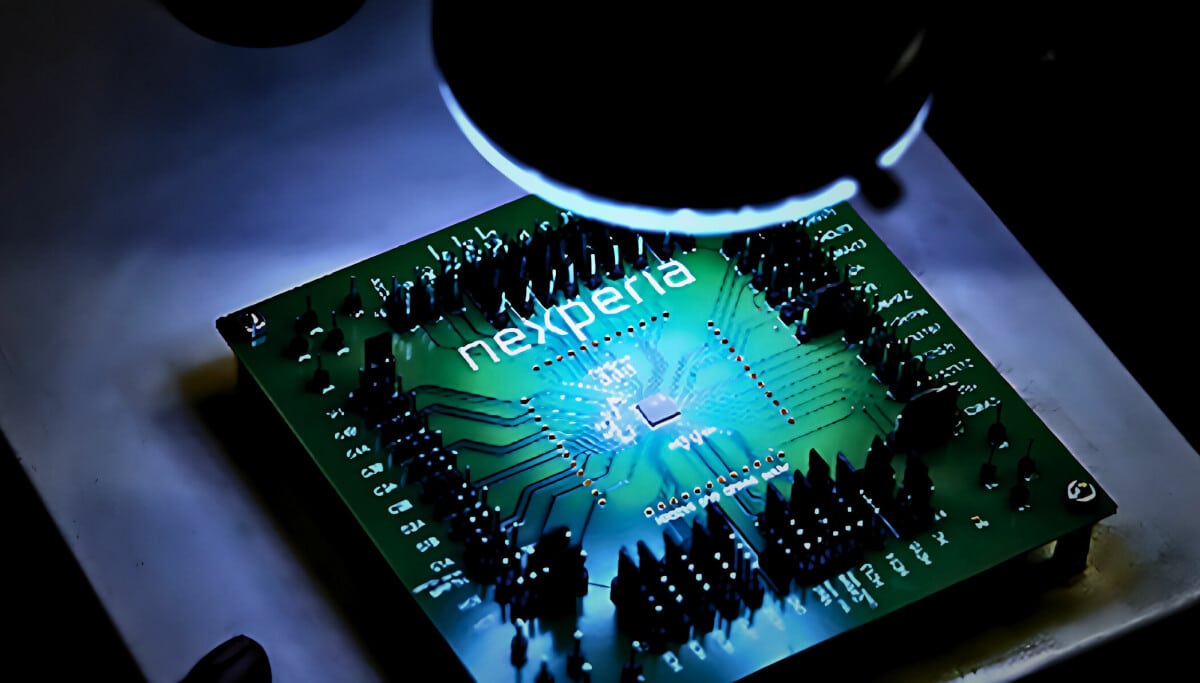
That broader tension between AI chip demand and the auto industry’s component needs has already strained global supply chains, as a dispute involving Dutch chipmaker Nexperia disrupted shipments of basic automotive semiconductors this year. Automakers widely utilize Nexperia’s chips in systems such as locks, climate control, and speedometers, making them difficult to quickly replace.
Automakers have also faced unrelated chip-related supply pressure this year as automakers compete with AI data centers for the same manufacturing capacity and materials, according to a study from Europe’s auto industry association. Separately, a small group of manufacturers including Micron, Samsung and SK Hynix account for the large majority of global automotive DRAM production, and when these suppliers prioritize AI-related demand, automotive customers have limited alternatives.
That dynamic has made automakers more cautious about depending on any single supplier for critical, if technologically basic, automotive-grade chips.
What remains unconfirmed
Samsung has not issued a public statement confirming an exit from automotive chip design, and S&P Global reports, citing reports, that 100 to 150 designers have shifted from automotive chip work to AI processor development, without confirming a formal exit decision, a timeline, or which customers would be affected.
Vehicles already built with Exynos Auto hardware are not affected by the reported staffing changes, since those chips are already integrated into production vehicles and supported under existing supplier agreements.
The uncertainty mirrors a familiar pattern in the chip supply chain, where buyers such as automakers rely heavily on vetted parts, similar to how shoppers now expect a clean vehicle history report, only to discover gaps in what the paperwork actually guarantees.
Automakers and industry analysts are expected to watch for any formal confirmation from Samsung in the coming weeks, particularly from automotive customers who depend on long production cycles and advance notice before switching chip suppliers.
