Consumers Energy has asked Michigan regulators for permission to collect an additional $456 million a year from electric customers, a request now under formal review by the Michigan Public Service Commission in Case No. U-22070.
The filing, submitted June 2, 2026, marks the sixth consecutive year the utility has sought an electric rate increase, according to Consumer Reports.
What the utility is asking for
Consumers Energy is looking to raise electric rates by about $456 million, submitting the request to the Michigan Public Service Commission, which must approve any rate hikes before they can take effect. If approved, Consumers says the typical home with a monthly electric bill of $155 would see a $13 increase each month, starting in May 2027, an increase of about 9%.
The utility has described the filing as its 2027 Reliability Action Plan, which it has called “a blueprint for upgrades that will lead to fewer and shorter power outages,” according to WZZM. The request follows a prior electric case in which regulators approved a smaller increase of $276.6 million, with rates that took effect May 1, 2026, after the Michigan Public Service Commission approved a rate increase significantly less than the $423 million the utility had originally requested, according to state regulators cited by WKAR. Michigan’s Attorney General’s office has separately said the utility’s original ask in that earlier case was $436 million and that Consumers Energy initially sought a $436 million annual rate hike, which would have increased bills by 13%, before state regulators approved the smaller $276.6 million increase after hearing testimony from both sides.
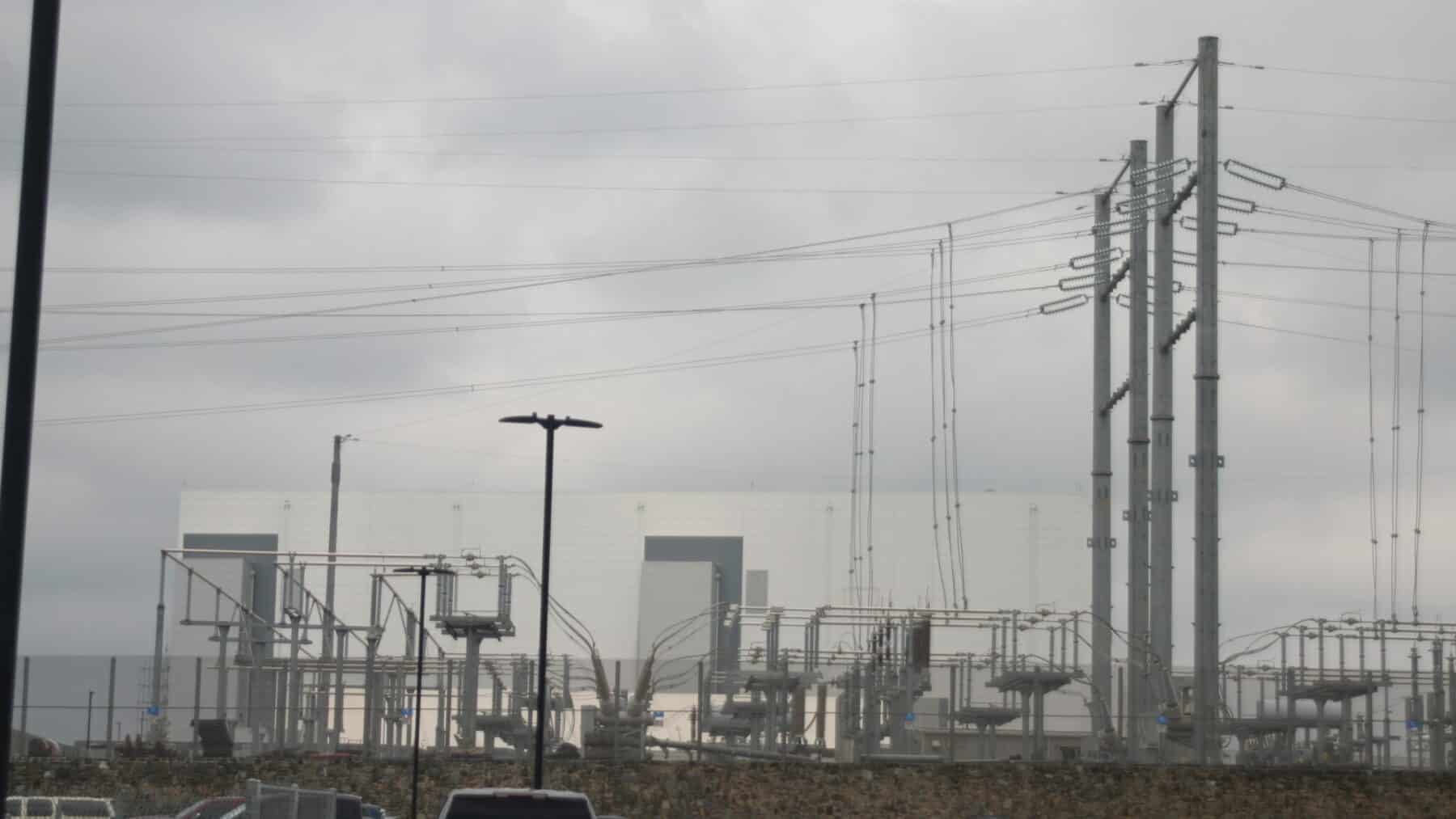
A central driver behind the new filing is continued spending on distribution infrastructure such as poles, wires and substations, as well as an additional 12-month surcharge of $25 million, an additional $52 million over three years for storm restoration expenses, and the continuation and expansion of the Investment Recovery Mechanism approved in its last rate case , according to the Michigan Attorney General’s office.
The company is also seeking a higher authorized return on equity. Consumers Energy is also seeking to increase its profit margin on capital investments to 10.25%, which would make it the highest return on equity in the state and likely one of the highest in the nation. DTE is separately asking the MPSC to authorize the same 10.25 percent return on equity, up from the current 9.9 percent , according to Consumer Reports.
Watchdogs push back
Consumer advocacy groups have moved quickly to oppose the size of the request. DTE is seeking an additional $474 million in annual revenue from customers, while Consumers Energy is requesting $456 million more. Both proposals would increase residential electric rates by more than 9 percent, adding an estimated $155 to $180 per year to a typical customer’s bill.
Consumers Energy has sought an electric rate increase every year for the past six years, while DTE has filed five rate cases in the past seven years , Consumer Reports found. The group is urging Michigan residents to submit comments to the commission opposing both utilities’ filings.
The pushback follows a separate dispute over the company’s natural gas rates, which was resolved in September 2025. In that gas case, the commission approved an additional $157.5 million in revenue for the company, a hike that was 37% lower than Consumers Energy’s original request for a $248 million rate hike.
In the utility’s prior electric case, Nessel intervened in the case, arguing the MPSC should limit the increase to just 3.5%, a nearly 65% cut to the company’s request ; the MPSC ultimately landed $160 million below what Consumers Energy originally requested . In the current $456 million case, Nessel has filed testimony asking state regulators to reject more than half of the proposed $456 million annual electric rate increase, which would increase residential electric rates by 9.8% . Consumers Energy is also seeking to raise its return on equity to 10.25%, the highest profit margin on capital investments in the state, and Nessel recommended capping that return at 9.20% and encouraged the commission to consider utility affordability amid rising residential disconnections.
AI data centers enter the fight
The new electric case has drawn attention beyond the usual residential bill debate because of how costs tied to large commercial customers will be allocated. This year, the Michigan Public Service Commission is also weighing separate proceedings over how DTE Electric and Consumers Energy will supply power to energy-intensive data centers while continuing to meet the state’s renewable energy requirements.
Those related proceedings are expected to help determine how the utilities allocate costs tied to data centers and comply with Michigan’s renewable energy standards under Public Act 235. Several environmental and consumer groups, including Consumer Reports, have separately pressed regulators to require that large new electricity users, including data centers, bear the cost of the infrastructure needed to serve them, according to Consumer Reports’ advocacy materials.
What happens next
The MPSC has until April 2027 to approve the request, meaning no immediate changes will be coming to customers’ electric bills.
The commission will weigh testimony from the company, commission staff, the attorney general’s office and intervenors before issuing a final order.
The Michigan case echoes similar fights playing out elsewhere this fall, including disputes over proposed discounts and surcharges in rate filings covered in GCN’s reporting on a Virginia rate filing and a separate case involving a Maryland utility’s proposed rate hike.
As utilities nationwide ramp up grid spending to handle growing demand from data centers and electrification, state commissions are increasingly becoming the battleground over who pays.
