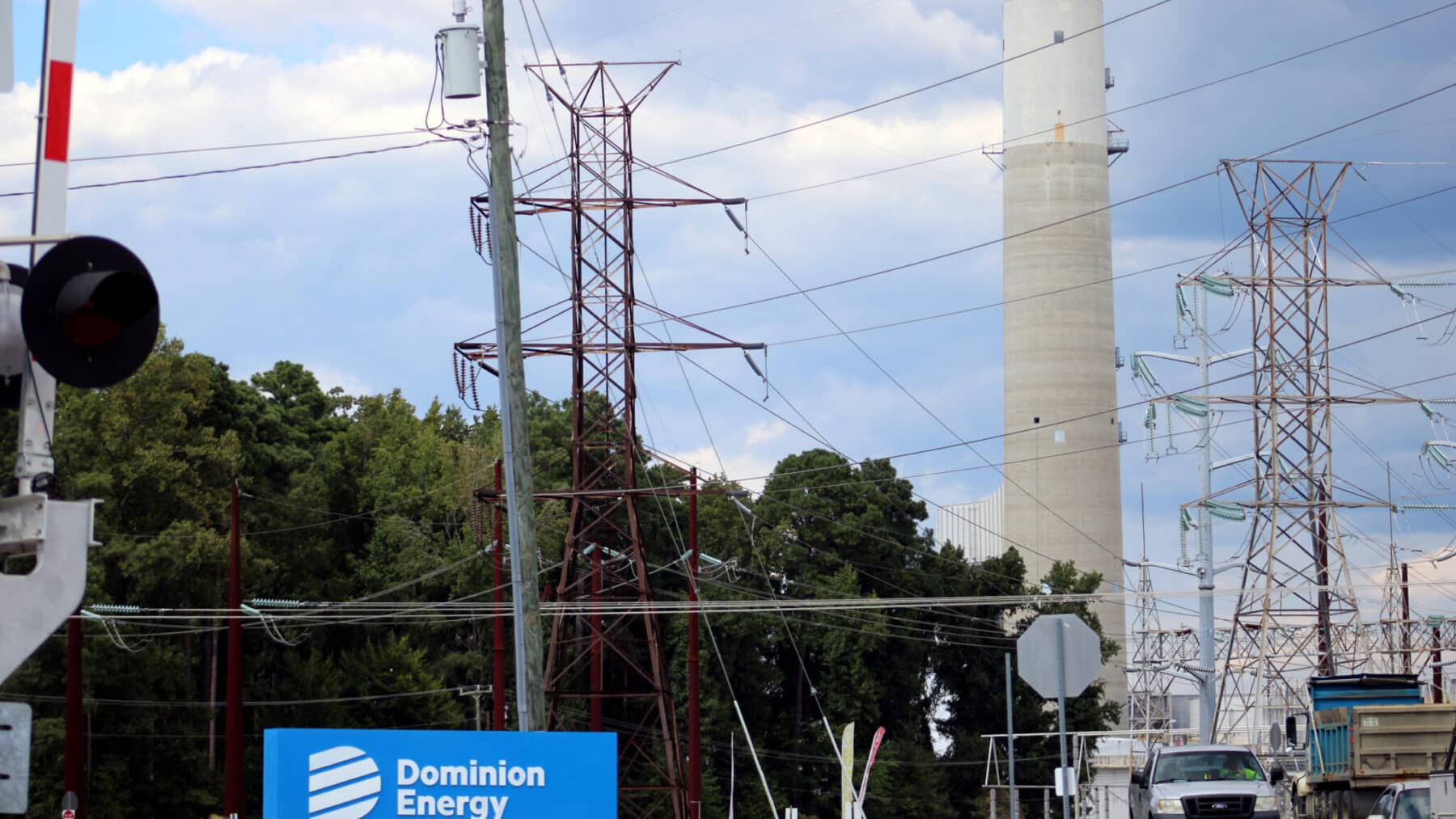
A single line on a Virginia power bill, the one marked fuel, usually changes by pocket change from month to month.
This year it did not.
State regulators just approved a plan to spread an enormous shortfall across years of future charges instead of collecting it all at once.
The gap did not come from a storm or an outage.
It came from how much gas and purchased power actually cost compared with what the utility guessed it would cost.
So how does a forecast miss by that much?
How a fuel forecast misses by nearly a billion dollars
Utilities do not profit from the fuel they burn or buy. The fuel factor portion of monthly bills is a pass-through cost, meaning Dominion does not make a profit off the fuel expenses and can pass up to 100 percent of the cost to customers, with no markup built in. Each year the company estimates what that fuel will cost and bakes that estimate into monthly bills.
The trouble starts when the estimate and reality drift apart. Commodity markets do not hold still, and extreme winter demand can send purchased power prices spiking for days at a time. Dominion attributes a large part of its higher fuel costs to this past January, when Arctic air swept through Virginia, plunging temperatures below freezing for days and coating much of the commonwealth with a hard shell of snow, sleet and ice.
As the atypically long stretch of deep cold wore on, Dominion had to buy more fuel and more wholesale power to supply to customers keeping their homes and businesses warm. That shortfall does not vanish. It becomes a deferred balance, tracked on the books like a running tab, waiting for regulators to decide how and when customers will pay it back.
And once that balance reaches a certain size, paying it off in a single year becomes its own kind of shock, which is exactly what pushed this case toward a longer repayment plan instead of the usual twelve months.
What the bill actually looked like before the fix
Picture the normal path first. Under the standard rulebook, a utility folds its shortfall into the next year’s fuel factor, and customers absorb it inside twelve months. For an ordinary sized miss, nobody notices much beyond a slightly higher line item.
This miss was not ordinary. SCC staff reported that Dominion’s actual fuel and purchased power expenses rose dramatically from approximately $1.7 billion in 2020 to $4.4 billion in 2025, an increase of $2.7 billion, or 152 percent, over a five year period.
Regulators noted that recovering those extra costs over the course of a typical year would add an estimated $21 a month on the average residential customer bill, landing all at once on top of whatever customers were already paying for electricity and heat that month.
So Dominion asked for a different road instead. Rather than recovering the full amount in one year, Dominion proposed securitizing those costs over a seven to 10 year period, turning the unrecovered costs into bonds sold to investors. That smoother path is why a figure near nine hundred million kept surfacing in filings all year, since it marks the size of the gap the bonds are built to cover.
The hardest numbers, straight from the regulatory filing
Dominion filed its request with the State Corporation Commission in August, citing extreme power demands during severe winter weather and a national rise in gas prices as reasons for the escalation beyond its original calculations. That filing, and the hearing that followed, gave outside analysts their first full look at the size of the miss.
Regulators approved both pieces of the request last month. The commission approved Dominion Energy’s fuel factor rate to recover $2.691 billion in projected fuel costs from the 2026 and 2027 rate years, and about $65.8 million in underrecovered costs from the 2024 to 2025 rate year, alongside the securitization itself.
Separately, the plan will allow Dominion to securitize $922.1 million in fuel costs that the utility did not recover through its regular billing process from June 2025 to July 2026. But rather than the ten year span Dominion had floated, the SCC allowed Dominion to spread repayment over seven years, avoiding a $21.79 increase in a typical residential monthly bill and instead resulting in a $7.97 fuel increase plus a $2.26 securitization charge.
What makes this case notable is that it is not a one time event. In three of the past five years, Dominion has underestimated its fuel costs by $1 billion or more, and in 2023 it also asked the commission to securitize about $1 billion in fuel costs, a bond portfolio the company already carries alongside this new one.
Where the arrangement draws pushback
Not everyone welcomed the fix. Consumer advocates argue that spreading the cost over several years means customers end up paying interest on a bill they would not have faced at all if the original forecast had been closer to reality.
That turns a one year miss into a long term finance charge. Lawmaker Irene Shin, D-Fairfax, testified in the case and highlighted her recently passed legislation directing the SCC to consider whether fuel purchasing practices by Dominion and other Virginia utilities are being managed efficiently.
Research groups tracking the pattern put it more bluntly still. An energy finance analysis found this is the second time since 2023 that the SCC has allowed Dominion to securitize a large under recovery deferral balance tied to volatile natural gas prices.
Even supporters of securitization concede the trade off is real. Spreading out fuel payments lowers their immediate impact on bills, but it also winds up costing more as interest adds up over time. Anyone who moves before the bonds mature still effectively pays toward a debt tied to a meter they no longer own, since the charge is collected through a non bypassable line on Virginia customers’ bills for the next seven years.
What this means for a bill in your mailbox
None of this is unique to Virginia. Utilities across the country manage similar swings between forecast and actual fuel costs, and regulators in other states have faced comparable deferred balance questions in recent years.
That broader pattern connects to how utilities are rethinking customer costs generally, from flexible pricing for electric vehicle charging, like the shift seen in Con Edison’s load shifting program, to automated software replacing flat rate incentives in a Washington state charging trial.
The common thread is the same one driving this fuel case. When costs swing hard, utilities and regulators increasingly reach for smoothing tools rather than passing the full swing straight through to a single bill cycle.
For Virginia customers, the immediate effect is a modest new charge on upcoming bills, shown as its own line and repaid on a fixed schedule over roughly seven years. The bigger question, still unresolved, is whether better forecasting could keep the next gap from reaching nine figures at all.
