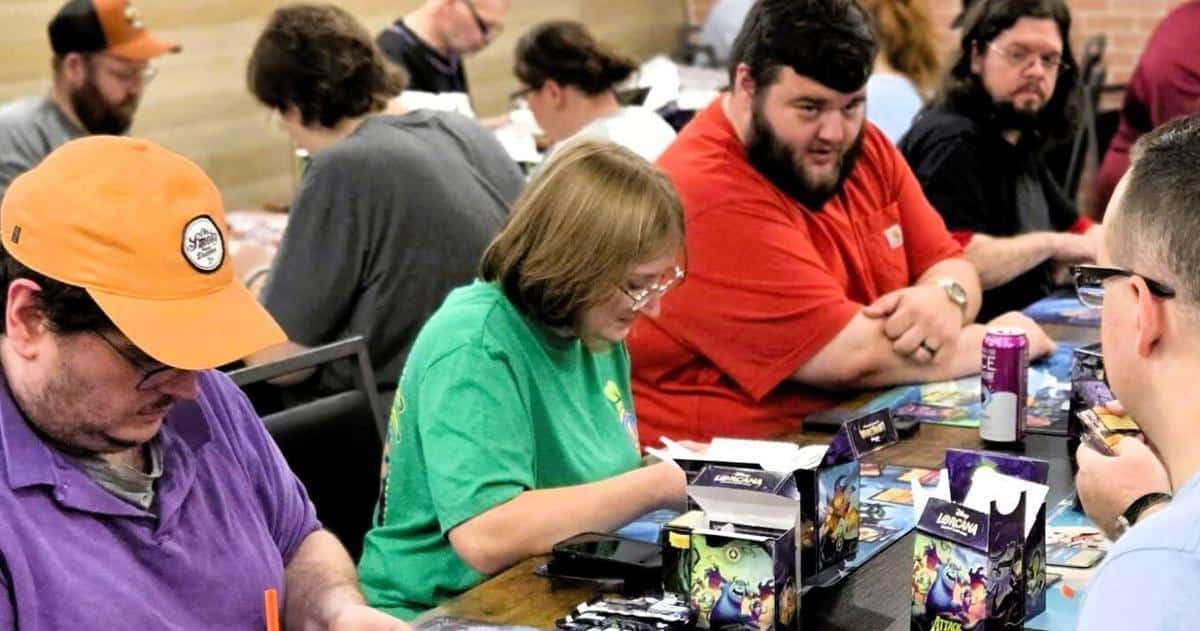
Roughly a quarter of American adults have a friend they first met online, and most of those digital-first relationships eventually move into the physical world, according to a Pew Research Center analysis published this week.
The findings, drawn from a survey the Center conducted in late May and early June 2026, show that hobby-focused communities are a key route through which strangers become real-life friends.
What the survey found
Roughly a quarter of Americans have friends they met online, and most have met those friends in person , Pew reported in its November 17 short read.
The analysis is part of the Pew-Knight Initiative, and explores how many Americans have friends they met online and whether those relationships have become in-person connections, too.
The report builds on a broader Pew study released in October that mapped how Americans organize their social lives around online communities.
That research found hobby and interest groups are a small but meaningful slice of the online community landscape. About 5% are part of one on sites or apps for people who share a hobby, like Goodreads for reading, Strava for running, Ravelry for knitting or Letterboxd for movies.
Hobby groups as a gateway to in-person ties
While hobby-specific platforms draw a smaller share of users than general social media, researchers note these spaces often function differently.
Niche communities built around a shared pastime tend to bring together people who already have something concrete in common before they ever meet, a dynamic distinct from the broader social networks most Americans use daily.
That distinction matters because, according to Pew, among those who have friends they first met online, the vast majority (85%) say they’ve met at least one of them in person.
The pattern echoes other recent GCN reporting on how digital habits shape everyday social behavior, including how a third of adults have quit an online community altogether, often after the group stopped matching their interests or felt actively unpleasant.
Younger and LGBTQ adults lead the shift
Pew’s new short read is titled “Younger and LGBTQ Adults in the U.S. Stand Out for Finding Friendship Online,” signaling that the trend is not evenly distributed across the population.
Young adults are more likely than older Americans to find friendship online , and today, 43% of adults under age 30 say they first met at least one of their friends online.
LGBTQ adults stand out for having friends they met online, too: 45% of adults who are lesbian, gay, bisexual, transgender or queer say they met at least one of their friends this way, compared with 22% of those who are not LGBTQ, Pew found.
The findings sit alongside a growing body of Pew research on how digitally mediated relationships are reshaping everyday social habits.
A separate short read published the same day the main survey report went live looks at a thumbs-up emoji reply, underscoring how much of modern friendship maintenance now happens through small, text-based signals rather than face-to-face contact.
Why the data matters
The report arrives as researchers continue to debate whether digital tools are eroding or simply reshaping how Americans build social bonds.
Pew’s broader October survey found that roughly half of Americans say relationships formed online are not as meaningful as those formed in person, while about a third say the two can be equally meaningful, but those who have found friendship on the internet describe a different experience.
They give people with shared pastimes, from running and reading to crafting and film, a starting point that frequently turns into an offline relationship.
Pew based its findings on a survey of 9,750 U.S. adults from May 26 to June 1, 2026.
The Center has not yet announced whether it will track the trend in future survey waves, but the data mark one of the first detailed looks at how specifically hobby-based, rather than general social media, communities translate into lasting friendships.
